REVIEW · GDANSK
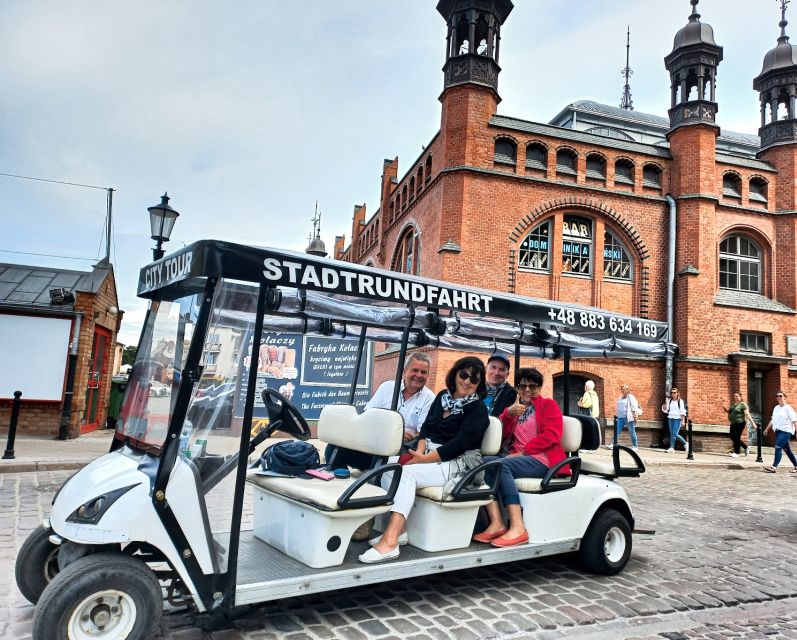
Gdansk: City Tour Live Guided by Golf Cart/Buggy Sightseeing
Book on GetYourGuide →Operated by Top City Tour Gdańsk · Bookable on GetYourGuide
A golf cart tour turns Gdańsk from a map into a story you can feel. This live, guided ride connects the city’s big sights fast, with stops timed so you can actually absorb what you’re seeing instead of sprinting between monuments. I especially love the live guide angle, because you can ask questions and steer the conversation.
My favorite part is the mix: the red-brick grandeur of St. Mary’s Basilica sits right alongside the places tied to 20th-century change. I also like the efficient route—this is one of those tours that helps you get your bearings early, then makes your later self-guided wandering much smarter.
One thing to consider: weather can be brutal. The tour runs rain or shine, and on colder days you’ll want to dress warm; a couple of past guests noted an issue with buggy heating on at least one trip.
In This Review
- Quick Hits Before You Go
- Why This Gdańsk Golf Cart Tour Works So Well
- Meeting Point: Long Targ Right By Neptune
- How the Buggy Ride Feels: Fast, Focused, and Photo-Friendly
- Long Market (Długi Targ): Starting With the City’s Main Stage
- Golden Gate: Why One Passage Became a Signature
- St. Mary’s Basilica: The Red-Brick Giant You Can’t Miss
- Crane National Maritime Museum Area: Medieval Trade Power in One View
- Museum of Second World War: Modern History With Real Weight
- Gdańsk Shipyard: The Place Where Identity Became Action
- European Solidarity Centre: Where Political Change Starts
- St. Bridget’s Church: Another Faith Landmark, Another Layer
- Amber Museum: The Trade That Smells Like Business
- Gdańsk Carousel: A Break That Still Tells You Something
- Hala Targowa Kupców Dominikańskich: Market Life, Not Just Monuments
- Defenders of the Polish Post Office: Courage in a Specific Place
- Neptune’s Fountain: Finishing Where the City Pops
- Price vs. Value: What You’re Really Buying at $8
- Best Fit: Who Should Book This Tour
- Should You Book This Gdańsk Golf Cart Tour?
- FAQ
- How long is the Gdańsk city tour by golf cart or buggy?
- How much does it cost?
- Where do I meet, and is pickup available?
- What languages are offered for the live guide?
- Will the tour run in bad weather?
- Is the tour wheelchair accessible, and can I cancel if plans change?
Quick Hits Before You Go
- Live multilingual guidance: English plus other languages depending on availability
- A fast way to cover the core without the hassle of parking or big walking loops
- Big-ticket sights included on the route like the WWII museum area and the European Solidarity Centre
- Comfortable small-group format that still leaves room for photos and questions
- Rain or shine means you should plan on weather layers, not just sunshine
Why This Gdańsk Golf Cart Tour Works So Well
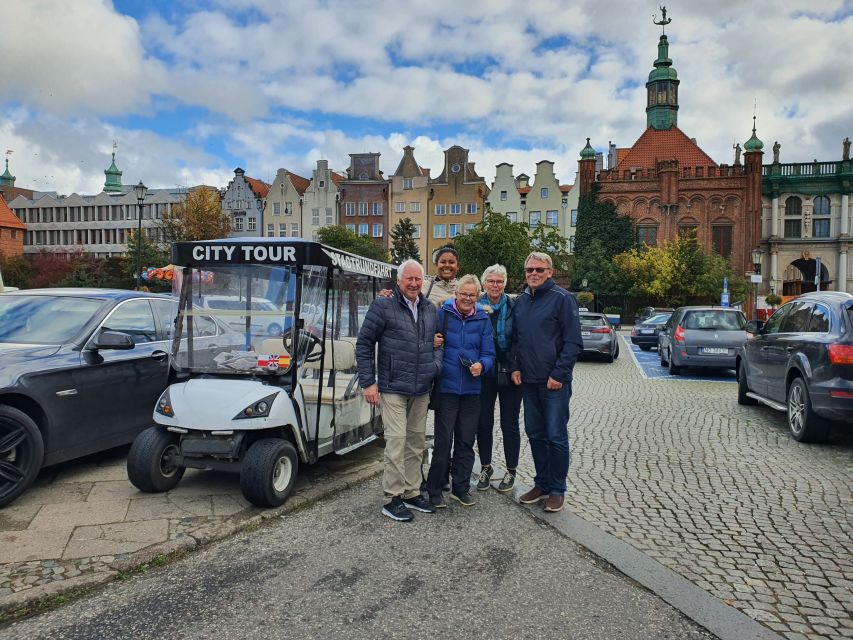
If Gdańsk feels like a lot at first glance, this is the antidote. You’re not just being dropped at landmarks and waved off. You’re moving through town at a comfortable pace, with a guide calling out what matters and why it mattered—then you get short photo-and-walk moments when it counts.
At $8 per person for a 1–2 hour live guided experience, the value is mostly in the time you save and the context you gain. A solo day of sightseeing can turn into “I saw it” instead of “I understood it.” This tour is designed to get you from first impressions to informed curiosity.
And the vibe is practical. This isn’t about fancy staging. It’s about showing you the city’s key layers—medieval trade power, shipyard identity, and the later political turning points—using the geography as your timeline.
Meeting Point: Long Targ Right By Neptune
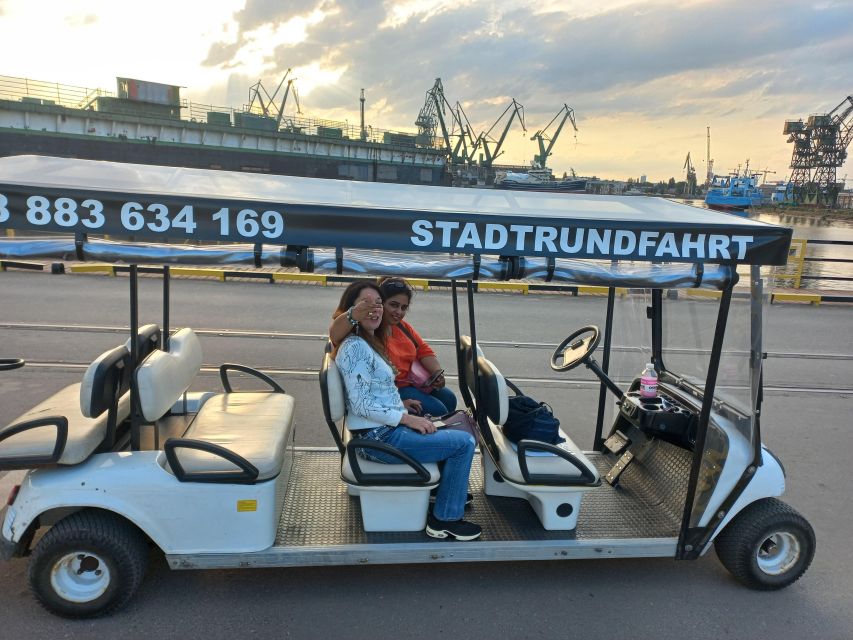
You’ll meet near the Gdańsk Neptune’s Fountain on Long Market (Długi Targ), with the reference point of the Red Dog Saloon Bar. It’s a central anchor, which matters because Gdańsk’s old town is easiest when you start where people actually gather.
If you choose pickup, it’s offered from hotels in the city center within about 2 kilometers of Neptune’s Fountain. You’ll wait at your pickup point about 10 minutes before the tour start time, so build in a little buffer if you’re trying to sync with a hotel bell or a ship excursion.
How the Buggy Ride Feels: Fast, Focused, and Photo-Friendly
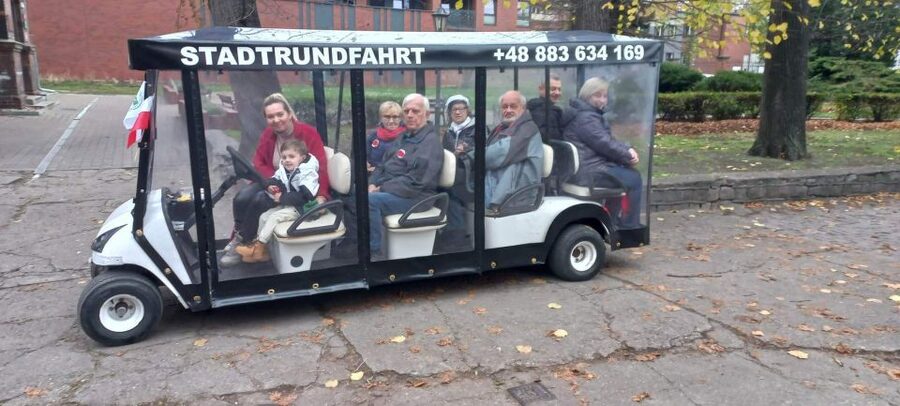
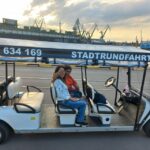
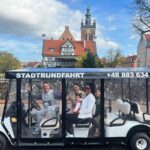
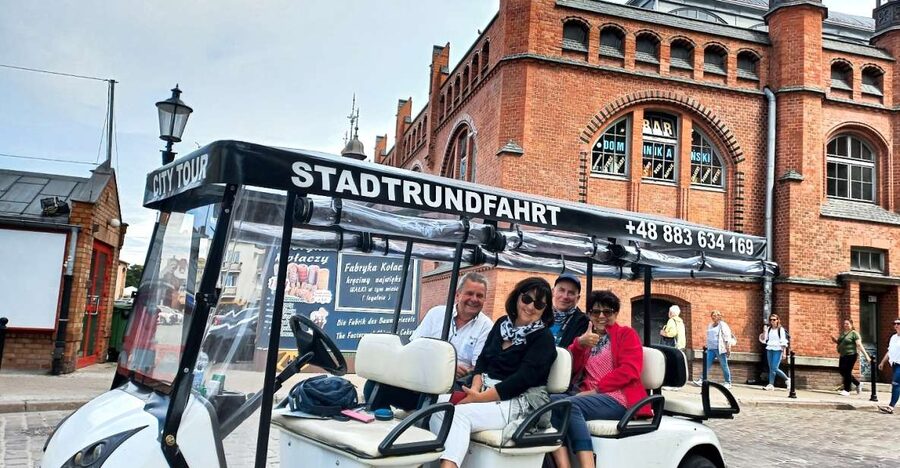
The golf cart/buggy setup is ideal for a city like Gdańsk, where you want to see more than one district but still want a low-effort way to get around. It’s also a big help if you’re traveling with anyone who prefers not to do a long day of walking.
You’ll also get that human element: the tour is live guided and includes multiple languages (English plus others such as Polish, Ukrainian, Spanish, and German). In practice, this means you can ask follow-up questions when something clicks—or when something doesn’t.
One practical note: while the tour is designed for a smooth run, small delays can happen from normal road traffic. If you have a tight dinner reservation right after, plan to eat a bit later than you think you need.
Long Market (Długi Targ): Starting With the City’s Main Stage
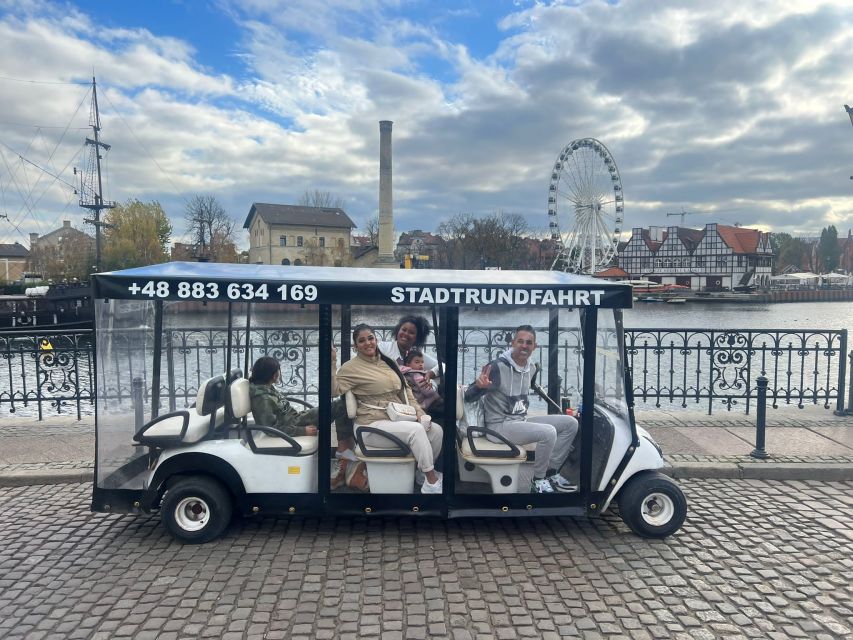
The tour begins with a quick look around Long Market, the classic old-town corridor that sets the tone for everything that follows. This is where you train your eye on architecture, street scale, and the idea that Gdańsk has always been a place built for trade and visibility.
You’ll only have a short stop here (it’s meant as a primer), but it helps you understand the layout. After this, the rest of the route feels less random and more like a planned walk through major chapters.
Golden Gate: Why One Passage Became a Signature
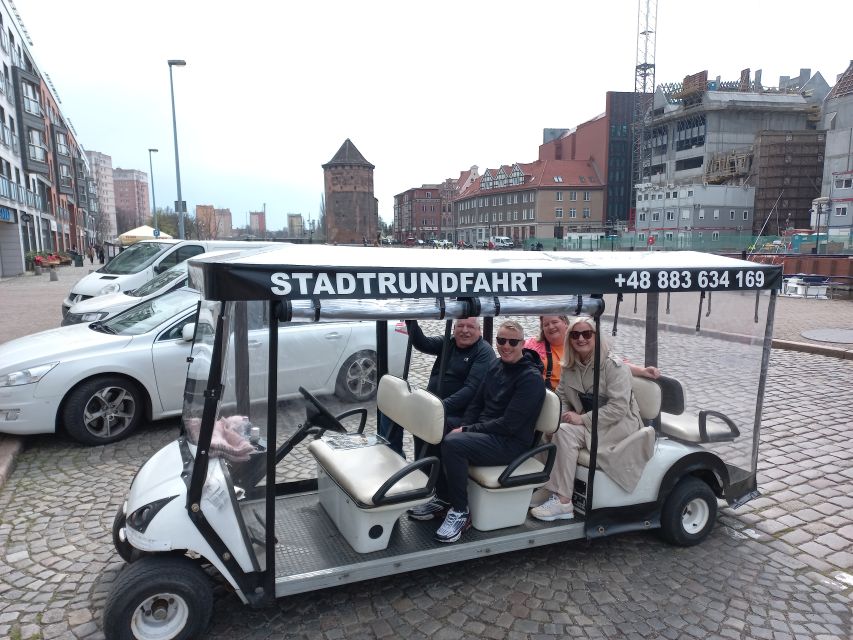
Next comes the Golden Gate, one of those points that looks decorative until you learn its function. Gates like this weren’t just about style. They were about control, defense, and the message of wealth to anyone approaching by road.
Expect a brief, focused explanation and time for photos. This stop is also useful for learning how the city’s old power sits next to later growth.
St. Mary’s Basilica: The Red-Brick Giant You Can’t Miss
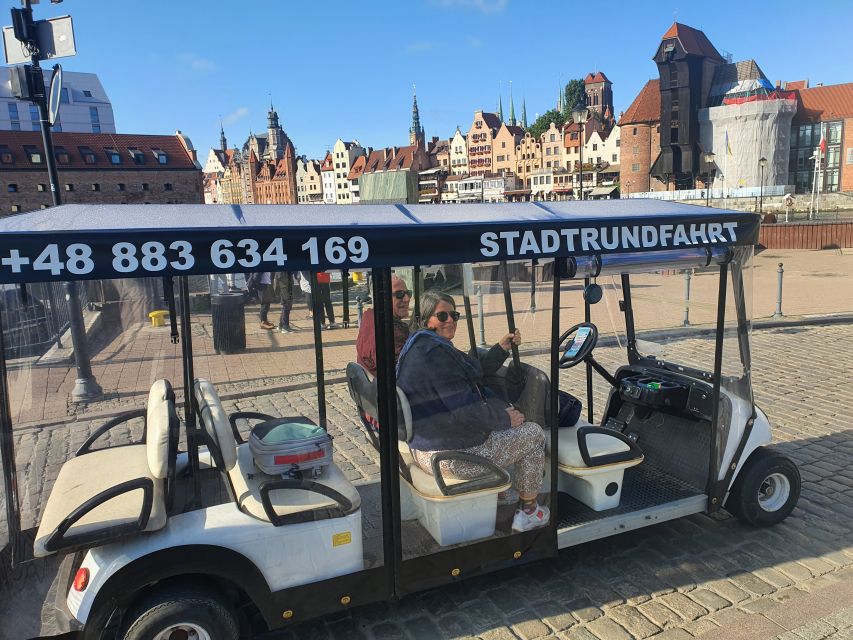
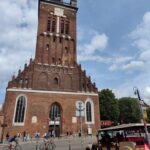
Then you hit St. Mary’s Church (St. Mary’s Basilica)—the standout described as a major red-brick church and often noted for its huge scale. When you see it in person, you understand why it became a symbol: brickwork, height, and presence all serve the idea that the city was prosperous enough to build something monumental.
This stop is a turning point in the tour because the guide can frame it as more than architecture. It’s about identity. In ports and trade cities, churches often functioned as civic landmarks, not just religious spaces.
If you’re the type who likes to capture angles for your photos, this is one of the best places to slow down for a minute, even if the stop is short.
Crane National Maritime Museum Area: Medieval Trade Power in One View
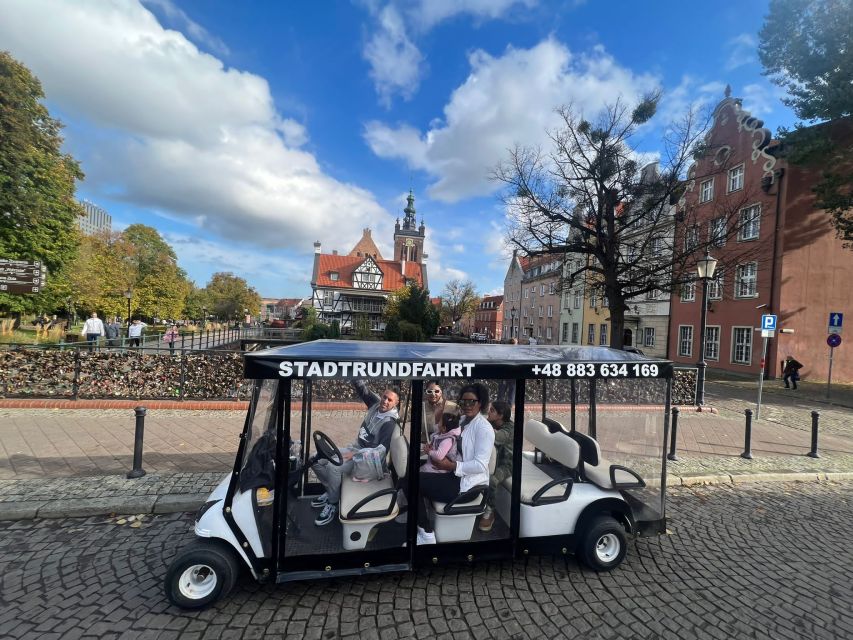
The Great Harbor Crane is the maritime highlight that explains Gdańsk’s “work history” in a single object. Cranes like this weren’t background scenery; they were tools that made the port function.
The guide’s job here is to connect what you see—timber and structure—to what the city used to do: move goods, project strength, and keep shipping moving. Even if you’re not a museum person, it’s a powerful way to visualize the medieval economy.
Museum of Second World War: Modern History With Real Weight
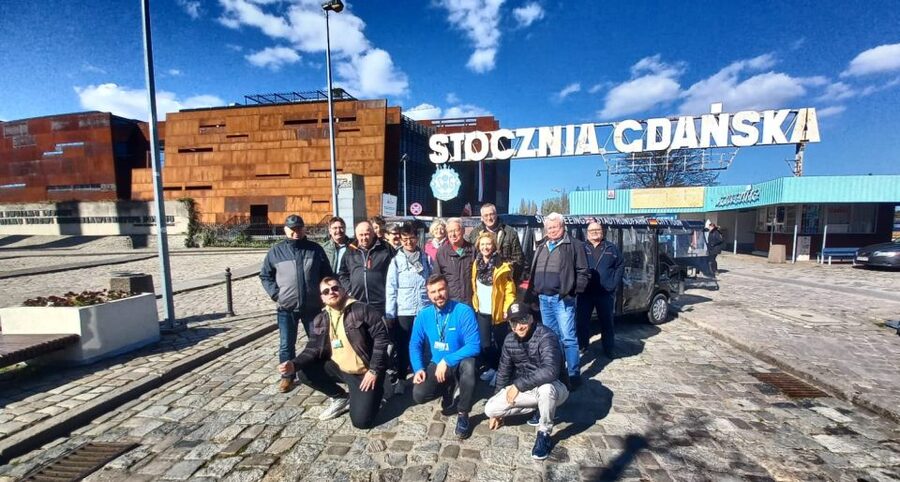
After the medieval port scene, you shift to the Museum of Second World War area. This is the part where the tour stops feeling like a sightseeing sampler and starts feeling like context for Europe.
The time here is brief, but it’s still a valuable introduction. You’ll leave with a mental map for what to look for later if you decide to return for deeper exhibits. It’s also a good reminder that cities like Gdańsk don’t just have old stones—they have modern scars and turning points.
Gdańsk Shipyard: The Place Where Identity Became Action
The tour then moves into the story-connected zone of the Gdańsk Shipyard. This isn’t just a place on the map—it’s tied to the city’s industrial pride and its role in major political shifts later on.
When your guide ties the shipyard identity to what came next, it helps you see why later institutions and memorial sites weren’t random. They grew out of work culture, community strength, and the sheer importance of shipbuilding to the region.
European Solidarity Centre: Where Political Change Starts
Next is the European Solidarity Centre, highlighted as the place where the fall of the socialist camp began. This is one of the stops that many first-time visitors remember most, because it turns history into cause-and-effect.
Even if you don’t go inside immediately, the guide’s framing matters. You’ll understand that Solidarity wasn’t only a political slogan—it was a real social movement with a ripple effect far beyond one city.
St. Bridget’s Church: Another Faith Landmark, Another Layer
St. Bridget’s Church adds a different spiritual layer to your route. After the heavy political and maritime stops, it’s a breather, but still meaningful. Churches like this often reflect the changing tastes and influences of the times, and the guide can help you spot the “why” behind what looks similar at first glance.
It’s also a nice stop for architecture lovers who like variety, not just the biggest name on the list.
Amber Museum: The Trade That Smells Like Business
You’ll pass the Amber Museum, and this stop works especially well if you’re the sort of traveler who likes to connect material culture to the local economy. Amber in the Baltic region is more than a souvenir story; it’s part of the supply chain that shaped coastal trade.
Even if you don’t buy anything, seeing the concept in a museum context makes the city’s commercial identity easier to grasp.
Gdańsk Carousel: A Break That Still Tells You Something
The route includes the Gdańsk Carousel, a shorter stop meant to keep the experience lively and paced. It’s not there just for fun, though. It also signals that Gdańsk isn’t stuck in one era. The city keeps making space for everyday joy alongside major historical memory.
If you’re traveling with kids or you just want a calmer moment between intense stops, this is a good one.
Hala Targowa Kupców Dominikańskich: Market Life, Not Just Monuments
Then you head to Hala Targowa Kupców Dominikańskich. Market halls are some of the best places to learn how locals lived—not just how elites built monuments. A short stop here helps you remember that Gdańsk is a functioning city today, not a museum staged for weekends.
The guide’s explanation is key: you’re looking at architecture and location, but the real lesson is the continuity of trade.
Defenders of the Polish Post Office: Courage in a Specific Place
One of the more emotionally charged stops is Defenders of the Polish Post office. This is where the guide connects a named site to the idea that history happens in real locations, not just in textbooks.
Even with a quick viewing time, it’s worth paying attention to the details your guide points out. Small memorials can carry big weight when you understand the event they mark.
Neptune’s Fountain: Finishing Where the City Pops
The tour ends with a drop-off at two locations, including Neptune’s Fountain again (and specifically Ławnicza 2). This creates a natural “return to the center” feeling, which is exactly what you want after a moving sightseeing route.
From here, you’re positioned well to walk, snack, and decide what you want to see more deeply—without feeling like you’ve already spent your energy on the whole day.
Price vs. Value: What You’re Really Buying at $8
Yes, $8 is cheap for a live guided city loop, especially one that touches so many central highlights. But the real value comes from what you get packaged together:
- A route that covers multiple eras without you plotting everything on a phone
- Short guided interpretations that make your later museum visits easier to enjoy
- Skip-the-line benefit (where applicable), so you aren’t losing time to queues
If you only have a day or two in Gdańsk, this tour helps you make smarter choices afterward. I’d treat it like your “orientation plus context” ticket, not your whole sightseeing plan.
Best Fit: Who Should Book This Tour
This is a strong match if:
- you’re in Gdańsk for the first time and want a fast historical orientation
- you like a guide who talks with personality and answers questions in real time
- you want to cover major sights without a long walking day
It’s also a good option if the weather is mixed and you want a protected, comfortable ride more than a pure walking tour. Wheelchair accessibility is listed, which makes it worth considering for travelers who need mobility support.
Should You Book This Gdańsk Golf Cart Tour?
If you want to get your bearings fast and learn enough context to make the rest of your trip feel meaningful, I’d book it. The route hits major landmarks tied to Gdańsk’s medieval port identity and its later political history, all delivered through a live guide and a low-effort buggy ride.
Just dress for the conditions. Even with a heated setup reported by some guests, heating problems can happen. If you show up warm and ready, this tour is a seriously good first step into Gdańsk.
FAQ
How long is the Gdańsk city tour by golf cart or buggy?
The tour runs about 1–2 hours, depending on the starting time and how the route flows.
How much does it cost?
It’s $8 per person.
Where do I meet, and is pickup available?
You meet close to Neptune’s Fountain on Long Market (Długi Targ). A nearby reference point is the Red Dog Saloon Bar. Hotel pickup is available in the city center within about 2 kilometers of Neptune’s Fountain.
What languages are offered for the live guide?
The live guide is available in English, Polish, Ukrainian, Spanish, and German.
Will the tour run in bad weather?
Yes. The tour takes place rain or shine, so bring appropriate clothing for the weather.
Is the tour wheelchair accessible, and can I cancel if plans change?
Yes, the tour is listed as wheelchair accessible. You can cancel up to 24 hours in advance for a full refund.