REVIEW · MARRAKESH
Marrakech: 3-Day Merzouga Sahara Desert Tour with Quad Ride
Book on GetYourGuide →Operated by Desert Family Tour · Bookable on GetYourGuide
Three days, one huge wow. This Marrakech-to-Merzouga route threads Tizi n’Tichka mountain views with UNESCO kasbah moments, then lands you in the quiet sweep of Erg Chebbi dunes.
I love the timing of the desert pieces. You get sunrise and sunset views over the golden sand, plus a real-feeling camp night with drumming and stars. I also like that the fun isn’t just one activity: with the quad option, you’ll get a quad ride and sandboarding too.
The main drawback is simple: you’ll spend a lot of time on the road. Day 3 can be around 10 hours back to Marrakech, and the standard camp has bathrooms outside the tent, not inside.
In This Review
- Key Highlights You Should Actually Care About
- A Good Plan for Getting Morocco’s Biggest Hits in 3 Days
- High Atlas Road Time: Why Tizi n’Tichka Feels Like a Feature
- Ait Ben Haddou: UNESCO Kasbah Time Done Properly
- The Oasis and Canyon Build-Up: Rose Valley, Tinghir, Todra Gorge
- Merzouga Arrival: The Desert Starts with Letting Go
- Camel Trek to Erg Chebbi: Sunset by the Dunes, Stars After Dinner
- Quad Ride + Sandboarding: Where People Actually Smile
- Camping Comfort: Standard vs Luxury (Bathroom Setup Is the Real Difference)
- Dinner, Breakfast, and Vegetarian Meals: What’s Included and What to Budget
- The Long Return Day: About 10 Hours Back to Marrakech
- Who This Tour Is Best For (And Who Should Skip It)
- Price and Value: Why the Inclusions Matter More Than the Number
- Should You Book This Marrakech to Merzouga Tour?
- FAQ
- What are the main stops on this 3-day tour?
- How long is the drive back to Marrakech on day 3?
- Is the local guide at Ait Ben Haddou included?
- Do you get sandboarding and quad riding?
- How does the quad option work?
- What are the desert camp bathrooms like?
- Are meals included?
- Can the tour accommodate vegetarians or vegans?
- Where does pickup happen?
- Is this tour suitable for children or people with mobility impairments?
Key Highlights You Should Actually Care About
- Tizi n’Tichka road time with photo stops and short breaks, so the drive doesn’t feel like a punishment
- Ait Ben Haddou UNESCO kasbah explored for about 2.5 hours with a local guide (entry/guide fees can be extra)
- Todra Gorge canyon walls and oasis scenery on the way toward the desert
- Erg Chebbi camel trek that includes walking up to the dunes for the sunset
- Quad + sandboarding in the Merzouga dunes when you select the quad option
- Two different overnight styles depending on standard vs luxury camp (bathroom setup changes)
A Good Plan for Getting Morocco’s Biggest Hits in 3 Days
This tour is built for people who want a lot of Morocco without juggling planners. You’re moving through high-mountain roads, kasbah culture, palm oases, and then the Sahara—same direction, same vehicle, and a tight schedule that keeps momentum.
The vibe you’re aiming for is part road trip, part cultural day, part desert night. That blend is what makes it work: you don’t just stare at dunes all day. You build up to them.
And if you care about safety and smooth driving, you’ll likely appreciate how often guides and drivers are praised for careful road handling—especially the folks like Ahmed and Karim, and others such as Hassan or Youssef who come up again and again for keeping things calm on curvy roads.
High Atlas Road Time: Why Tizi n’Tichka Feels Like a Feature
Getting from Marrakech to the desert is not a straight line. It’s a big uphill/downhill day across the High Atlas Mountains, and the star moment on the drive is crossing Tizi n’Tichka.
What I like about this setup for you: the schedule doesn’t pretend you can stare out the window for 10+ hours. You’re given time for photo stops, quick stretches, and coffee pauses along the way. That matters because the roads are winding and altitude changes can make you feel it.
You’ll see mountain villages and road life as you go—small stops, local storefront energy, and the kind of roadside rhythm that makes the trip feel like travel, not just transportation. If you get car-sick, plan ahead (and sit where you feel best).
Ait Ben Haddou: UNESCO Kasbah Time Done Properly
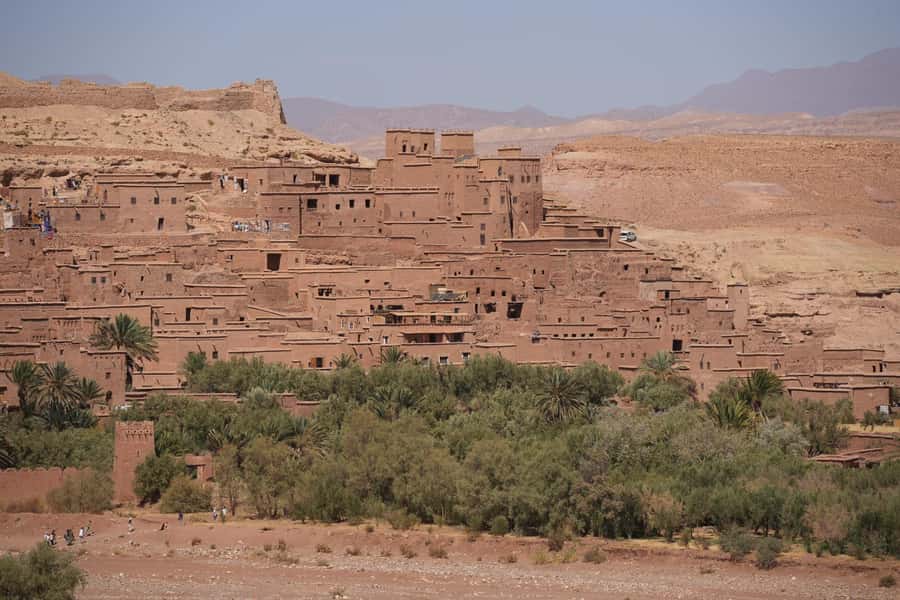
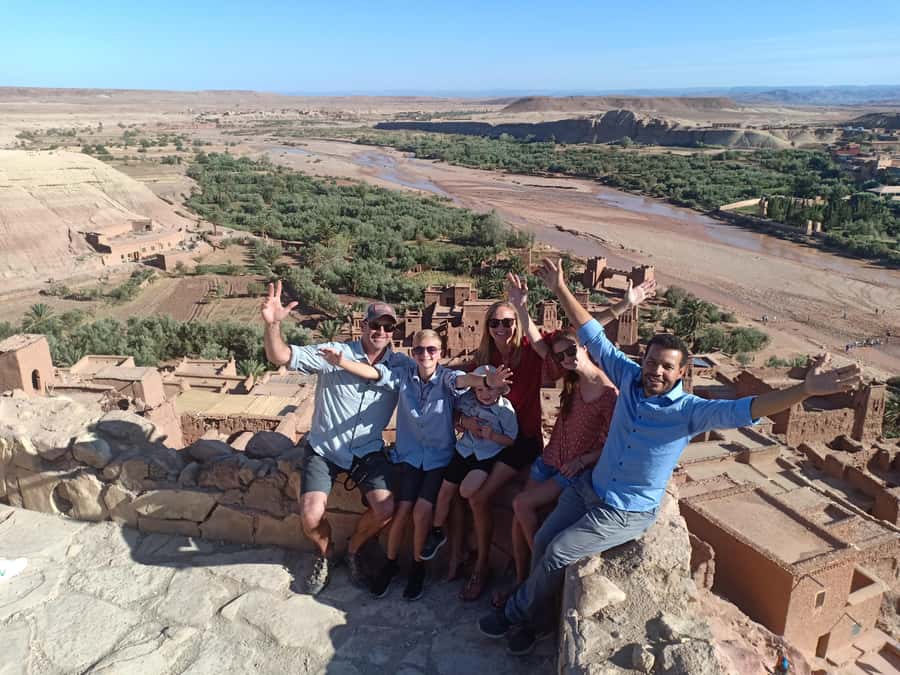
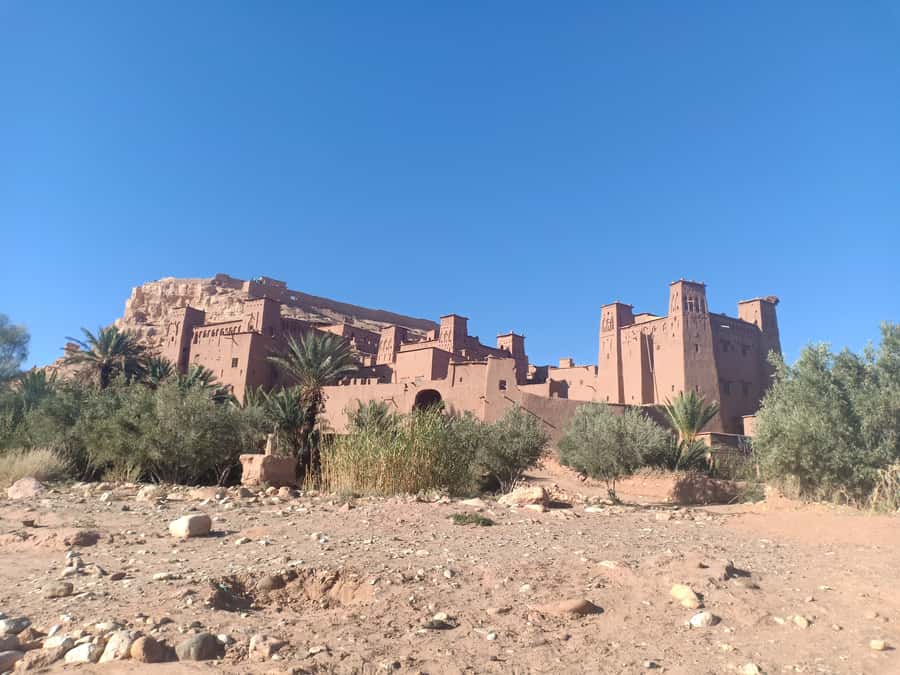
Ait Ben Haddou is the cultural anchor of day 1. This fortified kasbah is the kind of place where you quickly understand why filmmakers keep coming back—stacked stone walls, layered lanes, and that dramatic “this could be a movie set” feeling.
You’ll spend about 2.5 hours exploring with a local guide. That time is the difference between seeing a pile of buildings and understanding why it matters. You also get the chance to ask questions in the moment instead of trying to read a guidebook while standing in the sun.
Two practical notes:
- Entrance fees are not included if applicable, and the local guide at Ait Ben Haddou has an extra fee (listed as about €2).
- Lunch is included, but it’s one of those routes where food options can vary. Keep an eye on what’s available if you’re picky.
If you want value, this is where it’s easiest to justify the tour. You’re not just driving past a famous site—you’re spending real time there.
The Oasis and Canyon Build-Up: Rose Valley, Tinghir, Todra Gorge
After Ait Ben Haddou, the day shifts gears from kasbah drama to canyon-and-oasis variety. You pass through areas such as Ouarzazate and the Skoura Oasis region, and you’ll drive by places like Klaa Mgouna and the Dades route.
Day 1 ends in the Rose Valley area for dinner and your first overnight. That night matters more than you might think. You’re breaking the journey in a way that makes day 2 feel like a continuation, not another reset.
Then day 2 turns toward Todra Gorges. These canyon walls are the payoff for the scenery builders: you get that tall, tight valley feel, with strong rock lines that look good in photos but also feel impressive in person because the scale is real.
A small caution: canyon and gorge stops are often time-managed. You’ll have time to see and take photos, but you’re not treating this like a slow hiking trip. If you want hours of walking, you may feel a bit time-pressured.
Merzouga Arrival: The Desert Starts with Letting Go
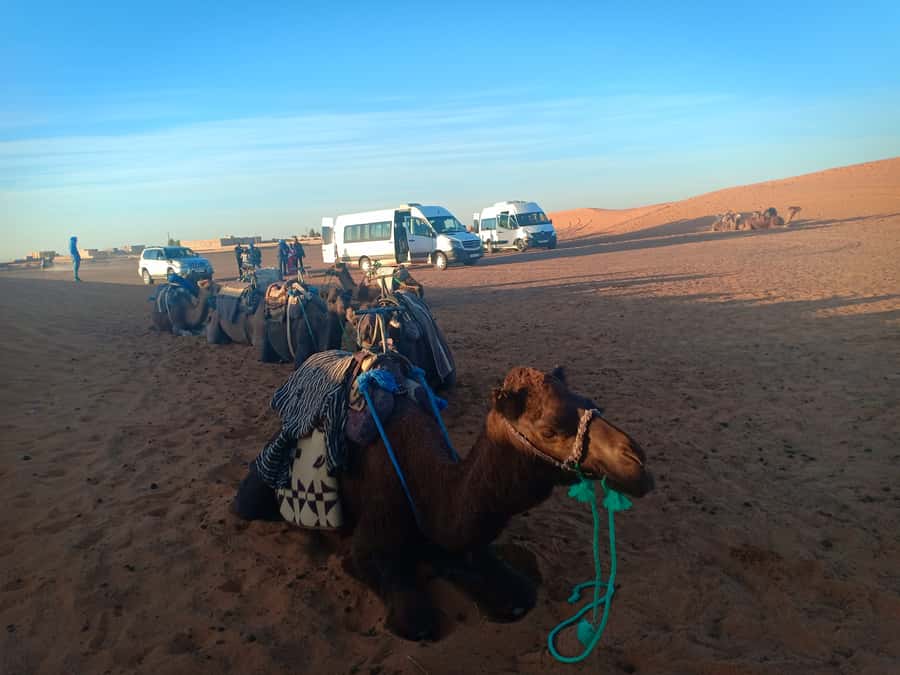
Once you reach Merzouga, you’ll have a short relaxation break and then you pack a small overnight bag. The luggage service is handy because you don’t want to carry everything into the dunes.
This is where the desert experience becomes physical. You’re about to leave the vehicle route behind and trade it for sand, wind, and the quiet that comes after villages and roads.
And yes, you can feel the temperature change at night. Even if you’re arriving in warm weather, plan for cool desert evenings. Many people show up without thinking about it until it hits.
Camel Trek to Erg Chebbi: Sunset by the Dunes, Stars After Dinner
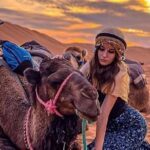
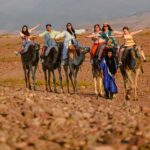
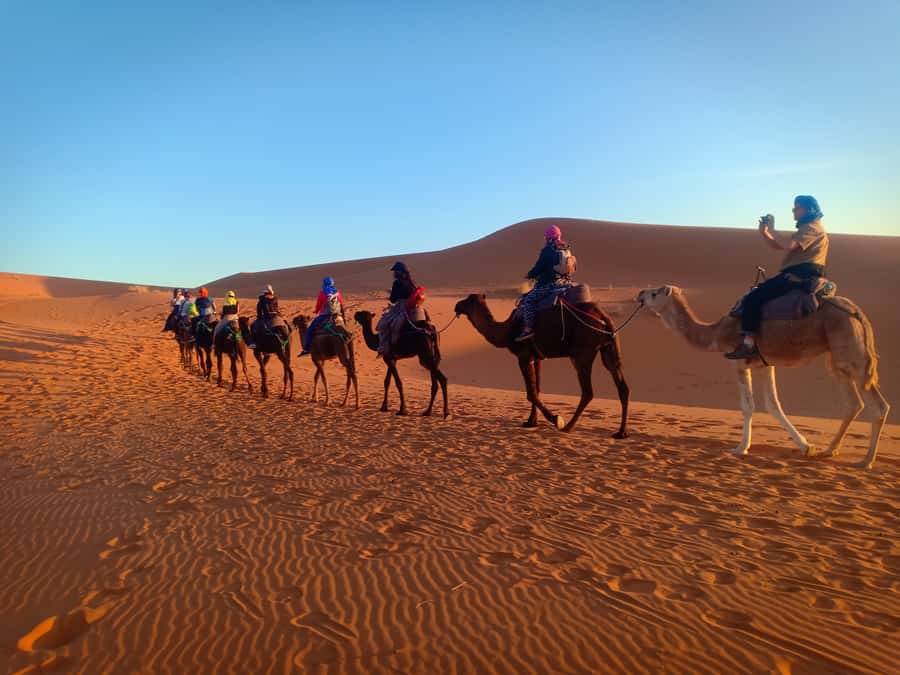
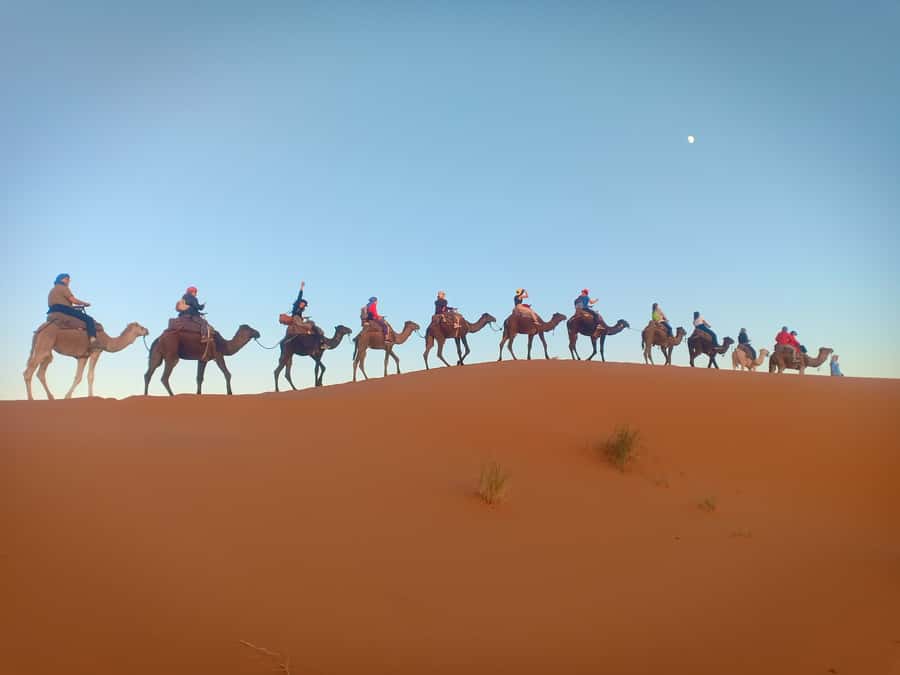
The core of the Sahara part is your camel trek across the Erg Chebbi dunes. You’ll ride one camel each, and the trek culminates in a camp night under the stars.
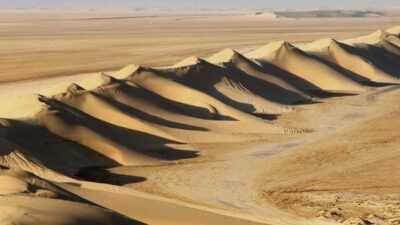
After arriving, you leave the camels and walk to the highest dunes for sunset. That moment is the one most people remember because the light changes fast and the dunes look like they’ve been painted over and over. It’s not just pretty—it’s atmospheric. The horizon is wide. Sound carries differently. And the scale is hard to explain until you’re there.
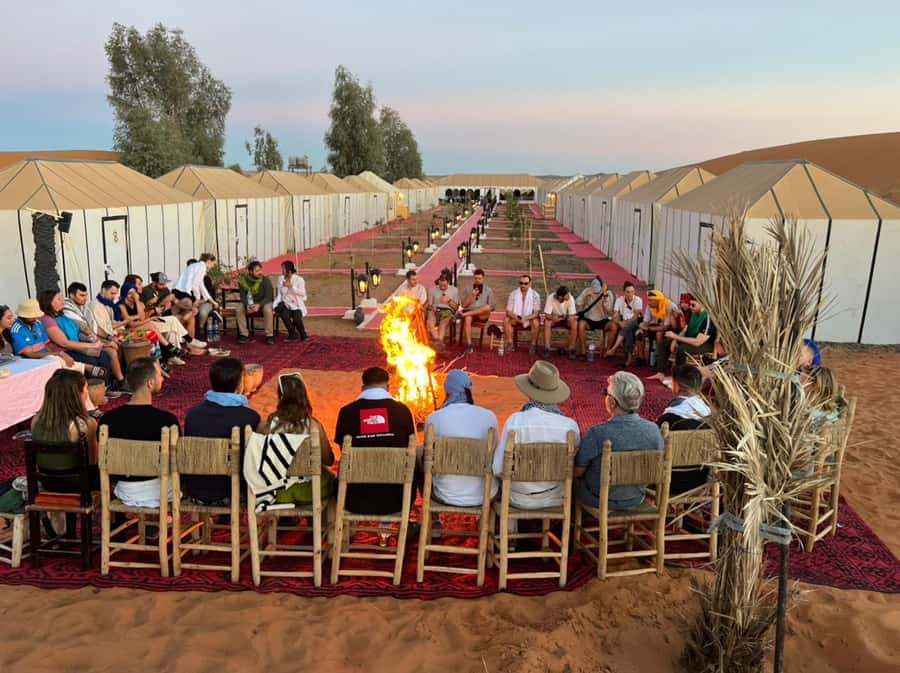
At the camp, you’ll sleep in traditional Berber-style tents and enjoy drum music after dinner. That combination—no loud city noise, plus the music and fire atmosphere—is exactly what makes it feel like a true desert night rather than a staged event.
One smart tip: bring shoes you can handle for sand. The dunes are beautiful, but they’re not a soft floor. You’ll want something stable for walking.
Quad Ride + Sandboarding: Where People Actually Smile
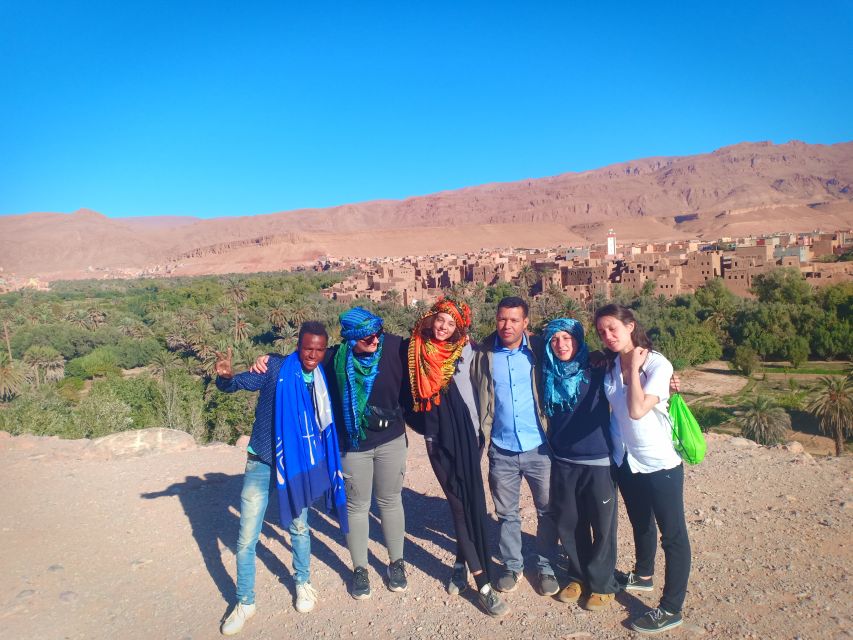
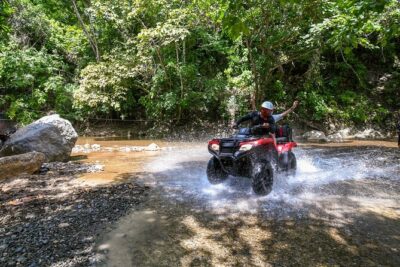
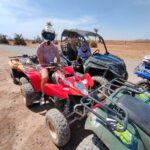
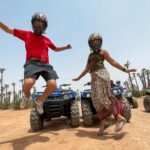
If you select the quad option, you get a shared quad adventure in the Merzouga dunes. The schedule includes 1-hour quad biking, with 1 quad for 2 persons—so you’ll share the machine.
This is a good match for people who want the desert to have an active side. Camel rides are slow and scenic. Quads are faster and loud. Together, they give you two different kinds of dune time.
Sandboarding is also included. It’s one of those activities where you don’t need to be good at it to have fun. Expect a learning curve and a few sandy surprises—your legs and confidence will recover quickly.
Safety wise, this is exactly where driver quality matters. Several groups describe safe driving and careful handling on the road earlier in the tour, and the same matter of trust applies once you’re moving in the dunes.
Camping Comfort: Standard vs Luxury (Bathroom Setup Is the Real Difference)
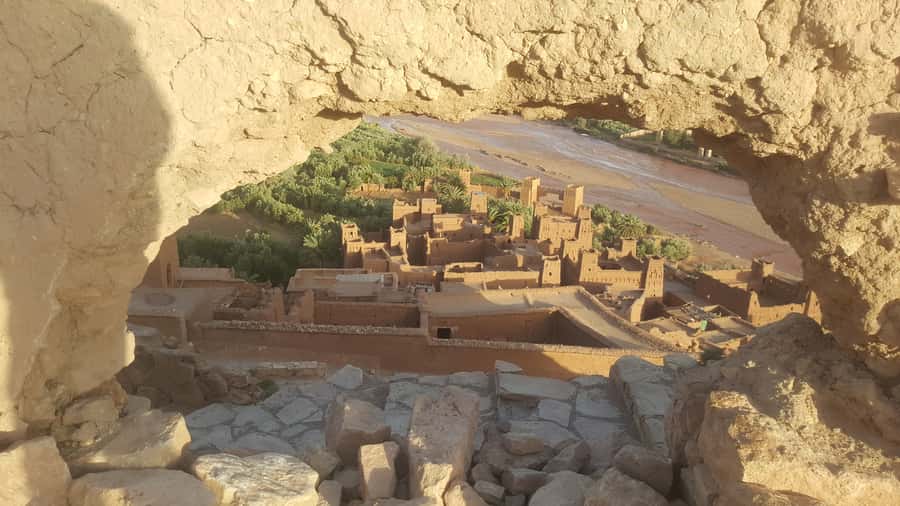
The desert camp options are not just about luxury decoration. The practical difference is the bathroom setup.
- Standard camp: bathroom/shower is outside the tent.
- Luxury camp: bathroom/shower is inside the tent.
If you’re someone who gets uncomfortable with cold or low-light trips for basic needs, luxury makes more sense. If you don’t mind walking a short distance in the dark to use a shared facility, standard can be totally fine.
Also note that the camp tents are in the middle of the dunes, so you’re not rolling out of bed into a hotel corridor. Bring patience and a sense of adventure. It’s part of the deal.
Dinner, Breakfast, and Vegetarian Meals: What’s Included and What to Budget
You’ll have 2 breakfasts and 2 dinners included. There’s a vegetarian option available if you communicate it at booking, and that’s a big deal on routes where menu choices can otherwise be limited.
Lunch is not included, and that’s where you should expect extra spending. Some stops offer traditional Moroccan food, and prices for small things like coffee can add up along the way. Keep enough cash for lunches and tips.
One more practical note: you can’t assume you’ll always have the exact meal you want on the spot, because the tour is moving. But you should generally find alternatives if you’re flexible.
The Long Return Day: About 10 Hours Back to Marrakech
Day 3 is the marathon. After your sunrise moment and breakfast, you hop back on the camels and then transition into driving.
You’ll return toward Marrakech via Ouarzazate, and there’s a midday stop at Kalaat M’Gouna (Rose Valley) for lunch. Then it’s back to your hotel in the evening.
This is the day that can feel long, especially because you’ve already had two packed days. The vehicle part is real—plan for comfort:
- wear layers
- bring water and snacks if allowed by your comfort level
- keep your camera ready, but don’t assume every turn equals a photo
Because this drive is long, the tour is not suitable for children, and that’s not just a technical rule. It’s about how much time you’re spending in transit.
Who This Tour Is Best For (And Who Should Skip It)
This is a great pick for you if:
- you want a full Morocco sampler in 3 days
- you care about desert moments at sunrise and sunset
- you want included food plus transport without planning every stop
- you like the idea of mixing cultural sights with active dune time (camel + quad + sandboarding)
It’s probably not the right match if:
- you have mobility issues (the tour is not suitable for people with mobility impairments)
- you’re pregnant (not suitable)
- you’re hoping for lots of hiking freedom and slow wandering (this schedule is designed for seeing many places, not long treks)
If you’re traveling solo, there’s also a strong chance you’ll feel safe with a team-based guide/driver setup. Many solo travelers highlight feeling looked after and safe during transport.
Price and Value: Why the Inclusions Matter More Than the Number
Even without seeing a line-item price here, you can judge value by what’s wrapped into the tour:
- air-conditioned transportation for the long haul
- overnight in a Kasbah/Riad style accommodation for night 1
- overnight in a desert camp for night 2
- meals: 2 dinners + 2 breakfasts
- camel ride (one camel each)
- quad time if selected (1-hour)
- sandboarding
- luggage service so you only carry a small bag into the desert
If you tried to piece these together on your own, you’d almost certainly pay for transport, guide help, and the camp separately. The quad and sandboarding are also the kind of extras that are easy to overlook until you see how much they cost elsewhere.
One caveat: your first-night accommodation is generally described as clean and comfortable, but a small number of people found their initial hotel a letdown compared to expectations. That’s not a deal-breaker for everyone, but it’s good to go in with the right mental model: night 2 in the dunes is the star.
Should You Book This Marrakech to Merzouga Tour?
If you want a proven way to hit High Atlas passes, Ait Ben Haddou, Todra Gorge, and the Sahara without wasting your trip on logistics, I think this is a strong booking choice.
Book it if desert timing matters to you—especially sunrise and sunset—and if you want that combo of camel calm plus dune action via quad riding and sandboarding. It’s also a good fit for couples and small groups who like a structured plan but still want real moments.
Pass if you’re sensitive to long drives, need very accessible routes, or you’d rather spend more days slowly traveling instead of packing everything into three.
FAQ
What are the main stops on this 3-day tour?
You start in Marrakech and drive over the High Atlas with stops including Tizi n’Tichka and Ait Benhaddou Kasbah, then continue through Ouarzazate and the Rose Valley area. Day 2 focuses on the Todra Gorges area and the drive toward Merzouga. Day 3 returns to Marrakech via Ouarzazate, with a lunch stop in Kalaat M’Gouna (Rose Valley).
How long is the drive back to Marrakech on day 3?
It’s described as a long day, approximately 10 hours from Erg Chebbi to Marrakech.
Is the local guide at Ait Ben Haddou included?
No. A local guide fee is not included (listed as about €2). Entrance fees are also noted as not included if applicable.
Do you get sandboarding and quad riding?
Sandboarding is included. Quad riding is included only if you select the quad option, with 1-hour of quad biking in the Merzouga dunes.
How does the quad option work?
The quad adventure is shared. It’s listed as 1 quad for 2 persons during the 1-hour quad biking in the Merzouga Desert Dunes.
What are the desert camp bathrooms like?
For the standard camp, the bathroom/shower is outside the tent. For the luxury camp, the bathroom/shower is inside the tent.
Are meals included?
Yes. You get 2 dinners and 2 breakfasts included. Lunch is not included.
Can the tour accommodate vegetarians or vegans?
Vegetarian and vegan diets can be accommodated if you communicate this at booking. Vegetarian option is also listed for dinner and breakfast.
Where does pickup happen?
Pickup is available at your accommodation or the closest location accessible by car. Pickup is not available from accommodations located more than 5 km from Jemaa El Fna Square.
Is this tour suitable for children or people with mobility impairments?
It’s not suitable for children due to the long driving day 3. It’s also listed as not suitable for people with mobility impairments.