REVIEW · GDANSK
Gdańsk: City Sightseeing Tour by Buggy/Golf Cart LIVE GUIDED 1H
Book on Viator →Operated by Top City Tour Gdansk · Bookable on Viator
Gdańsk rolls by in an easy hour. This live guided buggy tour is built for quick orientation, with a route that hits the Long Market highlights, city gates, and major memorials without wearing you out. I especially like the pickup and drop-off in the historic center, so you don’t spend your energy wrestling with buses or streetfinding. The biggest drawback is simple: it’s a highlights loop, not a slow museum day—so you may want to come back for the places that grab you.
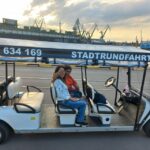
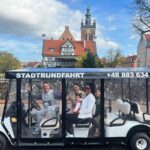
You’ll ride in a small open-air cart (up to 9 passengers has come up in reviews), with a guide who keeps the stories moving. On rainy days, the cart setup can include plastic sides and even blankets, which makes a big difference when the weather turns. If you’re picky about hearing every word clearly, do note that one review flagged an accent barrier—so it helps to ask questions early.
This is the kind of tour that fits well when you have limited time, want to see a lot, or need an easier way around old-town streets. And with tour groups capped at 30, it typically stays lively but not chaotic.
In This Review
- Key things to know before you go
- Why Gdańsk highlights work best from a buggy
- Price and time: what $29.48 buys you in real terms
- Neptune’s Fountain to the Long Market: getting the city’s compass points
- Golden House and Neptune’s Fountain: the photo stops that teach you the story
- Gates, towers, and the royal-route rhythm (Shakespeare Theatre to Langgasser Tor)
- From Forum Gdańsk to the bridge of love: old meets modern
- Solidarity Square and the big memorial pause at Three Crosses
- Churches and chapels in one loop: St. Catherine to St. Nicholas
- Markets, amber, and the Polish Post Office: texture stops you’ll remember
- WWII, culture, and the waterfront edges: Second World War Museum to the crane
- Guide quality is the whole game: English, stories, and smart pacing
- Who should book this buggy highlights tour (and who should pair it with more time)
- Your on-day checklist for a smoother ride
- Should you book it?
- FAQ
- How long is the Gdańsk buggy highlights tour?
- What is the price per person?
- Is the tour live guided, and is it offered in English?
- Where does the tour start and end?
- Do I get pickup and drop-off?
- Are there any places the tour does not pick up from?
- What weather conditions does the tour require?
- What is the group size limit?
Key things to know before you go
- Central pickup/drop-off within 2 km of Neptune’s Fountain: You choose where to be picked up inside the historical core.
- A true highlights sweep: You’ll see major gates, squares, bridges, churches, and top museums on a short timeline.
- Live English guidance: The tour runs with a guide speaking your language, plus lots of Q&A time.
- Small-cart feel: Reviews mention attention stays personal because carts are not huge.
- Weather-ready touches: Blankets and protective cart sides can help when it rains.
- Free-entry stops listed on the route: The itinerary marks many stops as admission ticket free.
Why Gdańsk highlights work best from a buggy
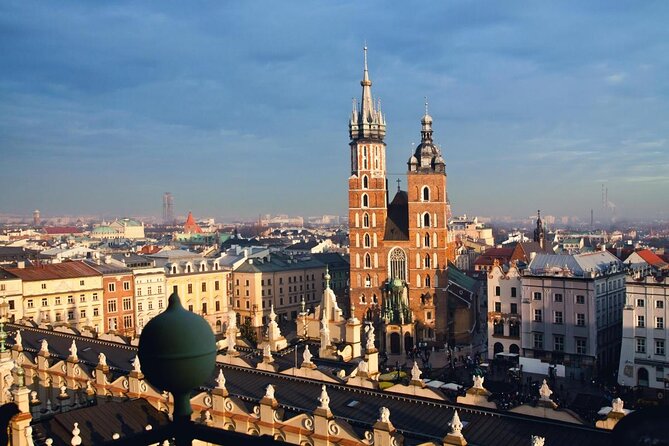
Gdańsk is beautiful, but it’s also an old city with tight streets and lots of stops you’ll want to photograph. This tour solves the main problem: you get the layout of the city fast, without arriving at every landmark sweaty and winded.
What makes the buggy format work here is the pacing. The route is packed with major sights, yet you’re not stuck walking between far-flung points on your own. You’re essentially using the cart as a guided “mobility shortcut,” then getting short, focused moments at each stop to decide what you want to explore later on foot.
Another practical win: the tour is designed for different weather. Reviews mention rain gear like plastic sides on the cart and blankets to stay warm. That matters in the Baltic climate—especially when you’re doing an outdoor city loop.
Finally, the cart gives you a better sense of how the city “connects.” You’re not just staring at buildings; you’re seeing how Long Market, gates, waterfront-era sites, and memorial areas relate to each other on the same circuit.
Price and time: what $29.48 buys you in real terms
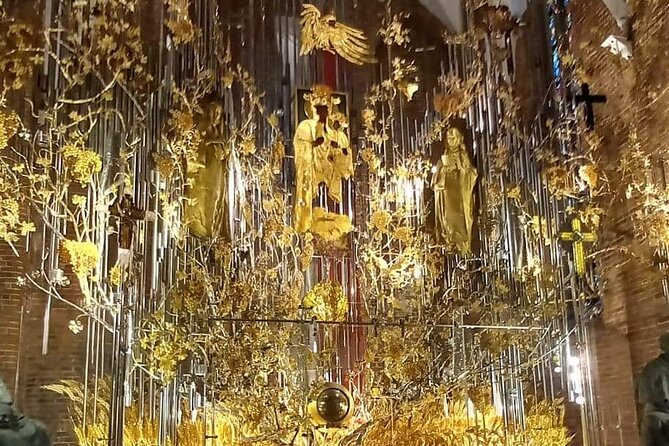
The price is $29.48 per person for a tour running about 1 hour to 1 hour 15 minutes. On paper, that sounds short. In practice, you’re paying for three things: a live guide, efficient transport, and a guided route you might not piece together yourself on a first day.
The best value hook is the pickup and drop-off in central Gdańsk. You’re allowed to choose your pickup point within about 2 km of Neptune’s Fountain, and the same applies to drop-off (inside that historical area). That reduces the time cost of “getting around,” which is where many short walking tours quietly lose value.
Also, you’re not paying for attractions on your own at each step. The stop list marks many locations as admission ticket free, which helps you keep the budget predictable. Of course, “free admission” doesn’t guarantee you’ll spend long inside every building during a fast loop, but it keeps options open.
The main consideration with this kind of fast sightseeing: you’re buying orientation, not depth. Several guides in reviews were excellent at explaining context, but the schedule still limits how long you can stay at any single church, museum, or market hall.
Neptune’s Fountain to the Long Market: getting the city’s compass points

The tour starts at Neptune’s Fountain on Długi Targ. This is a smart starting spot because it’s a hub for old-town life and a natural reference point for directions. Once you’re there, everything else on the route starts making sense quickly.
Early on, you pass by Green Gate (Brama Zielona), described as the access point to the Long Market from the Motława River side. Even from a brief stop, it helps you visualize how the city’s main commercial street connected to the river—Gdańsk was built on that kind of access.
Next comes Muzeum Gdańska. Even when you’re only doing a quick stop, it’s useful as a “thinking pause.” The guide can frame what you’re seeing in the rest of the city, so the museums aren’t just random building exteriors.
Then you reach the Main Town Hall (Museum of Gdańsk) area. This stop is ideal for understanding why Gdańsk mattered. Town hall architecture and the surrounding streets work like a map for civic power and trade-era growth—without needing you to read a single guidebook page.
My advice: take 30 seconds at each early landmark to note what you want to revisit. If you only remember one thing, remember the street geography: where the Long Market runs and how the gates connect to major squares.
Golden House and Neptune’s Fountain: the photo stops that teach you the story
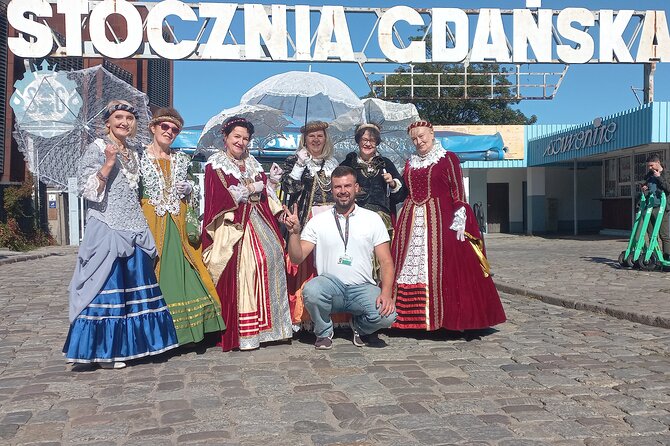
Two of the most iconic stops land around the heart of the Long Market: the Golden House and Neptune’s Fountain.
The Golden House is often remembered for its look, but on this tour it’s really about what ornamentation is telling you. When the guide points out architectural details, you start seeing the city as more than postcards—you see the message in the style.
Then there’s Neptune’s Fountain (Fontanna Neptuna). It’s one of the city’s symbols, and the guided context helps you understand why it’s such a recurring reference point. Even a quick viewing can become meaningful if the guide ties it back to Gdańsk’s identity.
One practical tip from the vibe of the reviews: if it’s raining, ask the guide to position the cart so you can still shoot photos. There was a complaint about cart curtains being down and blocking view in one instance, so don’t be shy about requesting adjustments for visibility.
Overall, this portion of the route is where you decide if you’re a “spend more time here” traveler. If a stop triggers your curiosity, that’s your cue to plan a follow-up visit later.
Gates, towers, and the royal-route rhythm (Shakespeare Theatre to Langgasser Tor)
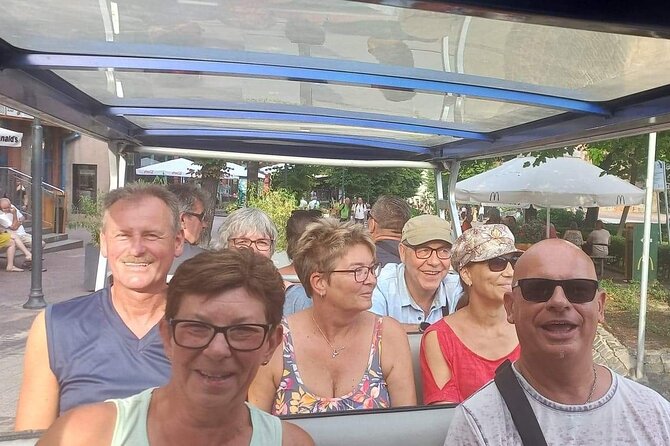
Gdańsk’s old city feel shows up strongly when you move from markets to gate structures and defensive-era landmarks.
You’ll stop near the Gdańsk Shakespeare Theatre, located close to the city walls. Even if you don’t go inside, it’s a useful marker: it signals that you’re shifting from trade-and-market Gdańsk to the story of fortifications and boundaries.
Then comes Langgasser Tor (Goldenes Tor), the gate entrance to the main street. Gates in Gdańsk aren’t just doorways; they’re stage sets. In a short visit, you’re mostly learning the “where” and “why” so later, when you’re walking, you’ll feel oriented.
After that you’ll see the Prison Tower, which helps balance the beauty of the old town with a more serious side of the city’s past. Quick stops here are still worth it because they prevent the tour from becoming all decoration.
Another gate stop follows: Highland Gate, tied to the start of the royal route in the past. This is one of the points where a good guide makes the route feel like a storyline instead of a list of landmarks.
From Forum Gdańsk to the bridge of love: old meets modern
The route doesn’t keep you only in medieval mode. It also includes places that show how Gdańsk keeps evolving.
A brief stop at Forum Gdańsk (the large shopping center) is one example. It’s quick, but it gives you a sense of where daily life and modern infrastructure sit beside the old core.
You’ll also see The Great Armoury (Wielka Zbrojownia), and Drzewo Millennium (the Millennium Tree). These stops are useful for understanding that “heritage” is not only churches and gates. Monuments and civic spaces also shape how the city remembers itself.
Jan III Sobieski Monument adds another layer, tying the city’s public storytelling to figures from Polish history.
Then comes Most Chlebowy, often called the Bridge of Love. It’s a short photo moment, but it’s a good one for timing: it breaks up the heavier historical sites with something more human-scale and present-day.
Solidarity Square and the big memorial pause at Three Crosses
One of the most emotionally loaded stops on this route is Three Crosses Monument, connected to Solidarity Square and the Europe Solidarity Center area.
Even in a fast cart stop, this is where the guide’s tone matters. Several reviews highlighted strong explanations of both WWII and Solidarity-era themes. On a highlights tour, that’s a big deal—because it prevents memorial stops from feeling like checkboxes.
This is also the kind of landmark where you might want a longer look than the schedule allows. If you feel pulled in by what you learn, you’ll likely be thankful you have the rest of the city still ahead of you—then you can return later with time.
Practical note: if you’re photographing, check whether you’re in a windy spot (memorial areas can be exposed). The cart keeps you moving, so you’ll get shots fast, but you might want to plan your camera settings.
Churches and chapels in one loop: St. Catherine to St. Nicholas

Gdańsk’s church cluster is a major reason people keep coming back. This tour stacks several of them into a single sweep, which is convenient when you don’t want to crisscross the city on your own.
You’ll stop at St. Catherine’s Church (Kosciol Sw. Katarzyny) and St. Bridget’s Church (Kosciol sw. Brygidy) early in the inland leg. Then the list includes St. John’s Church, plus the Royal Chapel (Kaplica Krolewska), followed by St. Mary’s Church and St. Nicholas Church.
The main value here is comparison. By seeing multiple churches back-to-back, you start noticing differences in style cues and how each building anchors its corner of the old town. It’s also an efficient way to decide which church you’ll want to enter—without spending half a day trying to choose.
A minor caution: when you’re on a short timeline, you may not get the kind of quiet, uninterrupted viewing you’d want inside. Use the stops to identify what you want to study later.
Markets, amber, and the Polish Post Office: texture stops you’ll remember
Not every stop is a monument. Some are about everyday Gdańsk texture.
You’ll see Hala Targowa (Market Hall / Kupcow Dominikańskich), a practical stop that signals where locals shopped and socialized. Even a quick glance gives you the right mindset for later food or souvenir walks.
Another standout is The Great Mill / Amber Museum. This one works well on a buggy tour because it’s the kind of place you can enjoy from a quick exterior look and then decide whether to go deeper. If you’re into Baltic materials and craftsmanship, the guide’s framing can make the short stop feel more meaningful.
Then there’s Museum of the Polish Post Office. Communication history is a fascinating angle in Gdańsk’s story, and it’s the sort of museum stop that can connect the dots between trade, messages, conflict, and rebuilding.
If you want an all-in cultural day, this cluster is a strong argument for doing the buggy route first. It helps you understand where the story lives before you spend time inside.
WWII, culture, and the waterfront edges: Second World War Museum to the crane
The route includes Museum of the Second World War, which is one of the heaviest stops on any Gdańsk itinerary. On a highlights loop, you’ll mostly get orientation and guided context rather than a full museum day, but that’s still valuable—especially if you’re trying to understand why the city’s narrative is so central to European history.
You’ll also hit Baltic Sea Culture Centre / The Old Town Hall and Baltic Symphony Hall. These stops help balance the emotional weight with arts and institutions, so the city doesn’t feel like only war memory.
Then you’ll see Crane, described as the Historical Great Crane. Waterfront-era sites like this connect Gdańsk’s economic engine to its physical landscape. Even if you only look quickly, it’s a powerful “this is why the city mattered” cue.
My practical takeaway: use this section of the tour as your map for the waterfront. If you’re craving a longer walk after the tour, you’ll know where the big water views are likely to be.
Guide quality is the whole game: English, stories, and smart pacing
A buggy tour can succeed or fail based on one thing: the guide. Here, the reviews are very consistent about strong engagement and good pacing.
You might meet guides such as Michael, Alex, Nori(s), Loris, or Magic, and names like Norris and Maciek also show up in standout reviews. What connects them: they’re described as answering questions well and sharing not just facts, but perspective—sometimes using historical pictures to show what places looked like before the war.
One review mentions a guide making a special moment happen at a church with lights turned on. Another highlights that a guide shared both WWII history and the Solidarity story with clear context. Those details are exactly what turn a fast loop into something you actually learn from.
The one caution is communication clarity. One review said the guide’s accent was hard to understand and that the cart curtains were up in a way that blocked the view. If anything feels off, fix it early: ask the guide to adjust the cart setup and repeat key points. The group is small enough that you should be able to get attention.
Who should book this buggy highlights tour (and who should pair it with more time)
This tour is a strong fit if:
- You’re short on time and want a city orientation you can build on.
- You don’t want to do long walks between old-town pockets.
- You’d rather sit, listen, and decide what to revisit later.
- You want a guide to connect WWII and Solidarity themes to the geography of Gdańsk.
It may not be the best fit if:
- You want slow, in-depth museum visits. The route is too tight.
- You’re the type who hates photo-stop schedules. Some stops are quick by design.
- You need very detailed multilingual interpretation. The tour is English live guided, but accent clarity can vary by guide.
If you like structure, this buggy tour can become your first-day backbone. Then you can add a second day for longer museum time, church interiors, or market wandering.
Your on-day checklist for a smoother ride
To get the most out of the cart loop, plan for the fact that you’ll be moving often and pausing briefly.
Bring a jacket even in mild weather. The tour is weather-dependent, and one review specifically mentions using blankets and protective sides when it rained. If you’re sensitive to cold, ask about what protection the cart has.
At pickup, be ready. The instructions say to wait at the pickup location 10 minutes before the scheduled start time and to provide the exact address. If the street you choose is restricted, your guide can contact you to set a closer pick-up point.
If you’re meeting at the start, Neptune’s Fountain on Długi Targ is the anchor point. Look for the guide’s sign when you arrive, since getting grouped quickly makes the whole tour run on time.
Finally, bring questions. A guide-led loop works best when you prompt the guide with what you care about—architecture, post-war rebuilding, trade history, or Solidarity-era context.
Should you book it?
I think this is a smart booking when you want to understand Gdańsk fast, not just look at it. The combination of live English guidance, a packed route of iconic landmarks, and central pickup/drop-off makes it feel efficient for the money.
Book it if you’re doing Gdańsk as a first stop, or you’re mixing it with other cities and need a fast win. Skip it (or pair it with longer follow-ups) if your goal is deep museum time at one place for hours. The tour is best used as your orientation tool—then you return where the city grabbed you.
If you’re deciding in the moment, choose based on your energy. If you want to save your legs and still hit the highlights, this buggy tour is built for you.
FAQ
How long is the Gdańsk buggy highlights tour?
The duration is about 1 hour to 1 hour 15 minutes.
What is the price per person?
The price is $29.48 per person.
Is the tour live guided, and is it offered in English?
Yes. It includes a live guide and is offered in English.
Where does the tour start and end?
It starts and ends at Neptune’s Fountain on Długi Targ, 80-833 Gdańsk, Poland.
Do I get pickup and drop-off?
Pickup and drop-off are offered within a radius of 2 km from Neptune’s Fountain in central Gdańsk. You can specify your preferred pickup/drop-off point within that area.
Are there any places the tour does not pick up from?
Pick-up service is not offered from the ports.
What weather conditions does the tour require?
The experience requires good weather. If it’s canceled due to poor weather, you’ll be offered another date or a full refund.
What is the group size limit?
The tour has a maximum of 30 travelers.