REVIEW · CUSCO
Sacred Valley: Maras & Moray by Quad Bike from Cusco
Book on GetYourGuide →Operated by Peru Andes Top · Bookable on GetYourGuide
Quad biking in the Sacred Valley sounds like a stunt. It’s also a smart way to cover big sights fast—Moray’s terraces and Maras salt pans—with a guide and hotel pickup from Cusco. If your group gets a guide like Joel or Carlos, you’ll likely get clear safety talks and help with photos, not just a drive-by.
I like this tour for two reasons. First, you get a real ATV practice start (about 15 minutes) instead of being dropped onto the “real road” right away. Second, the Moray and salt stops make sense together: one shows how Incas experimented with farming, and the other shows salt harvesting at a scale that’s hard to understand until you see it.
One consideration: you are on dirt roads, so you’ll come back dusty, and some stops can feel time-limited (one rider wished for more time at Moray). Also, attraction tickets are extra, so budget for that before you go.
In This Review
- Key things that make this tour worth your time
- ATV basics in the Sacred Valley: training, single vs double ride
- Cruz Pata to Moray: what the drive teaches you about the region
- Moray terraces: what you’re seeing and why time can feel tight
- Urubamba Mountain views on dirt roads: speed, dust, and photo stops
- Maras salt mines from the outside: viewpoints and salt product shopping
- Price and budgeting: the $39 tour plus about 85 soles in tickets
- What to pack for quad biking near Cusco (and what will get messy)
- Who should book, and who should skip this quad adventure
- Should you book Sacred Valley: Maras & Moray by Quad Bike?
- FAQ
- How long is the Sacred Valley: Maras & Moray ATV tour from Cusco?
- How much does it cost?
- What’s included in the price?
- Are attraction tickets included?
- Do I ride the ATV to the salt mines at Maras?
- Can I ride as a single rider or double rider?
- What languages do the guides speak?
- What time of day does the tour run?
- What should I bring for the day?
- Is hotel pickup offered?
Key things that make this tour worth your time
- ATV training before you ride, so first-timers aren’t thrown to the wolves
- Moray terraces: you’re seeing an Inca-style agricultural experiment, not just ruins
- Urubamba Mountain views from the drive, with photo moments along the way
- Maras salt mines from outside only, plus a viewpoint for photos and salt product shopping
- Single or double-rider options, so you can match the experience to your comfort level
ATV basics in the Sacred Valley: training, single vs double ride
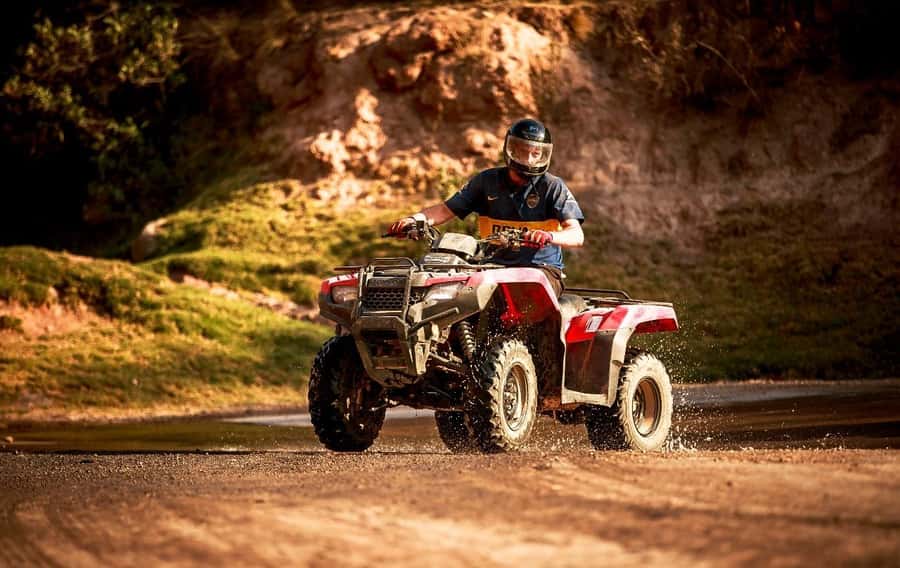
This is a half-day adventure built around one idea: get you off the paved-road rut and into the Sacred Valley scenery on four wheels. You leave Cusco by van, then shift to the quads in the Sacred Valley near Cruz Pata. The total time is listed as 6 hours, but the day feels like it moves at a good pace rather than dragging.
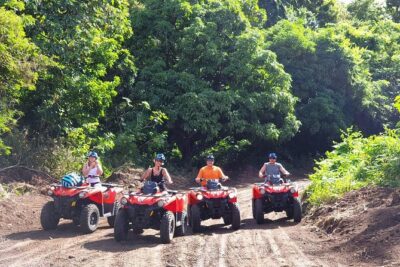
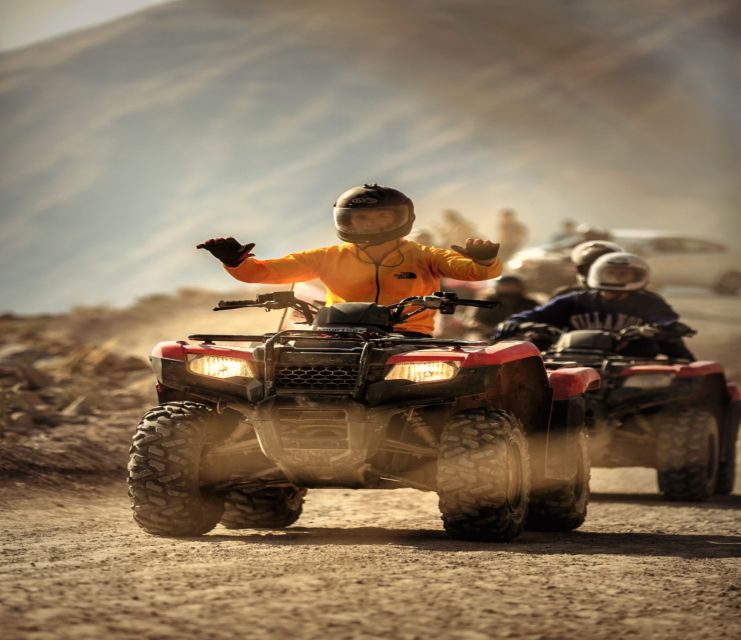
Right away, you’ll get about 15 minutes of ATV training. That matters because driving on uneven dirt roads is a skill, not a vibe. If you pick the single-rider option, you drive your own ATV. If you choose double-rider, you share one ATV—one person drives, the other rides along. Either way, you’ll get safety equipment and a guide to keep you from doing anything dramatic.
Guides like Frank, Edgar, and Rodrigo came up repeatedly for doing the basic stuff well: clear instructions, safety emphasis, and keeping people moving as a group. I like that because quad tours can go sideways when the group is rowdy. Here, the safety briefing is part of the product, not an afterthought.
Cruz Pata to Moray: what the drive teaches you about the region
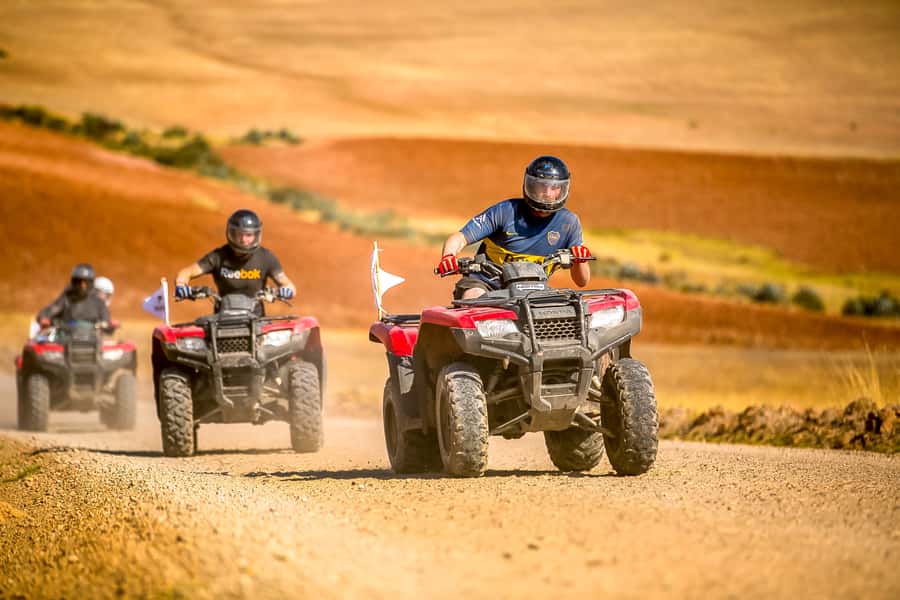
After pickup in central Cusco, the van ride runs about an hour to Cruz Pata. Then you start with that short training session, and soon you’re riding toward Moray. Plan for roughly 1.5 hours of driving to Moray (plus some buffer for practice and regrouping), which lines up with what many riders say feels like a solid chunk of ATV time.
This leg is more than “getting there.” It’s your taste of why the Sacred Valley works as a theme park without the theme-park crowds. You pass through working rural areas, and you’re high enough to feel the altitude air but low enough that the views stay dramatic. A few riders also specifically noted that the route can include small towns, which makes the day feel more connected than just a loop around monuments.
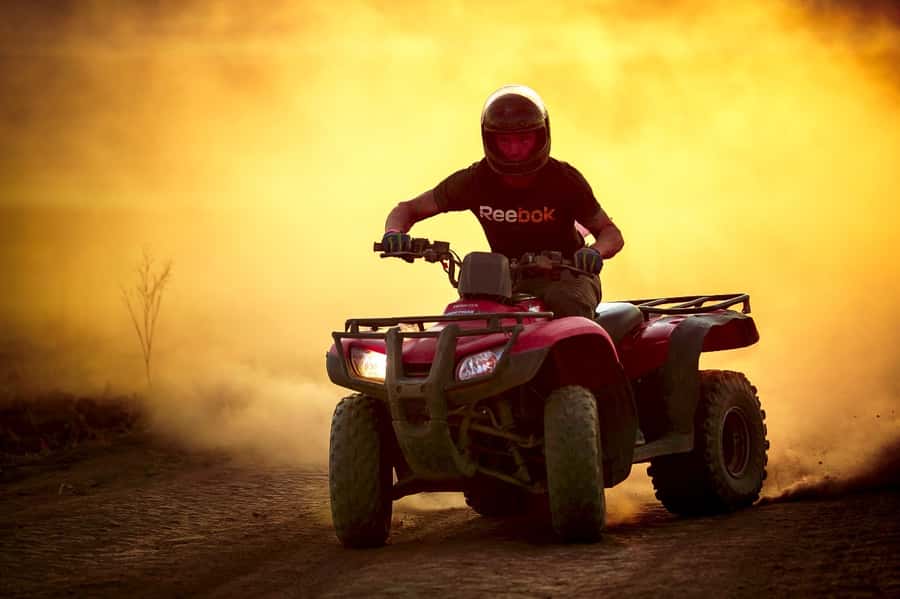
One reality check: expect dirt roads. Multiple riders called out the dust factor. So yes, bring the sunglasses and wear clothes you can wipe off without crying. If you want clean photos, bring a lens cloth and accept you’re going to look like you just helped build the road.
Moray terraces: what you’re seeing and why time can feel tight
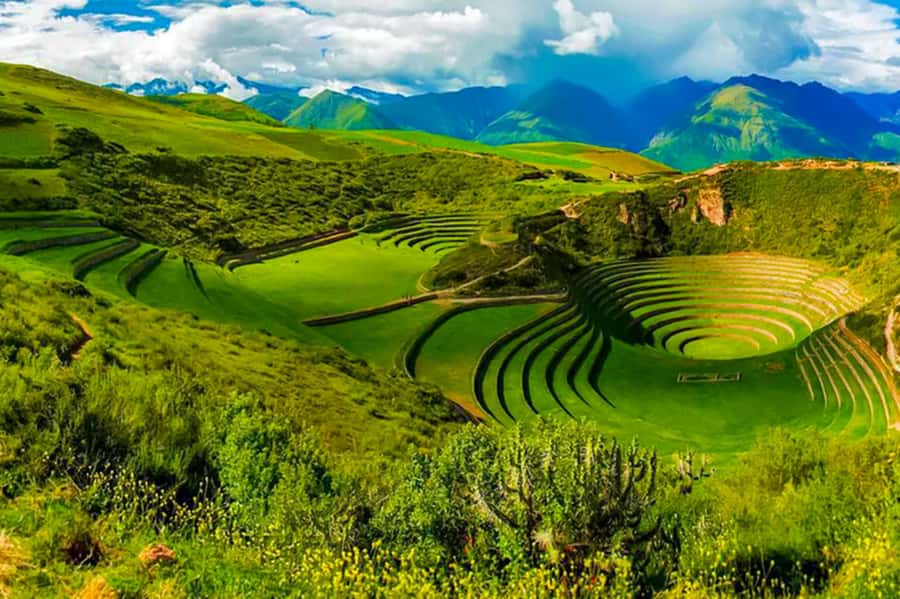
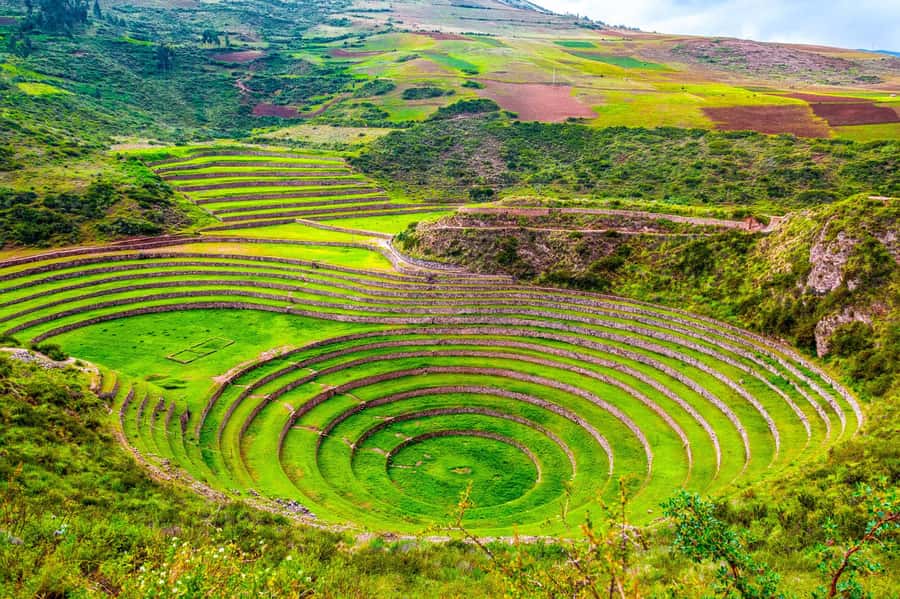
Moray is the stop that most people remember because it looks like something built to play a game. The ruins are agricultural terraces—circles and levels—that the Incas used to test and adapt crop-growing conditions. Instead of seeing one temple and calling it “history,” you’re seeing an agricultural idea made visible in stone.
This part of the day is built around a close look at the terraces. The trip info says you drive to Moray and observe the remains built for crop experimentation. That’s the core value: it helps you picture why the Sacred Valley was worth settling. The terraces weren’t decorative; they were tools.
Now the timing: the tour guide schedule given here doesn’t specify how long you walk around at Moray, and one review did flag that 15 minutes might feel short—especially if you want to go lower into the site and take in the full effect. If you’re the type who reads every sign and wants a slow loop, Moray may feel like a quick chapter.
Still, even with shorter time, the photo angle is strong. The terraces are naturally photogenic, and a good guide will help you position your phone (or GoPro, if you carry one) for shots that don’t look like the usual tourist blur.
Urubamba Mountain views on dirt roads: speed, dust, and photo stops
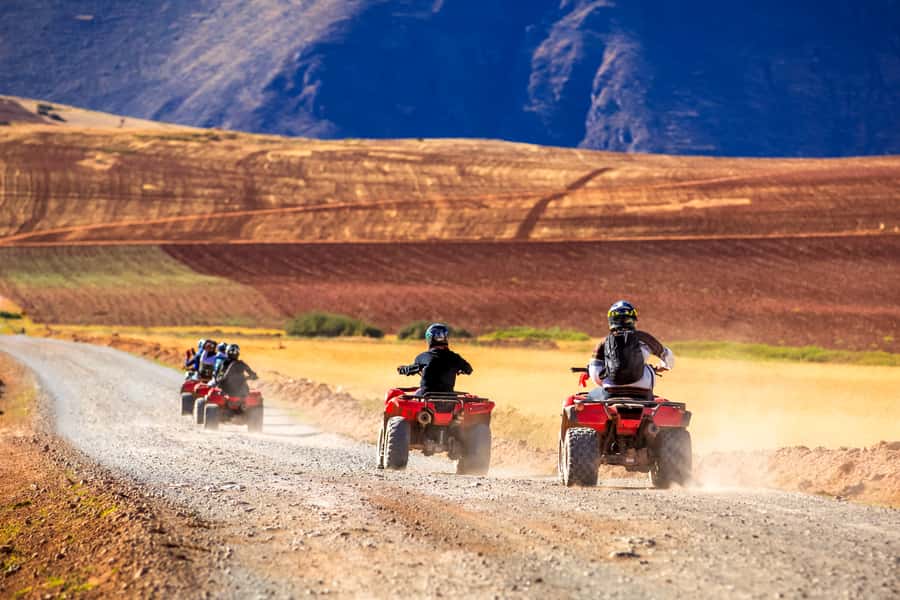
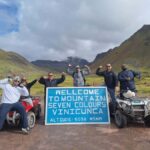
The “wow” factor for most people is the view from the road, not just the ruins. The itinerary specifically calls out Urubamba Mountain range views, and even names a couple peaks you might notice: Verónica and Chicón. You’ll want to look up often, because the best views usually happen right when you’re trying to focus on the next turn.
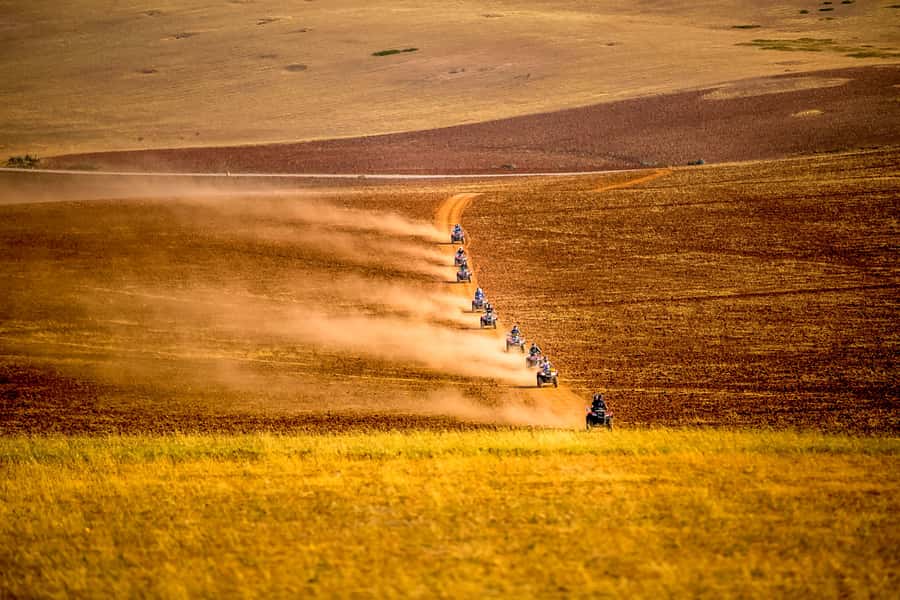
The ride is described by riders as fun and not overly rough. One person said the ATV time was not too rough and that the overall ride length felt just right. Another emphasized that the quad drive doesn’t go too fast, which is good news if you’re new to riding or you’re riding with a passenger.
But again: dust is real. You’ll be out on dirt, and the result is a gritty layer on your sleeves, shoes, and camera straps. Bring long pants and sunscreen, and consider a light rain layer too—weather in the Andes can be moody even when the day looks clear.
Also plan for downtime. The tour includes regrouping and short viewing breaks. Your guide may take photos for you, and some riders praised guides for helping capture shots with their phones. That’s a real convenience if you don’t trust your own timing while riding.
Maras salt mines from the outside: viewpoints and salt product shopping
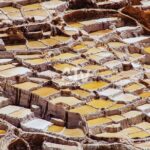
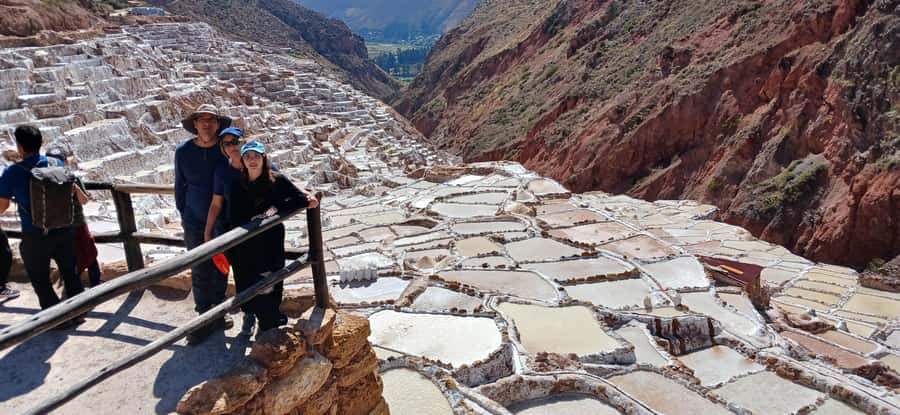
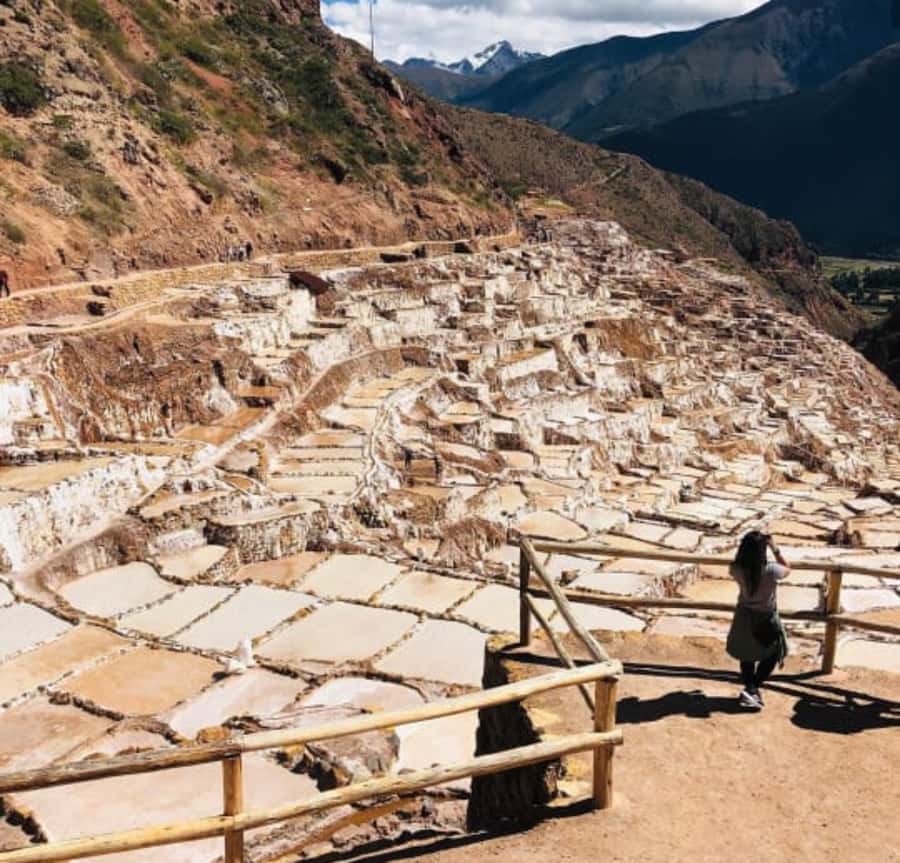
Then you switch from adrenaline to awe. At Maras salt mines, you’ll see the site from the outside only. The tour info is clear that it’s prohibited for safety to drive the ATV to the salt mines themselves. What you get instead is a viewpoint experience plus time to photograph and browse.
The mines are visually unlike most Peru sights. You’re dealing with patterns—rows of salt pans stacked into a hillside—so the best photos come from finding the right angle. The itinerary notes a viewpoint where you can take pictures, and that’s exactly what you should aim for. If your guide is on top of timing, you might catch late-day light that makes the colors pop, which one rider described as a great photo moment.
You’ll also have the chance to buy products made from the same salt found there. That’s a nice add-on because you can turn the visual into something practical. Just know that anything you buy is optional, and it’s separate from the entrance ticket cost.
Price and budgeting: the $39 tour plus about 85 soles in tickets
At $39 per person for a 6-hour guided ATV day, this is positioned as strong value—especially because it includes things that usually cost extra on other tours: hotel pickup, transportation by tourist vehicle, a guide, quad bike time, and safety equipment.
But here’s the budgeting piece that can catch people: attraction tickets are not included. The info gives an estimate of about 85 soles per person. Riders also shared more specific numbers: Moray is about 70 soles, and Maras salt mines about 10 soles. That roughly aligns with the overall estimate.
So I’d plan for the tour cost ($39) plus around 80–85 soles for sites, and bring cash. One rider specifically advised having cash for entrances. If you show up without it, you might lose time while people scramble, and in a half-day tour, minutes matter.
If you’re comparing value, think about what you’re buying: guided access to two major sites, plus substantial ATV riding and training. You’re paying for time efficiency and for the guide doing the organization.
What to pack for quad biking near Cusco (and what will get messy)
This tour gives you a good checklist, and riders confirm you should follow it like it’s a recipe.
Bring:
- Passport or ID card
- Comfortable shoes
- Sunglasses
- Sun hat
- Sunscreen
- Rain gear (because weather changes fast near the Andes)
- Long pants
- Daypack
Then add practical “real life” stuff from rider notes. Wear clothes you can get dirty. One rider stressed that a lot of dirt comes in. If you have a GoPro, it can make the ride memories easier to keep, but you’ll still want to secure it so it doesn’t become a stress device.
Also watch your bag situation. The info says no luggage or large bags, which makes sense for safety and space. A small daypack is ideal. And keep your phone protected—dust + vibrations is not a great combo.
If you want to reduce hassle, keep your valuables minimal. You’re going to ride, stop, and ride again. The day works best when your stuff is easy to reach, dry, and not fragile.
Who should book, and who should skip this quad adventure
This is a good fit for people who want a hands-on day and don’t mind effort. It’s especially suited to:
- Adults who want an active way to see Moray and Maras
- First-time ATV riders who appreciate a training start
- People who like views and photos more than slow museum-style pacing
It may not be the right fit if you have:
- Back problems
- Mobility impairments
- Wheelchair use
- Pregnancy
- Children under 2
And if you’re the type who hates dirt roads, you’ll need to set expectations. Dust shows up. It comes with the deal.
Safety-wise, the tour follows rules: no smoking, no pets, and no ATV driving to the salt mines. One rider also raised a separate issue about insurance not being included. That’s not the same as safety rules, but it is a cost-risk you should consider if you’re nervous about bumps. If you’re worried, ask the provider what coverage (if any) applies, before you commit.
Should you book Sacred Valley: Maras & Moray by Quad Bike?
Yes, if you want an efficient Sacred Valley day that mixes real vehicle time with two top sights, and you like the idea of leaving Cusco, driving the terraces route, then seeing Maras from a proper viewpoint. The included pickup, guide, and ATV training make it feel like a complete package rather than a basic rental.
I’d book it especially if:
- You’re short on time in Cusco but still want Moray and Maras
- You want the day to feel fun and not only educational
- You’re okay with dust and photos that might need a quick wipe afterward
I’d think twice if:
- You want lots of time to wander at Moray (some time can feel brief)
- You dislike dirt roads enough that the mess would ruin your mood
- You’re very risk-sensitive about damage costs, since riders noted insurance may not be included
If you go, bring cash for tickets, wear long pants, and plan to treat the ATV ride as the main event. The ruins are the payoff, and the road is the story between them.
FAQ
How long is the Sacred Valley: Maras & Moray ATV tour from Cusco?
The tour lasts about 6 hours.
How much does it cost?
The price is listed as $39 per person.
What’s included in the price?
Included are transportation by tourist vehicle, hotel pickup in Cusco’s historic center, a guide, the quad bike tour (single or double rider), and safety equipment.
Are attraction tickets included?
No. Tickets to attractions are not included and are listed as approximately 85 soles per person.
Do I ride the ATV to the salt mines at Maras?
No. It is prohibited for passenger safety to drive an ATV to the salt mines. You’ll see the mines from the outside instead.
Can I ride as a single rider or double rider?
Yes. You can choose a single-rider option (you drive) or a double-rider option (you and a partner share one ATV, with one person driving and the other enjoying the ride).
What languages do the guides speak?
Guides speak Spanish and English.
What time of day does the tour run?
The duration is 6 hours, and starting times depend on availability.
What should I bring for the day?
Bring a passport or ID card, comfortable shoes, sunglasses, sun hat, sunscreen, rain gear, long pants, and a daypack.
Is hotel pickup offered?
Yes. Pickup is included from the historic center of Cusco. If your hotel isn’t accessible by vehicle, you’ll be given the nearest meeting point.