REVIEW · CUSCO
Sacred Valley: Huaypoo Lagoon and Maras by Quad Bike – ATV
Book on GetYourGuide →Operated by Peru Andes Top · Bookable on GetYourGuide
One of the best ways to see the Sacred Valley is on four wheels. This quad bike day pairs Huaypoo Lagoon and Maras salt mines with real off-road riding and mountain views. I like that the day starts with a proper drive and training, not just a hand-wavy briefing. A possible drawback: you might spend more time in a vehicle than you expect, especially on the lagoon and transfer portions.
Two things I especially like: you get guided viewpoints for Maras, and the ride to Cruz Pata gives you a sense of place in the valley. The best versions of this tour also feel safe and well-led, with guides like Floyd and Carlos mentioned for their upbeat explanations and photo help. The main tradeoff is time at the lagoon—some folks find it short or underwhelming compared to the riding.
In This Review
- Key Points That Matter Before You Go
- Cusco Pickup to Cruz Pata: Turning a Long Day Into a Real Plan
- ATV Training and Safety: What You’re Really Learning in Those 15 Minutes
- The Scenic Ride Toward Huaypoo Lagoon
- Huaypoo Lagoon Stop: Views, Time Limits, and a Practical Strategy
- Down the Route: A Mix of Riding and Transfers
- Verónica and Chicón: Why These Mountain Views Aren’t Just Pretty
- Maras Salt Mines: The Famous Viewpoint (and the One Thing You Can’t Do)
- What You Get for About $40: Value vs. The Tradeoffs
- Who This Quad Bike Tour Fits Best
- When Guides and Drivers Make the Difference
- Should You Book Sacred Valley Huaypoo Lagoon and Maras by Quad Bike?
- FAQ
- How long is the Sacred Valley quad bike tour?
- How much does it cost, and what’s included?
- Do I need a ticket for the Maras salt mines?
- Is lunch included in the price?
- Can you go inside the salt mines at Maras?
- Where does pickup happen?
- Do I drive the ATV or just ride?
- What language is the tour guide?
- What should I bring?
- Is the tour suitable for children or wheelchair users?
Key Points That Matter Before You Go

- ATV training before you start: you get a quick lesson in how to handle the quad for a safer ride.
- Cruz Pata start in the Sacred Valley: the action begins in the community area before you head to Huaypoo.
- Huaypoo Lagoon stop is brief: it’s a stop, not the full focus of the day for most people.
- Maras salt mines are viewpoint-only: inside access isn’t possible due to preservation.
- Single vs double rider changes the feel: single-rider option puts you in full control of your quad.
- Transfers are part of the day: expect some time in a van/bus between riding and stops.
Cusco Pickup to Cruz Pata: Turning a Long Day Into a Real Plan
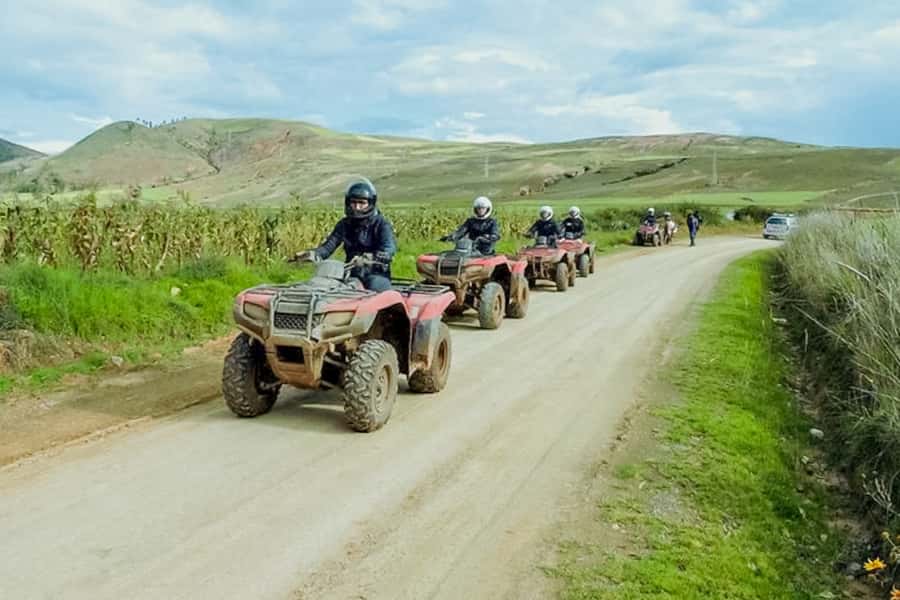
Your day generally begins with pickup from your hotel or a meeting point in central Cusco. The tour also returns you to Plaza de Armas Cusco (or nearby), which is a practical finish after a full 6 hours. Even with the time in transit, the schedule is built around spacing out riding and sightseeing so the day doesn’t feel like a single parking-lot stop.
A key piece here is the first ride: you’ll travel about 50 minutes from Cusco toward Cruz Pata, located in the heart of the Sacred Valley of the Incas. This matters because it helps you ease into the region’s altitude and scenery while the team gets everyone organized.
One real-world note from the experience: pickup and early logistics can vary. Some people were met by a non-English-speaking driver and couldn’t get full clarity right away. The upside is that once the bilingual guide joined, the tour experience improved quickly. So if you value smooth communication from minute one, it’s worth being ready with your confirmation details and a bit of patience early in the morning.
ATV Training and Safety: What You’re Really Learning in Those 15 Minutes
Before the adventure officially starts, you’ll get about 15 minutes of training in Cruz Pata. This isn’t just a formality. It’s your chance to learn how the quad handles and how the group ride will work in practice—especially important if you haven’t driven an ATV before.
Safety equipment is included, and you’ll have a bilingual professional guide with you. In the best versions of the day, the guide manages the route and pace in a way that makes you feel secure and keeps the group from turning into chaos. One guide named Floyd was specifically praised for making people feel safe while helping with pictures and questions.
Another factor is the type of quad arrangement:
- Single rider: you drive the ATV yourself.
- Double rider: you share one ATV with a partner—one drives while the other rides.
That choice is more than comfort. It changes how much fun you’ll have. If you want the full “I’m driving” feeling, the single-rider option is the one to aim for. If you’re more interested in being part of the ride without focusing on control, the double option can still work well—just expect a shared experience.
The Scenic Ride Toward Huaypoo Lagoon

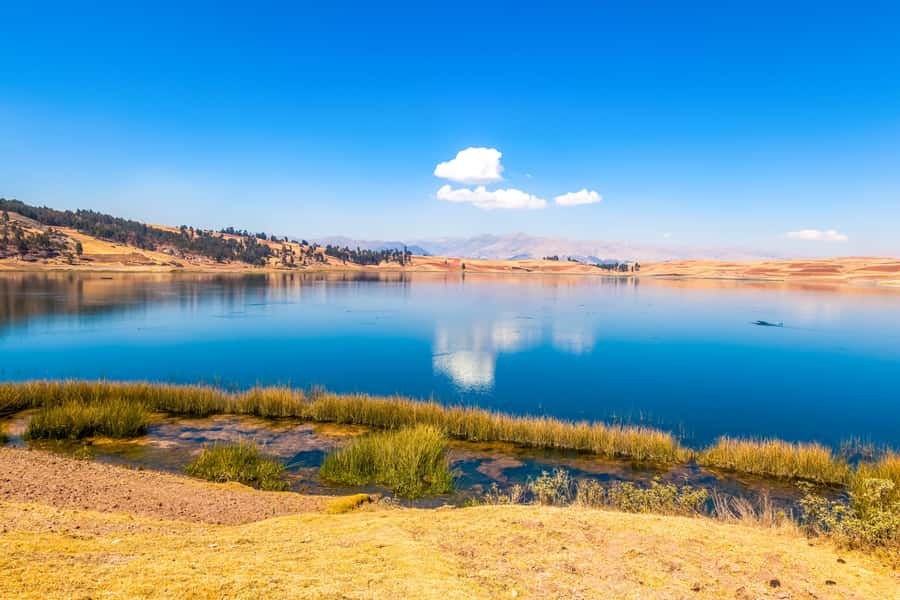
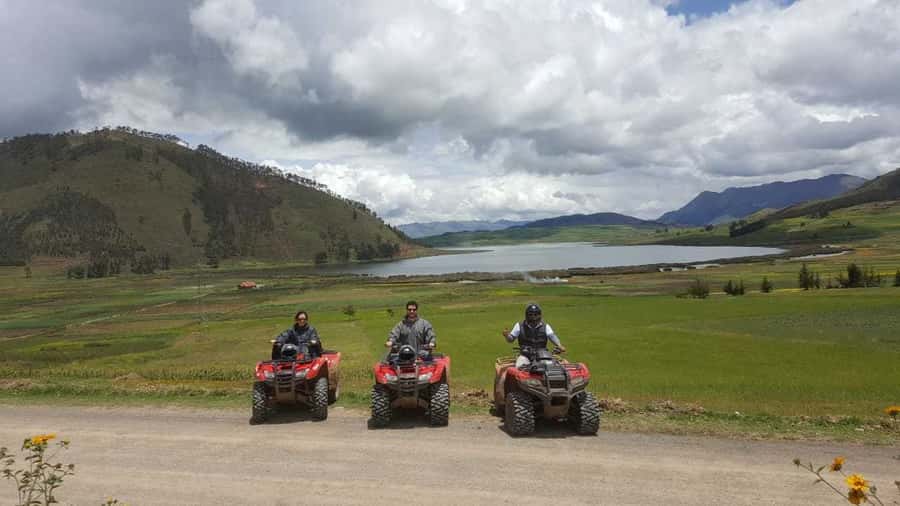
After training, the adventure turns into real driving. The route takes you toward Laguna de Huaypo—a place with stories and legends that people in the region have talked about for years. On the way, you’ll be able to spot mountain scenery, including the mountains of Verónica and Chicón.
This part of the tour is where the day feels most “ATV.” Even if your group ride moves at a conservative pace, you’ll still get the payoff: open views, changing ground, and the sense that you’re traveling through the Sacred Valley instead of just touring it.
About that lagoon stop: the experience is designed as a stop along the way, not an all-out lagoon visit. Some people described it as more of a quick restroom-and-photo pause than a standout attraction. Still, if you’re expecting a short scenic break and you’re happy to move on quickly, it can fit the day perfectly.
Huaypoo Lagoon Stop: Views, Time Limits, and a Practical Strategy
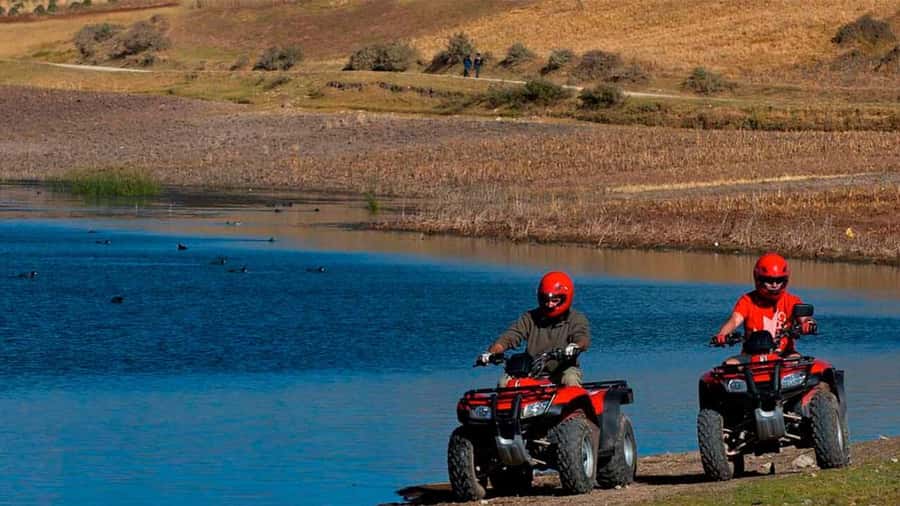
Here’s the honest way to think about Laguna de Huaypo: it’s there to give you a moment with the scenery, and it’s placed early enough that you don’t burn the whole day waiting around. The tradeoff is that you shouldn’t plan on a long, slow soak in the views.
If you tend to linger—chatting, exploring, taking lots of photos—build a little “time cushion” into your expectations. When the schedule is tight, the lagoon stop can feel short. And once you move on, you won’t have that same chance again.
A smart approach is to use those lagoon minutes like a pro:
- Take your main photos fast.
- Decide in advance what you want most (wide view vs. close details).
- Keep your gear ready so you don’t lose time searching for your phone or camera.
This way, even if the stop feels brief, you still leave with what you came for: the feeling of being in the region and seeing Huaypoo as part of a larger day.
Down the Route: A Mix of Riding and Transfers
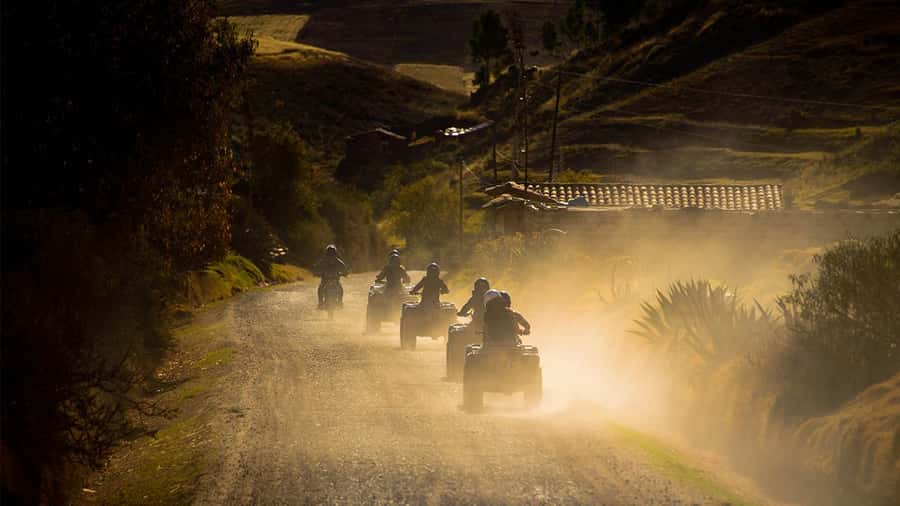
One thing that shapes the whole experience is the ratio of ATV time to vehicle time. The day includes riding to the next phase, then time in a tourist vehicle between major stops.
In the itinerary flow, you’ll ride down the path that takes you toward Riobamba, then you’ll switch to a bus ride to reach Maras. That switch is normal for tours in this region because it’s the practical way to connect different areas without trying to do everything by quad.
Some people found this mix limiting, especially when the group ended up spending more time in the van than doing active parts of the tour. If you’re sensitive to that, choose the quad arrangement that maximizes your own driving time and be ready for intermittent “sit and watch” segments.
Verónica and Chicón: Why These Mountain Views Aren’t Just Pretty
The mountains of Verónica and Chicón appear during the route, and they’re worth paying attention to even if you don’t know every detail about the peaks. Why? Because the Sacred Valley’s scale can be hard to grasp when you’re only looking at one viewpoint at a time.
While you’re riding or in transit, these views help you understand what you’re traveling through: valleys with strong altitude presence, big sky days, and terrain that feels built for roads and trails rather than casual wandering.
If you enjoy photography, this is a good time to keep your camera accessible. Mountain views often look best when you catch them suddenly—not after you’ve already settled into “photo later” mode.
Maras Salt Mines: The Famous Viewpoint (and the One Thing You Can’t Do)
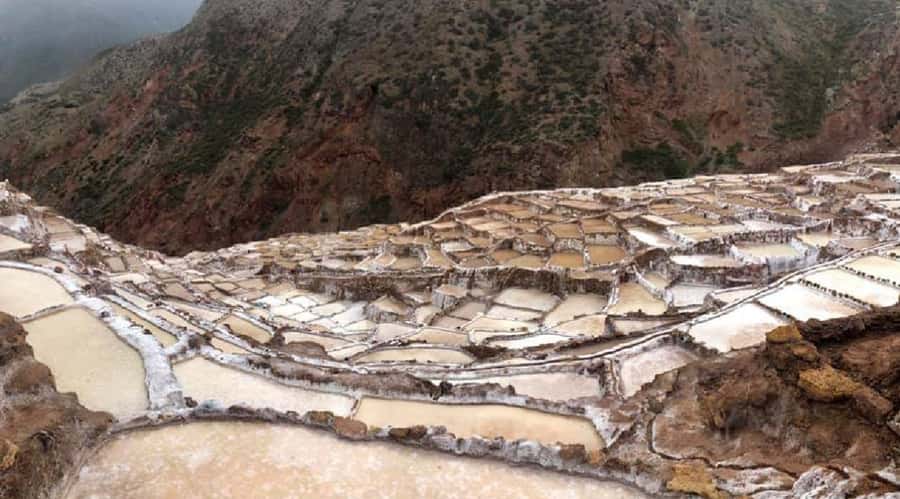
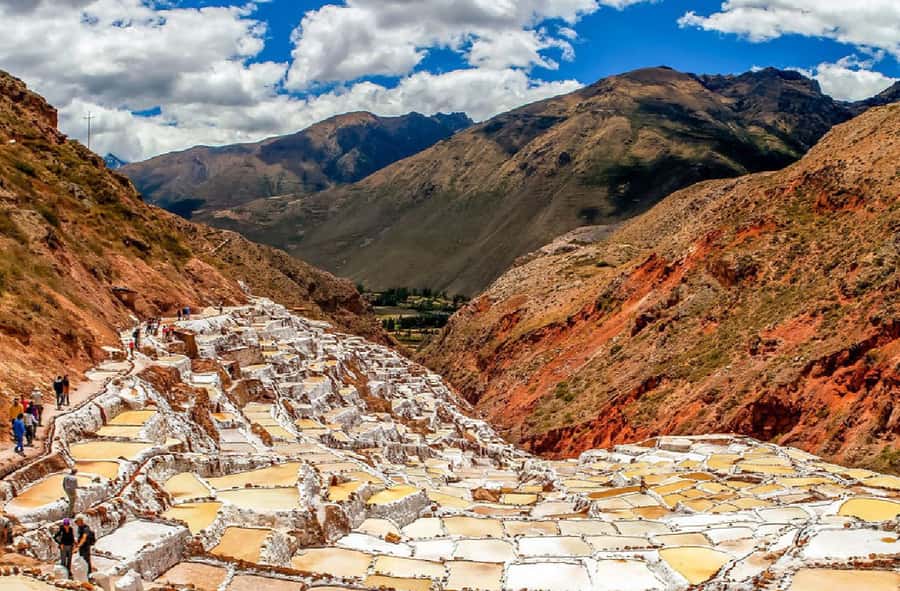
Next up is Salineras de Maras, the famous salt mining area. The tour focuses on seeing the mines from a viewpoint, and it’s followed by the option to purchase salt products sold there.
Important detail: you can’t access inside the mines. Preservation limits are in place, so the experience is designed around viewing and learning from the guide rather than exploring the interior channels yourself. In practice, that means you should treat this as a guided “see it and understand it” stop, not a full hands-on mine tour.
Some people felt Maras time was very short—fast explanation, quick photo moments, then shopping. Others described the explanation as clear and said they had enough time to see the salt area and grab pictures. Your takeaway: plan to prioritize photos early and browse salt products quickly after.
If you’re a detail-oriented shopper, it helps to know you’ll likely be offered salt items in the marketplace area. You won’t have time for a slow comparison across dozens of stalls, so have a budget and pick the items that matter to you.
What You Get for About $40: Value vs. The Tradeoffs
At roughly $40 per person for a 6-hour experience, you’re paying for more than just “a ride.” You’re getting:
- Pickup from central Cusco hotels/meeting point and return near Plaza de Armas
- A quad bike tour with a bilingual guide
- ATV safety equipment
- Transportation in a tourist vehicle
- Single or double rider quad options
What’s not included is also part of the value math. You’ll need to budget for the Salineras ticket (S/15), plus lunch and travel insurance. For many people, that S/15 entry fee is a straightforward add-on, but it’s still an extra cost you’ll want to plan for.
So who gets strong value? People who want a guided ATV day without paying for a more expensive private excursion. It’s also a good value if you’ll use the guides’ help for photos and explanations—those small pieces can genuinely change how much you take in from Maras and the lagoon.
Who might feel it’s less value? If you mainly came for extended lagoon time or constant quad riding with zero waiting, the schedule’s built-in transfers may feel like friction.
Who This Quad Bike Tour Fits Best
This is a great fit if you:
- Want an active way to see the Sacred Valley rather than a sit-and-stare day
- Feel comfortable driving an ATV (especially with the training)
- Like scenic stops with guided context
- Are okay with quick-to-moderate time at each major attraction
It’s not a match if you:
- Need mobility-friendly access (it’s not suitable for people with mobility impairments or wheelchair users)
- Are traveling with kids under 15
- Don’t want to handle driving yourself (if you choose single rider) or don’t want shared ATV control (if you choose double rider)
Also note the rules: no pets, no smoking, and no luggage or large bags. You’ll want to travel light so you can manage your day comfortably.
When Guides and Drivers Make the Difference
A tour is only as good as the team that runs it. This one can feel smooth once the bilingual guide is fully on board, and the early experience can depend on how pickup and meeting play out.
Two guide names came up in the experiences: Floyd and Carlos. Floyd was described as top-class and friendly with a strong focus on safety and photo help. Carlos was praised for enthusiasm and for explaining the salt mine well, though some people felt the Maras timing was tight.
If you’re the kind of person who needs calm, clear communication from the start, make sure you:
- Confirm your pickup point the night before
- Keep an ID/passport ready
- Have your phone charged for quick contact if the first meeting is confusing
Even in a less-than-perfect pickup scenario, the core of the day is still led by a bilingual guide once you’re aligned.
Should You Book Sacred Valley Huaypoo Lagoon and Maras by Quad Bike?
If you want a fun, guided ATV day that combines Huaypoo Lagoon and Maras salt mines in about 6 hours, I’d say this is worth considering. The biggest strength is the mix of active riding plus guided access to the region’s top sights, including those mountain views of Verónica and Chicón.
Book if you’re excited to drive (single rider if you can), you’re okay with short stops, and you don’t mind some vehicle time between segments.
Skip or rethink it if you’re mainly chasing a long, slow lagoon experience or you want nonstop quad riding with no waiting. In that case, the schedule may feel like it’s taking you away from the quad just when you’re getting into it.
FAQ
How long is the Sacred Valley quad bike tour?
The duration is about 6 hours.
How much does it cost, and what’s included?
It’s listed at $40 per person and includes hotel pickup in central Cusco, a quad bike tour (single or double rider), a bilingual guide, safety equipment, a tourist vehicle, and return to Plaza de Armas Cusco or nearby.
Do I need a ticket for the Maras salt mines?
Yes. Salineras de Maras tickets are not included (S/15).
Is lunch included in the price?
No, lunch is not included.
Can you go inside the salt mines at Maras?
No. Due to preservation issues, it isn’t possible to access inside the mines. The tour includes viewing from a viewpoint.
Where does pickup happen?
Pickup is included from hotels and establishments in the center of Cusco. If your hotel is outside the historic center or not accessible by vehicle, the closest meeting point will be provided.
Do I drive the ATV or just ride?
If you choose the single-rider option, you drive the ATV yourself. If you choose the double-rider option, you and a partner share one ATV: one person drives and the other enjoys the ride.
What language is the tour guide?
The live tour guide offers English and Spanish.
What should I bring?
Bring a passport or ID card, comfortable shoes, sunglasses, a sun hat, sunscreen, water, rain gear, and long pants.
Is the tour suitable for children or wheelchair users?
No. It’s not suitable for children under 15, people with mobility impairments, or wheelchair users.