REVIEW · ZANZIBAR
Zanzibar: Quad Bike Adventure Tour to a Local Village
Book on GetYourGuide →Operated by Zanzibar Quad Adventure · Bookable on GetYourGuide
Quads, villages, spices, then sand. This 4-hour Zanzibar adventure mixes off-road quad fun with firsthand village life in Unguja South Region. I like the way it’s active and scenic, and I really value the spice-and-fruit village stops that explain daily life instead of just passing by.
You’ll start on the main road, then leave the tarmac quickly for rice fields and dirt tracks. One heads-up: the tour asks for modest dress and no sandals, so you’ll want closed shoes ready for dust and heat.
In This Review
- Key things I’d center in your decision
- A 4-hour quad ride that actually reaches village life
- Meeting up, gearing up, and how the ride feels in practice
- Leaving the tarmac: rice fields, village context, and a “why this matters” lesson
- The local village stop (about 1 hour): meeting people the right way
- House of Mad and spice know-how: what you learn beyond the photos
- Pwani Majangani and the fishermen’s area: rural inland vs coastal community
- Price and value: $153 per quad can be fair if you split the quad
- Quad math that matters: how to book the right number of bikes
- Who this tour suits (and who should skip it)
- Small things to bring that make the day smoother
- Food and gifts: a meaningful option, not a requirement
- Guides: clear instruction and a human vibe
- Should you book Zanzibar Quad Adventure?
- FAQ
- Is pickup and drop-off included from my accommodation in Kiwengwa?
- How long is the quad bike adventure?
- What is included in the price?
- Is the price per person or per quad bike?
- How many people can fit on one quad?
- Are there rules about what I can wear?
- What should I bring with me?
- What language are the guides?
- Is this tour suitable for children or pregnancy?
- Can I cancel for a refund?
- Can I reserve now and pay later?
Key things I’d center in your decision
- A real village visit (about 1 hour): time with community members, including kids, not just a quick photo stop
- Spice education you can taste: cinnamon, cloves, lemon grass, and more grown by locals
- Fruit sharing built into the plan: you’ll be offered tropical fruit like madafu and seasonal varieties
- Off-road time stays substantial: after a short road section, you’ll ride dirt, sand, and fields for most of the tour
- Beach is brief but included: you’ll reach a fishermen’s area near Pwani Majangani and end with a stop on the shore
- Book by quads, not just headcount: the operator prices per quad bike and caps how many riders fit per quad
A 4-hour quad ride that actually reaches village life

This isn’t a sit-and-watch cultural show. It’s a moving day on a quad bike, with stops that put you in contact with how people live on the island—away from the easiest tourist loops.
The pace is the big hook: you’re out for about 4 hours, you spend real time on dirt roads and through rural areas, and you get guided context at the moments that matter. The tour is built around three themes: riding through the island’s inland mix of rice fields and plantations, meeting a local village community, and then ending near the coast with a fishermen’s village and beach stop.
If you like your Zanzibar experiences to feel hands-on (and a little dusty), this is a strong fit.
Meeting up, gearing up, and how the ride feels in practice
You meet your guide at the office of Zanzibar Quad Adventure, then you drive to the start area along the main road toward Pwani Majangani. From there, you’ll get set up with the essentials included in your price: a helmet, the quad bike, and petrol.
A couple practical things matter here:
- Expect off-road after a short warm-up. You ride on the main road for about 4 km first, then leave the tarmac.
- Get ready for heat and sun. Even though the ride is only about 4 hours, you’ll be outdoors most of the time.
- Closed shoes are not optional. You can’t wear sandals/flip flops, and bare feet are also not allowed. Plan footwear that can handle dust and a bumpy ride.
In the same spirit as the best small-group tours, the guides focus on clear instructions before you head into rougher sections. That matters because you’ll be switching from smoother surfaces to rice-field paths and sandy tracks.
Leaving the tarmac: rice fields, village context, and a “why this matters” lesson
After a brief stop by a local shop, where you can buy food to offer the village as a present, the tour turns off the tarmac and goes into the off-road parts of the island. This is where you’ll feel the day shift from transport to experience.
One stop is especially useful: about 15 minutes in the rice fields, where your guide explains the local economy, culture, and village habits. This isn’t just trivia. It helps you understand what you’re seeing as you move through inland Zanzibar—why crops and daily routines shape life, and how communities organize their work and interactions.
It also sets you up for the village visit so it feels less like tourism and more like learning how people live.
The local village stop (about 1 hour): meeting people the right way
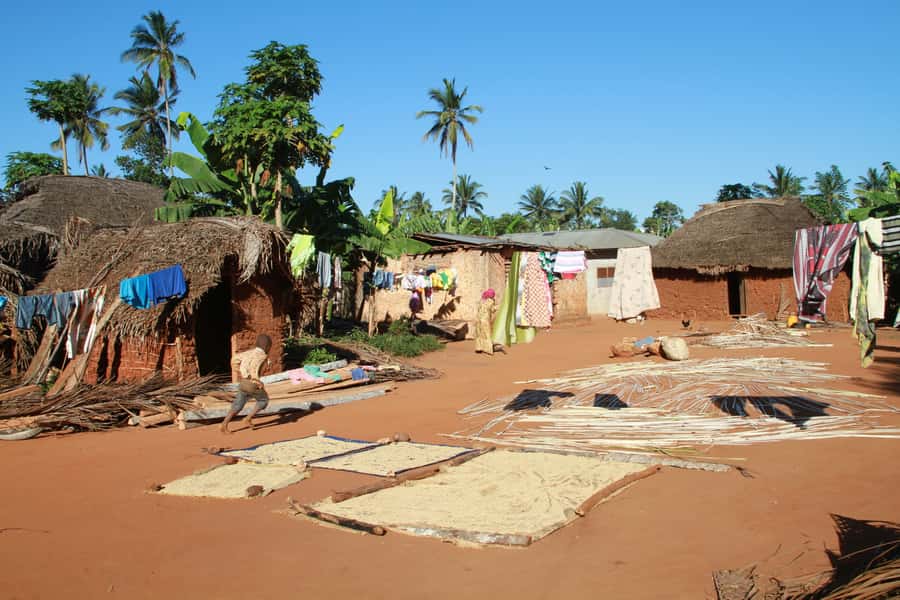
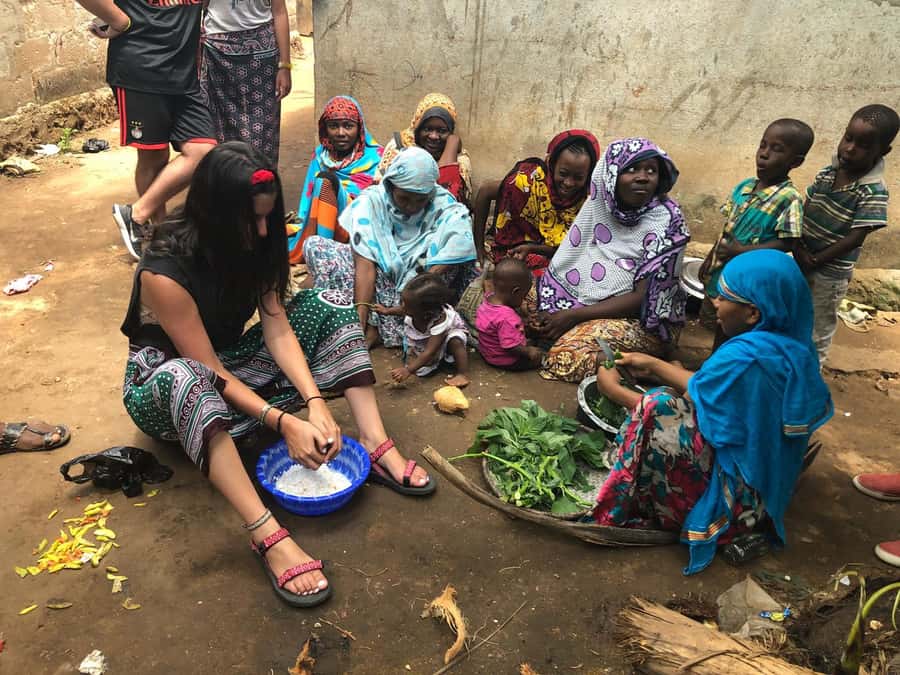
The most important part of the day is the village visit. You arrive and you’ll spend about an hour in the community.
Here’s what that time typically looks like:
- You can stay with the children and play with them.
- You get guided contact with the community, not just a roadside view.
- The guide helps you understand what you’re looking at while keeping the pace human and respectful.
A big strength of this stop is that you’re not rushed through it. An hour gives time to see how village life flows—small moments, conversations, and the everyday rhythm that photos don’t capture.
After your first contact, you’ll be offered local fresh fruits, including madafu and seasonal tropical fruit. It’s a simple touch, but it lands well because it connects food with place.
One note to consider: you may see poverty or a rougher side of daily life than what you’re used to on Zanzibar’s more resort-heavy areas. The tour won’t sugarcoat it, so bring patience and an attitude geared toward respectful interaction.
House of Mad and spice know-how: what you learn beyond the photos
Next up is a stop at the House of Mad, described as a typical home in the rural village. Your guide discusses life and culture of Zanzibarian people here, and this is where the tour shifts from meeting to understanding.
This part matters because it’s one thing to meet people. It’s another to understand how homes, family life, and local choices connect to the economy you heard about earlier in the rice fields.
Then the tour heads into plantations. You’ll visit spice-growing areas, including:
- cinnamon
- cloves
- lemon grass
- and other varieties cultivated by local people
If you cook, this stop can be surprisingly practical. You see ingredients you normally buy in bottles or packets as living plants, growing where people care for them year after year.
Pwani Majangani and the fishermen’s area: rural inland vs coastal community
On the way back, you ride toward Pwani Majangani and stop in the fishermen’s village area. There’s a short explanation about the difference between rural village life inland and community life on the coast.
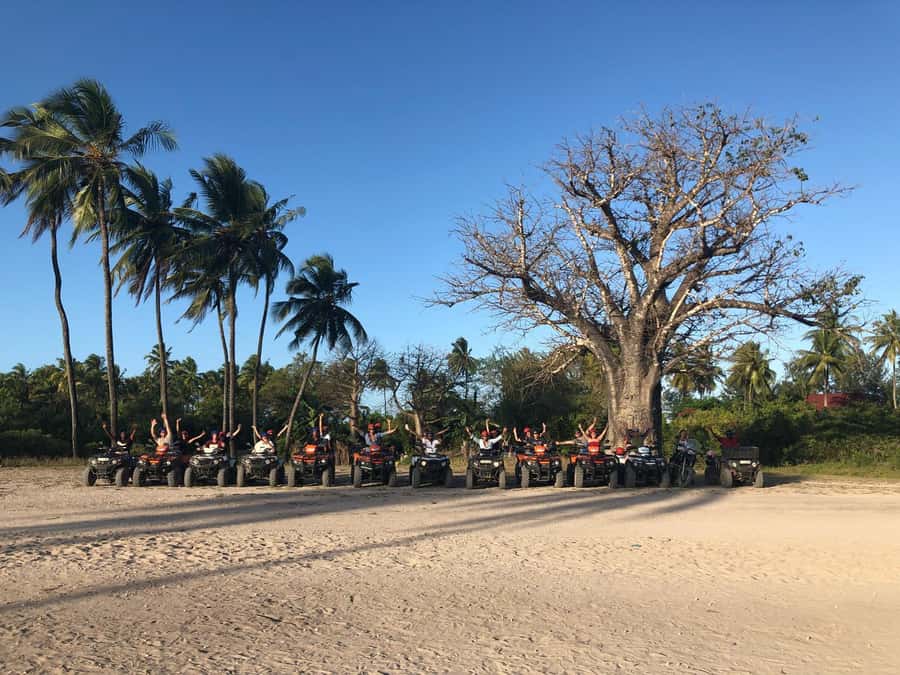
You’ll then follow a sand road passing the fishermen’s houses, and arrive at the beach for a brief stop before heading back toward the starting point.
That coast contrast is a nice payoff. After rice fields, inland homes, and spice plantations, it’s useful to end near the water where daily work looks different and the sea shapes livelihoods.
The beach stop is short—think quick breathing space and photos—so don’t count on it as a full beach day. Still, it helps round out the ride with a sense of geography and change of scenery.
Price and value: $153 per quad can be fair if you split the quad

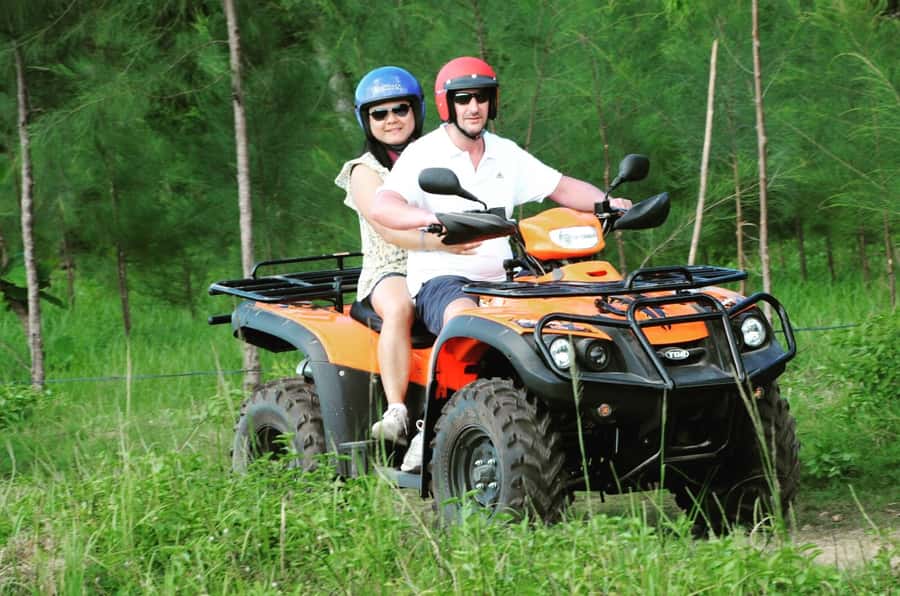
The listed price is $153 per group up to 2, and the key detail is that pricing is calculated per quad bike. Each quad can have 1 or 2 passengers.
So the value question comes down to your group setup:
- If you ride with another person and share one quad, you’re effectively splitting the cost for the bike, helmet, petrol, fruit, and a live guide for the full 4 hours.
- If you’re booking solo, the cost structure may mean you’ll need to secure a quad for yourself.
Either way, what you’re paying for isn’t only transportation. It includes:
- the quad bike experience (including petrol and helmet),
- a live guide who explains stops,
- fruit tasting.
And you’re getting a route that combines off-road riding, village contact time, a typical home stop, spice plantations, and a final coastal area beach moment.
If your travel style is more “I want to see Africa, but comfortably,” you might find this too active. If you like action plus real contact, it’s a solid use of half a day.
Quad math that matters: how to book the right number of bikes

This part is worth your attention because it affects comfort and group size.
You should book by the exact number of quads:
- 1 quad: max 2 pax
- 2 quads: max 4 pax
- 3 quads: max 6 pax
- 4 quads: max 8 pax
- and so on, up to a maximum group of 8 quads (16 people)
Each quad holds 1 or 2 passengers. If your group is larger than expected, you don’t want everyone squeezed into fewer bikes than planned, or you may end up with an uneven experience.
When you book, check that the quad count matches your passenger count and who will ride together.
Who this tour suits (and who should skip it)

This is best for you if:
- you’re comfortable with off-road riding and bumps,
- you want village contact time that includes interaction with kids,
- you want spice education that ties directly to everyday life,
- you enjoy active sightseeing more than slow, seated tours.
Skip it if:
- you’re pregnant,
- you need mobility assistance,
- or you’re traveling with a child under 3.
And if you’re not used to riding in heat, make sure you pack water and plan for sun protection.
Small things to bring that make the day smoother
The tour specifically asks you to bring:
- sunglasses
- sunscreen
- camera or video recorder (if you want to document the day)
Also, for a better quad day, I’d add one simple rule: wear comfortable clothes that still allow you to dress modestly, keep your shoulders and legs covered as needed, and choose footwear that won’t slip or get wrecked in dust.
You’re also not allowed alcohol or drugs during the experience. Keep it simple.
Food and gifts: a meaningful option, not a requirement
The tour includes fruit tasting and sharing, and there’s also a chance to buy food at a local shop before the village stop so you can offer a present.
Some groups also plan ahead for kids with small items. If you want to do that, keep it light and respectful, and avoid turning it into a performance. The village time is for connection first.
The best gift is usually attention: being calm, friendly, and following your guide’s lead.
Guides: clear instruction and a human vibe
A strong theme in the experience is the guide’s role—both for safety and for making sense of what you see.
Many people mention guides who bring both energy and explanations, with names like Hussain, Poonie, Husan, Peno, Ebra, Hussein, Ibrahim, Musa, Mussa, and Abib showing up as part of different tours. That’s a good sign that the operator isn’t only focused on driving; the guide’s job is to turn a ride into understanding.
If you speak English or Italian, you’ll be in good hands since these are the available guide languages.
Should you book Zanzibar Quad Adventure?
Book this tour if you want an off-the-beaten-path Zanzibar day that mixes quad biking with real village interaction, spice learning, fruit tasting, and a coast finish. It’s especially worth it when you can share a quad with one other person and split the cost.
Don’t book it if you’re expecting a relaxed, low-activity tour, or if you can’t meet the footwear and modest-dress requirements. Also, if you’re fragile about rougher realities of life, go gently and keep your interactions respectful.
If you like active travel and want to see Zanzibar beyond the resorts, this is one of the better values for your time.
FAQ
Is pickup and drop-off included from my accommodation in Kiwengwa?
No. Pickup and drop-off from your accommodation in the Kiwengwa area is not included.
How long is the quad bike adventure?
The duration is 4 hours.
What is included in the price?
You get a helmet, petrol, the quad bike, a live guide, and tropical fruit.
Is the price per person or per quad bike?
It’s calculated per quad bike, and each quad can have 1 or 2 passengers.
How many people can fit on one quad?
A single quad holds a maximum of 2 passengers.
Are there rules about what I can wear?
Yes. Sandals or flip flops are not allowed, and bare feet are also not allowed. The tour also asks for modest dress.
What should I bring with me?
Bring sunglasses and sunscreen, plus a camera or video recorder if you want to capture the stops.
What language are the guides?
The live tour guide operates in English and Italian.
Is this tour suitable for children or pregnancy?
It is not suitable for children under 3 years, pregnant women, or people with mobility impairments.
Can I cancel for a refund?
Yes. You can cancel up to 24 hours in advance for a full refund.
Can I reserve now and pay later?
Yes, the tour offers reserve now and pay later, so you can book without paying immediately.