REVIEW · MONTEGO BAY
Rastafari Cultural ATV Community Experience from Montego Bay
Book on Viator →Operated by Rastasafari Experience · Bookable on Viator
ATVs and community history in Jamaica, together. I love the Roaring River welcome (blue mountain coffee and fresh juice) and I love the homemade lunch made with market produce. One thing to plan for: you’ll need a valid driver’s license if you want to drive the ATV yourself.
This outing is built around real rural stops, not just a loop around the countryside. I’m a fan of how the guides (like Gilbert, Ali, and Owen in the stories I’ve gathered) explain what you’re seeing as you go, including a swim in a natural mineral pool and a visit to a working ganja field.
From Montego Bay, you’ll ride in a private shuttle and spend about 75 minutes getting to the Roaring River area, then enjoy roughly 2 to 3 hours of active touring. At $164.59 per person, it’s priced like an experience with multiple stops, guides, and included meals, not just a short ATV spin.
In This Review
- Key things that make this ATV + Rastafari experience worth your time
- Getting from Montego Bay to Roaring River feels organized
- Coffee roasting, fresh juice, and a quick community orientation
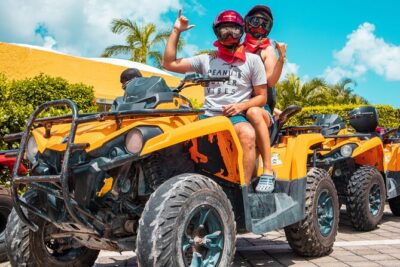
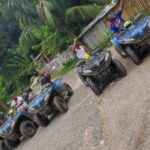
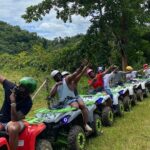
- The ATV ride: uphill roads, forest and farm tracks, and planned stops
- Swimming in the natural mineral pool is the mid-ride reset
- Ganja field discovery and fruit tasting: cultural learning, guided and structured
- Lunch back at base: homemade, market produce, and filling
- Small group energy (and how max 24 affects your day)
- Price and value: $164.59 isn’t cheap, but it’s built-in
- Safety and the one requirement you must not ignore: your license
- What the experience is really like day-to-day
- Who should book this (and who should think twice)
- Should you book RastaSafari Cultural ATV from Montego Bay?
- FAQ
- How long is the Rastafari Cultural ATV experience?
- Is hotel pickup and drop-off included?
- Do I need a driver’s license to drive the ATV?
- What food is included?
- Is alcohol included?
- What’s the maximum group size?
- What happens if the weather is poor?
Key things that make this ATV + Rastafari experience worth your time
- Roaring River coffee and fruit-juice start: You’re welcomed with locally roasted blue mountain coffee and a freshly blended juice before the ATV part.
- ATV riding with real countryside tracks: Forest, farms, and farm paths that most people can’t find on their own.
- A natural mineral pool swim stop: You stop to cool off in a local swimming spot along the route.
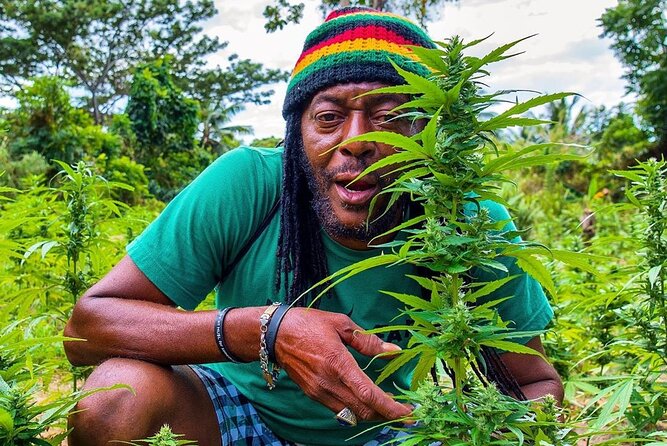
- Ganja field discovery: You get a guided look at a working ganja field as part of the cultural storytelling.
- Lunch made on-site: A homemade meal prepared with fresh market produce, served after the ride.
- Driver’s license needed to drive: If you want to handle the ATV, bring your valid license.
Getting from Montego Bay to Roaring River feels organized
Montego Bay to Westmoreland Parish is a haul, and you’ll feel it—so the smart move is to treat the ride there as part of the day. Pickup runs from hotels in Montego Bay via a private, clean shuttle, and you head out for about 75 minutes to reach the Roaring River staging area.
Once you arrive, the first guide helps set the tone right away. You’ll be welcomed by locals, guided through what you’ll do next, and shown practical basics like where bathroom facilities are. That early structure matters when you’re about to drive an ATV over bumpy tracks.
Coffee roasting, fresh juice, and a quick community orientation
Before the ATV engines start, you get a short cultural introduction. In the Roaring River village area, you’ll meet the local team and get to see coffee being roasted, including blue mountain coffee, then sip a freshly blended fruit/vegetable juice.
Next comes a short hike with your first guide, focused on local history and culture—specifically the Rastafari cultural community in that Roaring River area. You’re not just hearing facts for the sake of it; you’re getting context so the later stops make more sense.
This is also the moment to settle into the day. You can use the bathroom before you start riding, and you’ll see what the staging location is like so there are fewer surprises once the adventure begins.
The ATV ride: uphill roads, forest and farm tracks, and planned stops
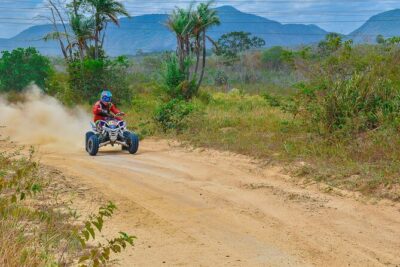
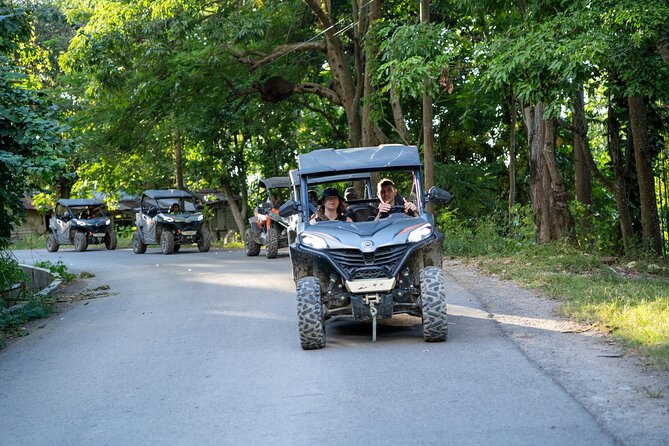
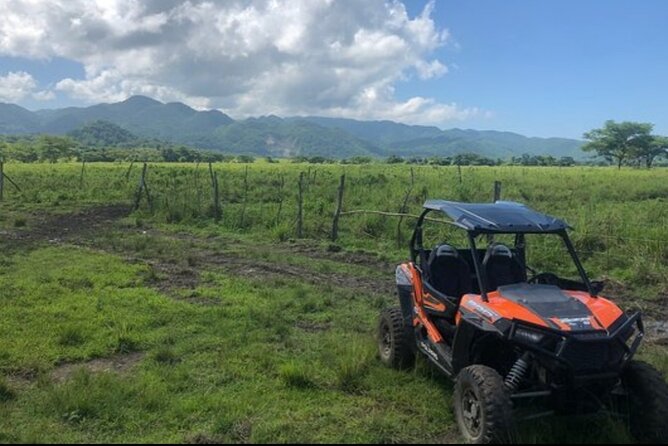
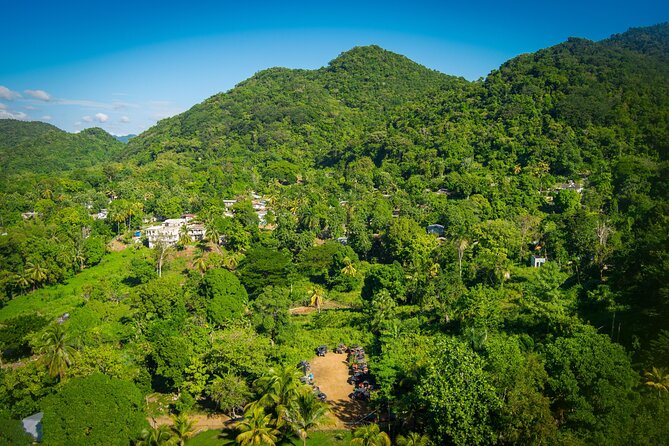
The ATV portion starts after a briefing from your second guide. The ride begins with an uphill road that takes you into lush forestry, farms, and tracks. It’s not described as a race, and in practice you’ll likely feel two speeds: the faster “fun” moments and the slower “look-and-learn” moments when the guides stop to explain what you’re seeing.
One reason this works well is that the route is built around stops. You’ll have multiple planned moments along the way rather than just riding until you’re tired. That keeps the day feeling like a guided tour, not only a vehicle rental.
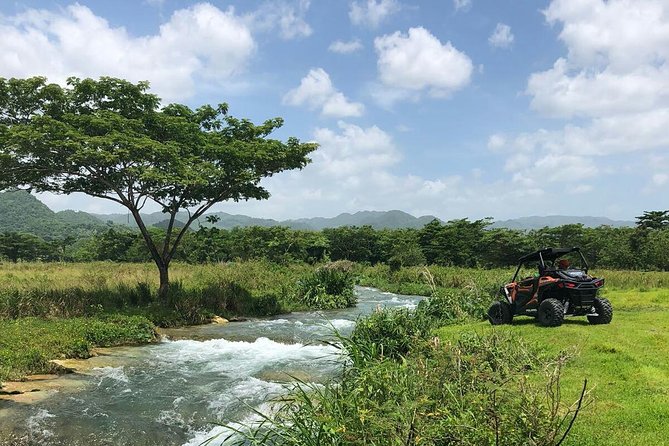
As you go, expect countryside visuals like working plots, small paths, and the kind of routes that are hard to navigate independently. This is where a guided ATV becomes more than an adrenaline activity—it turns unfamiliar roads into stories you can actually follow.
Swimming in the natural mineral pool is the mid-ride reset
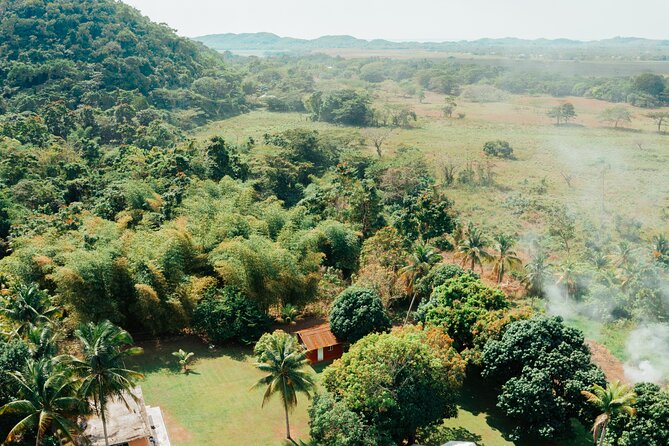
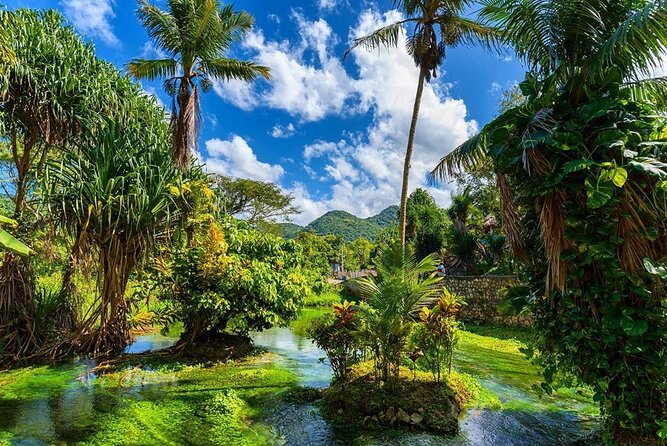
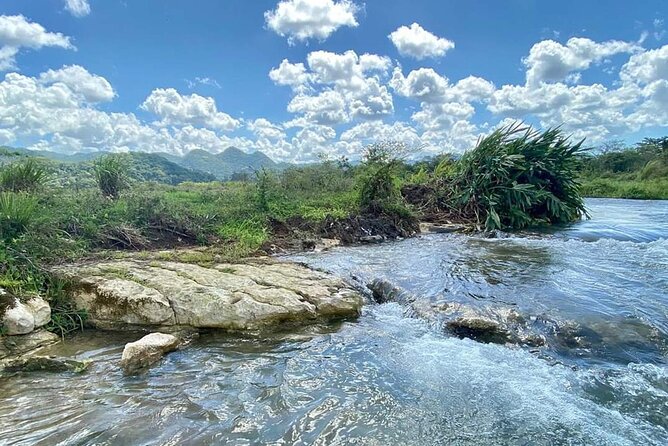
At least one of your key stops is a swim in a natural mineral pool. The timing usually lands when you’re out on the ride, so you get a break from the heat and the dust.
Plan for this stop as a real swim moment, not a quick dip. Bring swim-ready gear if you have it, and if you don’t, ask your guide or driver what people typically use locally. One of the practical takeaways from the experience is that staff can sometimes help solve small issues on the spot—like finding water-shoe solutions—so don’t stress too early, but do think ahead.
Also, keep in mind that because you’re outdoors, rain and weather can change the feel of the day. The experience runs in good weather when possible, and if weather conditions aren’t right, you’ll be offered a different date or a refund (per the stated policy).
Ganja field discovery and fruit tasting: cultural learning, guided and structured
After the swim stop, the route includes a ganja field discovery and fruit tasting. This isn’t presented as a random stop; it’s part of the cultural storyline your guides share about the community and the plants they grow.
You’ll also sample fruit fresh from trees. It’s the kind of stop that’s easy to overlook on typical shore excursions, but it’s exactly what makes this feel local. You get to taste what’s growing rather than only eating packaged souvenirs.
One thing I like about the way this is set up is that it’s not only “see it and go.” Your guide’s role matters here: you’re not just walking past plants, you’re learning why they matter in daily life and cultural practice.
Note: alcohol isn’t included, though it’s available to purchase. If you’re hoping for a drinking tour, this isn’t that. The focus is food, plants, riding, and explanation.
Lunch back at base: homemade, market produce, and filling
When you return to the main location, you’ll have time for a fresh-cooked lunch. The meal is homemade and prepared with market produce, and you’re eating after the ride while things are still fresh and warm.
A vegetarian lunch is included, which shows you the intent: this is not a “snack-and-go” excursion. It’s a full on-farm meal experience that turns your ATV day into a real countryside outing.
There’s also a simple logic to the timing. You drive back to the base station after the stops, get fed, then your original guide brings you back down to where your driver will take you to your hotel. It’s a clean flow, and it helps you avoid the classic late-tour feeling of being stuck waiting around hungry.
Small group energy (and how max 24 affects your day)
The tour has a maximum of 24 people, which is the sweet spot for feeling social without feeling lost. In large buses, you can end up with a guide talking at you. Here, the setup is designed so the guide can keep track of the group while still allowing stops for swimming, plants, and tasting.
If you want more personal attention, you’ll generally get it through the guide’s way of handling pauses and the repeated check-ins during the ride. Based on the kind of feedback this experience draws, people often remember the guides by name and highlight how they handled questions. Names that show up again and again include Gilbert, Ali, Dino, Owen, Nick, and Kim (along with others). You’re not guaranteed any specific guide, but the staffing model clearly aims for friendly, story-focused hosting.
Price and value: $164.59 isn’t cheap, but it’s built-in
At $164.59 per person, you’re paying for multiple things to happen in one package. You’re not just buying ATV time; you’re getting:
- hotel pickup and drop-off by driver/shuttle
- fuel surcharge coverage
- bottled water
- food tasting
- a homemade lunch included
- round-trip guidance during the key parts
- use of a bicycle (listed as included, even if the ATV is the main event)
When you compare it to a basic ATV rental, this costs more. But the value comes from the cultural stops: coffee roasting, juice welcome, ganja field discovery, fruit tasting, and a proper lunch at the end. Those added experiences are what make this feel like a “day out” instead of a short activity.
Also, the total day makes sense in the math. Yes, it’s about 75 minutes each way from Montego Bay to Roaring River, plus around 2 to 3 hours of touring activity. You’re paying for the guide time, vehicle experience, and meals during that set window.
Safety and the one requirement you must not ignore: your license
If you’re planning to drive the ATV, bring your valid driver’s license. The experience explicitly requires it for ATV driving.
Even if you’re confident behind the wheel, this is an outdoor ride on farms and tracks. So you should treat safety as part of the experience. Listen carefully during the briefing, stay consistent with your guide’s pacing, and don’t assume every patch of road will feel the same.
Because you’ll stop for a swim, you’ll also want clothing and gear that won’t ruin your day if you get wet. If you have water shoes, bring them. If you don’t, expect you might be able to manage it better with the help of staff or by purchasing what you need locally.
What the experience is really like day-to-day
This is a countryside excursion built around the everyday rhythm of a community—coffee, plants, farms, and gathering places like the Roaring River area. The ATV is the vehicle that gets you there, but the actual “tour” is the learning built into the route and stops.
You’ll likely spend a big chunk of time riding through areas that feel off-limits without local guidance. You’ll then cool off at a natural swim spot, taste fruit right off trees, and see the ganja field as part of the story the guides share about Rastafari life and plants.
The best part is the combination. If you only wanted adventure, you could go ATV-only somewhere else. If you only wanted culture, you could do a walking or farm tour. This works because it ties both together with planned stops and food at the end.
Who should book this (and who should think twice)
This is a great fit if you:
- want a Montego Bay ATV tour that feels cultural and not just scenic
- enjoy hands-on stops like tasting fruit and seeing how plants are grown
- want a countryside day with a guided plan and included lunch
Think twice if you:
- don’t have (or can’t bring) a valid driver’s license and still want to drive
- hate being outdoors for a few hours, including the swim stop
- want alcohol included in the experience (it’s not included; it’s available to purchase)
Weather matters. The experience requires good weather, so if you’re traveling in a rainy window, keep your flexibility.
Should you book RastaSafari Cultural ATV from Montego Bay?
If you want one of the more memorable ATV days in Jamaica—one that mixes riding with real community stops and included food—this is an easy yes. The value isn’t only in the ATV. It’s in the coffee welcome, the countryside route with multiple stops, the mineral pool swim, the ganja field discovery, and the homemade lunch at the end.
If you’re picky about logistics, just remember the commute from Montego Bay is part of the day, and you’ll need that driver’s license if you want to drive. With that handled, this is the kind of tour that turns into a story you’ll keep repeating long after the ride ends.
FAQ
How long is the Rastafari Cultural ATV experience?
The ATV experience is listed at about 2 to 3 hours. You’ll also spend time traveling from Montego Bay to the Roaring River staging area (about 75 minutes).
Is hotel pickup and drop-off included?
Yes. Round-trip transfers from your Montego Bay hotel are provided.
Do I need a driver’s license to drive the ATV?
Yes. A driver’s license is required if you want to drive the ATV.
What food is included?
The tour includes food tasting and a homemade lunch. Bottled water is also included.
Is alcohol included?
No. Alcoholic drinks are available to purchase, but they are not included in the tour price.
What’s the maximum group size?
The experience has a maximum of 24 travelers.
What happens if the weather is poor?
The experience requires good weather. If it’s canceled due to poor weather, you’ll be offered a different date or a full refund.