REVIEW · PANAJACHEL
Panajachel: Lake Atitlan Villages ATV Tour
Book on GetYourGuide →Operated by Simon S.A. · Bookable on GetYourGuide
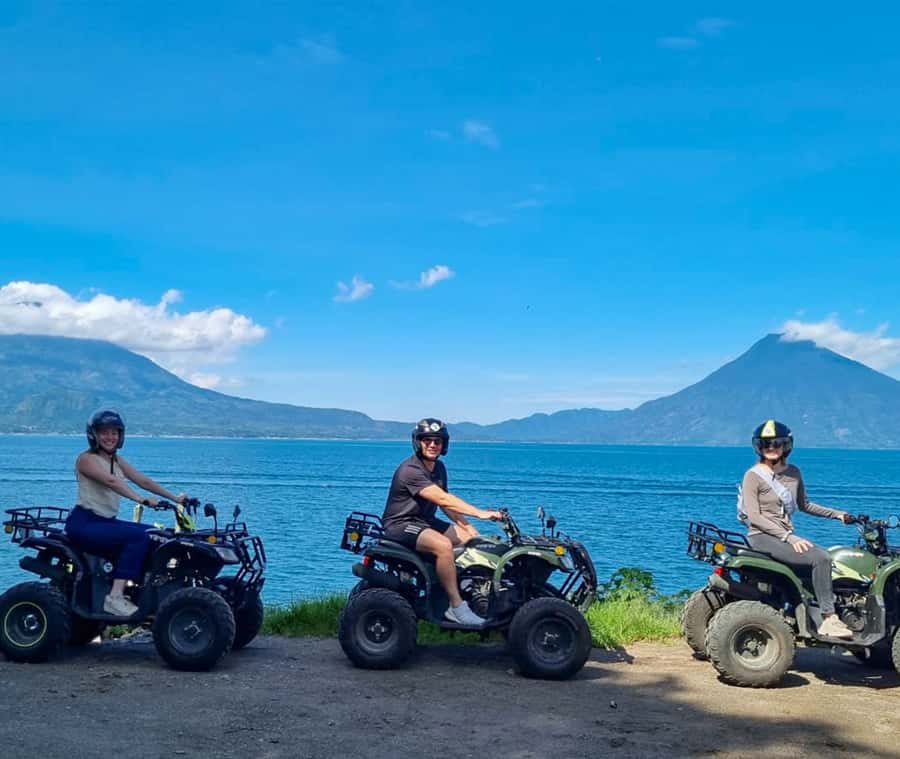
ATVs, coffee, and two villages—done right. This Lake Atitlán ATV ride takes you from Panajachel to Santa Catarina Palopó and San Antonio Palopó, where you get hands-on stops for local grind-your-own coffee and artisan crafts. I like that the day mixes riding with real village life, not just quick photo stops. One watch-out: some time is spent inside workshops and tastings, so if you want maximum throttle time, plan your expectations.
The guiding is a big part of why this tour works. Guides such as Pedro, Joshua, Nehemías, and Yeshua show up in the feedback for being friendly, attentive, and good at explaining the ATV basics, plus they’ll help with photos along the way.
You’ll want to come prepared. Bring a driver’s license, the tour runs rain or shine, and youth with a license can drive but have to book with the adult option. Also, it isn’t suitable for wheelchair users.
In This Review
- Key things I’d prioritize before you book
- Panajachel ATV Energy: What You’re Really Signing Up For
- Entering Santa Catarina Palopó: Weaving, Nahuales, and a Real Coffee Moment
- The ATV Hop Between Villages: Short Ride, Big Change in Vibe
- San Antonio Palopó Pier to Ceramic Factory: Where Learning Gets Hands-On
- Chocolate Factory Stop: Cacao to Finished Product (and a Tasting)
- Pace, Safety, and Photo Time: Why the Tour Feels Smooth
- Price Check: Why $57 Can Be Good Value for 4 Hours
- What to Bring and Who Can Drive the ATV
- Rain or Shine on Lake Atitlán: How to Stay Comfortable
- Who This ATV Tour Is Best For (and Who Should Skip It)
- Should You Book This Panajachel ATV Tour?
- FAQ
- How long is the Panajachel Lake Atitlán Villages ATV Tour?
- Where does the tour start?
- Do I need a driver’s license?
- Will the tour run in bad weather?
- What’s included in the price?
- Is this tour wheelchair accessible?
Key things I’d prioritize before you book
- Coffee grinding in Santa Catarina Palopó: grind locally grown beans at a village coffee house, then taste what you made.
- ATV time plus village context: you’re not just riding; you’re learning what you’re passing and meeting local makers.
- Ceramics in San Antonio Palopó: you visit a ceramic factory and see how the goods are made.
- Chocolate from cacao to finished product: a chocolate factory stop with a process lesson and tasting.
- Guides who manage the pace well: multiple guides (Pedro, Nehemías, Joshua, Yeshua, and others) earn praise for clear directions and keeping things fun.
- Workshop time can be hit-or-miss: one group wished they had more driving time and less time in the second stop.
Panajachel ATV Energy: What You’re Really Signing Up For
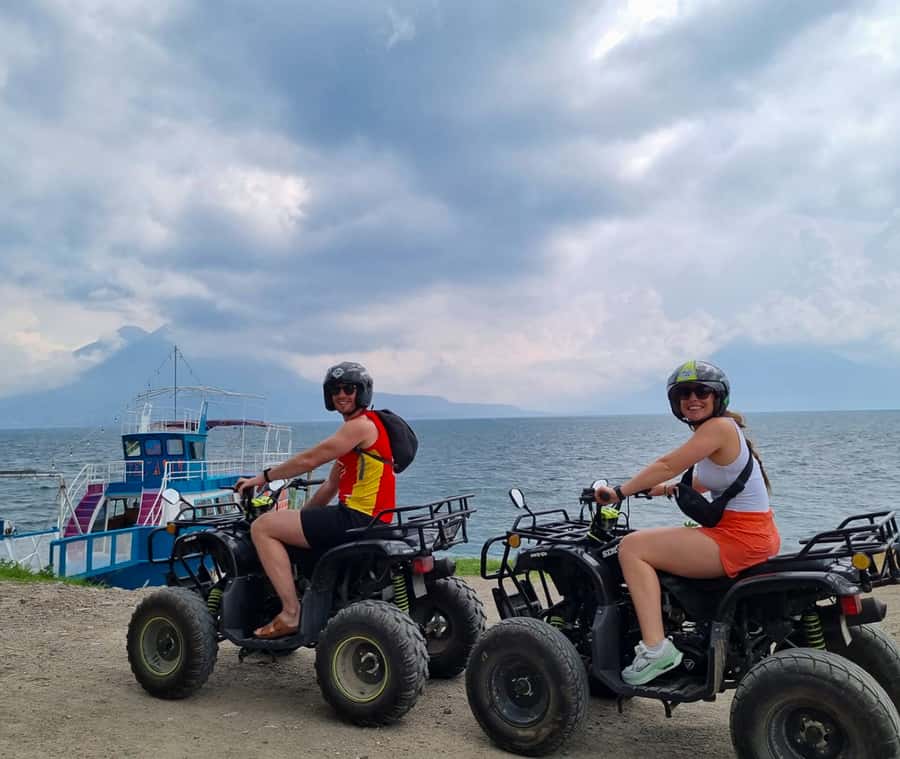
This isn’t a one-note ATV blast. Yes, you’ll ride. But you’re also ticking through two lake-adjacent villages that feel lived-in, not staged for tourists.
I like tours where the riding has a purpose beyond motion. Here, the purpose is to get you to places where people make the everyday stuff you use at home—coffee, ceramics, and chocolate—while you also enjoy views of Lake Atitlán from the road.
The rhythm matters. A common theme in the feedback is that the experience doesn’t feel rushed, and you get time at stops to look around and ask questions. One downside shows up too: if you’re the kind of person who wants mostly riding, you might find that the craft stops take more time than your perfect mix.
Entering Santa Catarina Palopó: Weaving, Nahuales, and a Real Coffee Moment
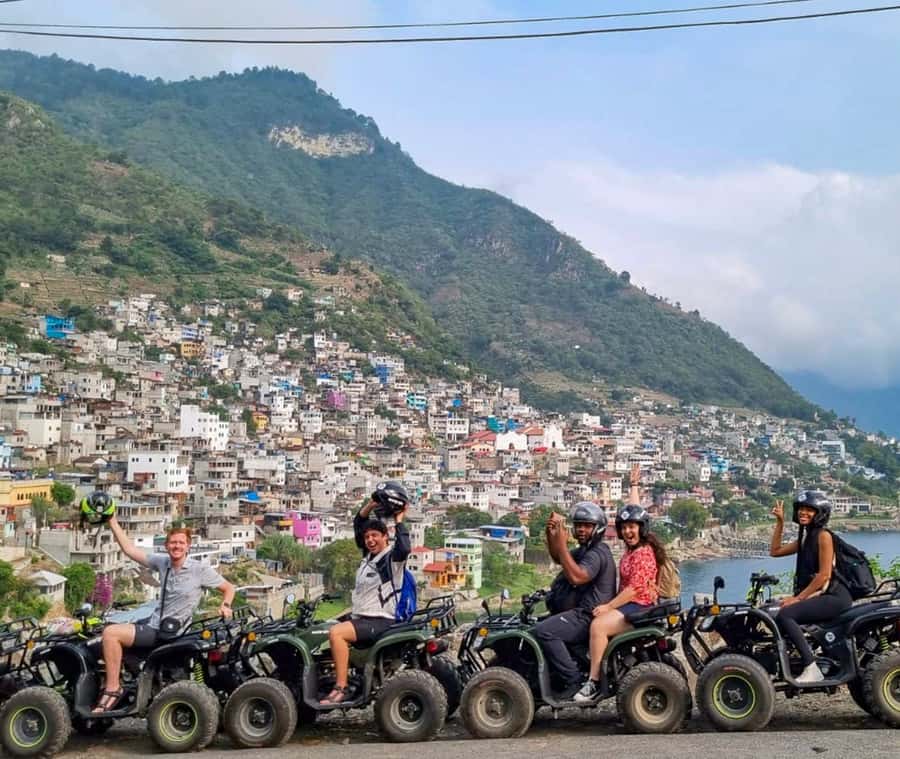
Santa Catarina Palopó is where the day gets its cultural footing. You’ll arrive to see local crafts and goods linked to everyday life: weavings and blankets, and items like nahuales (traditional spirit-like figures). It’s a good stop if you like browsing with curiosity and learning what you’re seeing.
Then comes the coffee experience, and it’s the part I think most people will remember. At a local coffee house in the village plaza, you can grind your own coffee and taste locally grown beans. That turns coffee from a souvenir into an activity.
Practical tip: don’t treat this like a quick sample rack. Give yourself a little time to watch the process, ask what you can, and pay attention to the flavors you notice after grinding. Coffee tastes different when you’re involved, even if you’re not a coffee expert.
The ATV Hop Between Villages: Short Ride, Big Change in Vibe
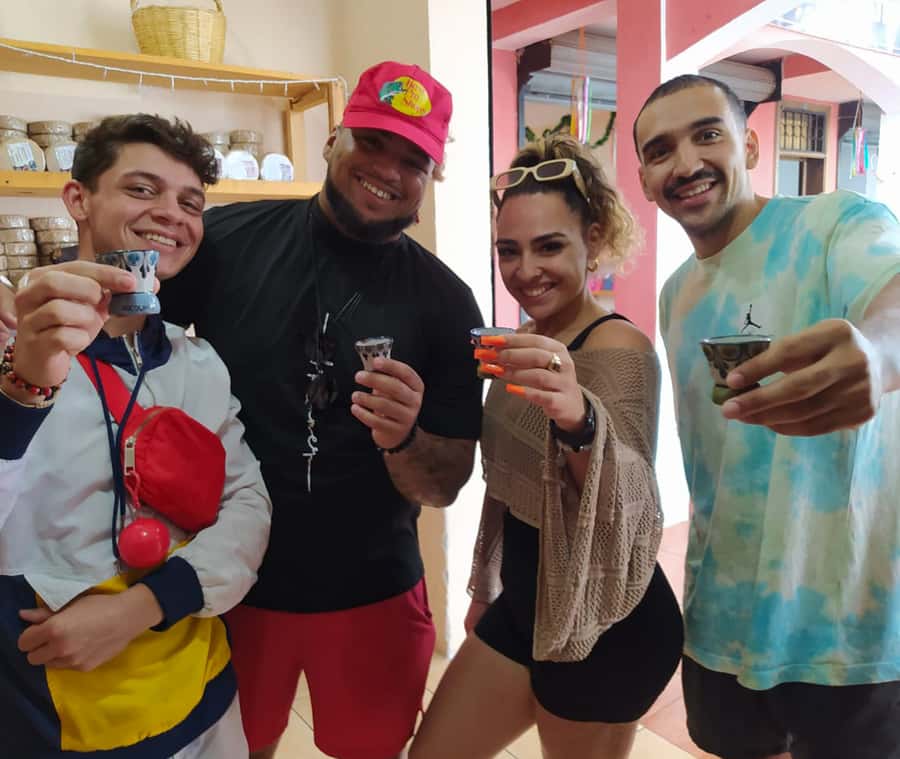
After wrapping up in Santa Catarina Palopó, you hop back on the ATVs for a few more kilometers. That short transfer is more than a commute. It’s the transition from village browsing to workshop visits.
You’re also still in motion long enough to keep the adrenaline high. One traveler favorite mentioned the open-road feel and the lake views, which makes sense: the best part of Lake Atitlán riding is that you get scenery while you’re moving, not only parked and waiting.
If you’re sensitive to time planning: transfers are quick, but don’t expect a “drive-drive-drive” day. This is a balanced outing, so the ride supports the stops rather than replacing them.
San Antonio Palopó Pier to Ceramic Factory: Where Learning Gets Hands-On
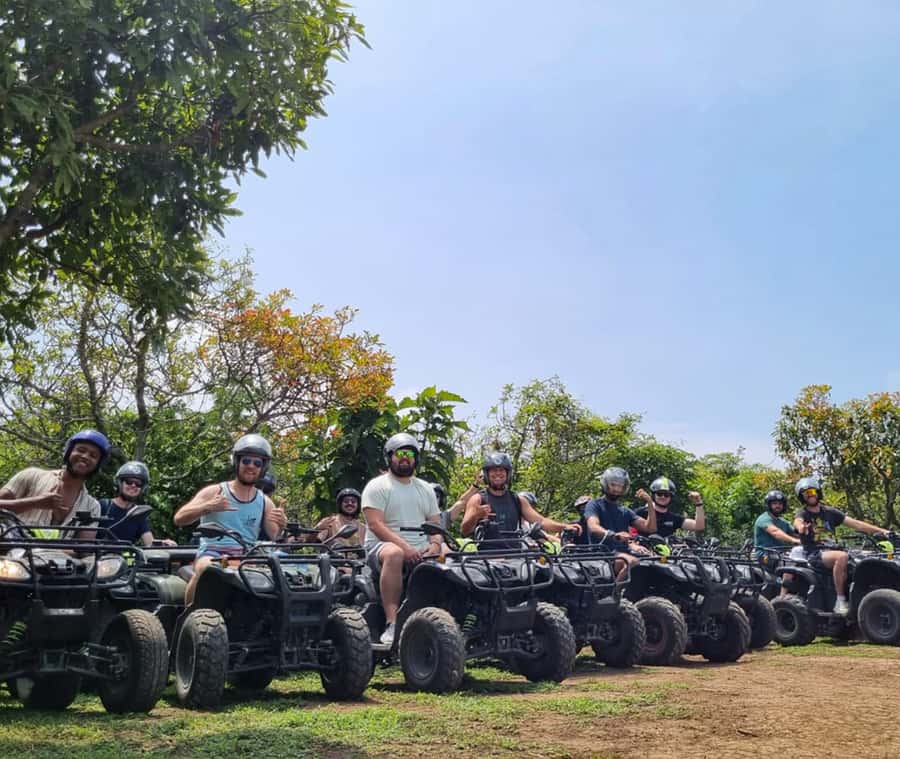
San Antonio Palopó is where the tour turns more tactile. You’ll park at the local pier, then walk over to a ceramic factory.
This stop is valuable because ceramics are one of those crafts that people buy but rarely see made. In the factory, you visit and learn about the process behind the goods. Even if you’re not buying anything, it helps you understand why items look the way they do and how long the work takes.
One consideration: ceramic factories and other production-style stops can feel slower if you’re expecting a pure adventure pace. In at least one case, the second village stop felt like it took time that could have gone to more driving. So if you’re deciding between “more time riding” vs “more time learning,” be honest about what you want most.
Chocolate Factory Stop: Cacao to Finished Product (and a Tasting)
After ceramics, you head to a local chocolate factory in San Antonio Palopó. Here, the focus is cacao—how it becomes finished chocolate.
You’ll learn about the process of turning cacao into a product you can taste, and then you’ll taste chocolate. This is one of those stops that feels like a small classroom, but with flavor as the takeaway.
I like that chocolate is both educational and sensory. The process lesson gives context, and the tasting lets you connect the dots. If you’re traveling with food lovers, this is a good “shared interest” stop because it’s easy to talk about what you like and why.
Pace, Safety, and Photo Time: Why the Tour Feels Smooth
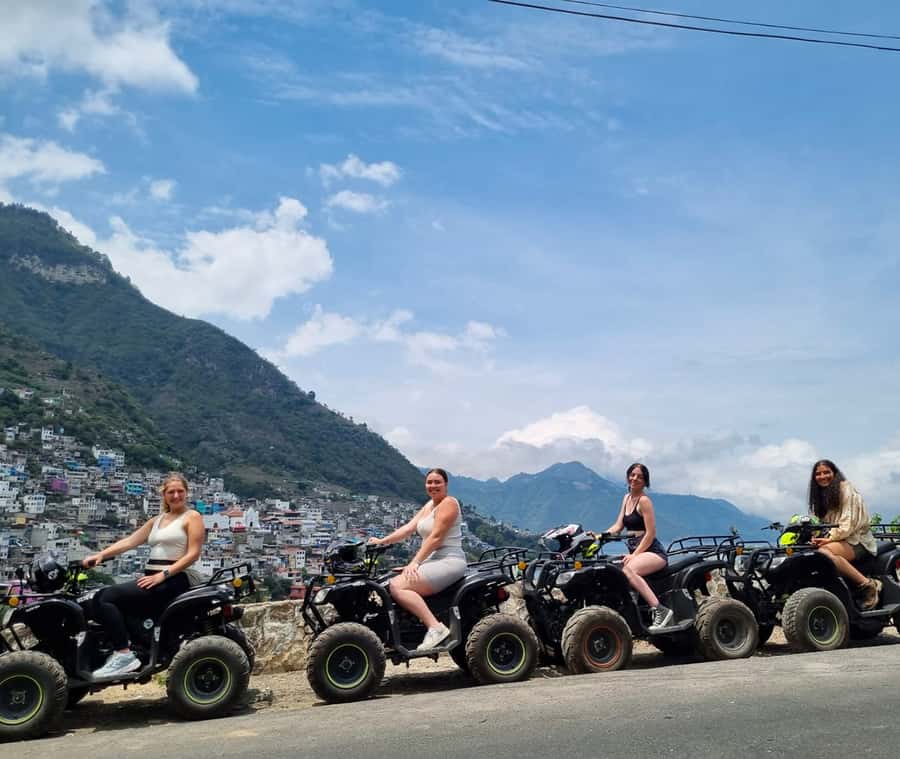
ATVs sound simple until you’re on one with a group. What keeps this experience from turning into chaos is the way guides handle the basics.
The feedback repeatedly praises clear instructions and attentive guidance for the ATV ride. Guides are also mentioned as friendly, patient, and good at explaining what to do before you get moving. If you want a stress-free first ATV experience, that safety-and-instruction focus matters more than a fancy marketing description.
Another bonus that shows up often: you may get help with photos and videos during rides and at stops. Several guide names came up for this, including Frédérique’s note about photos and videos, plus other comments about taking pictures and not needing you to constantly ask.
Price Check: Why $57 Can Be Good Value for 4 Hours
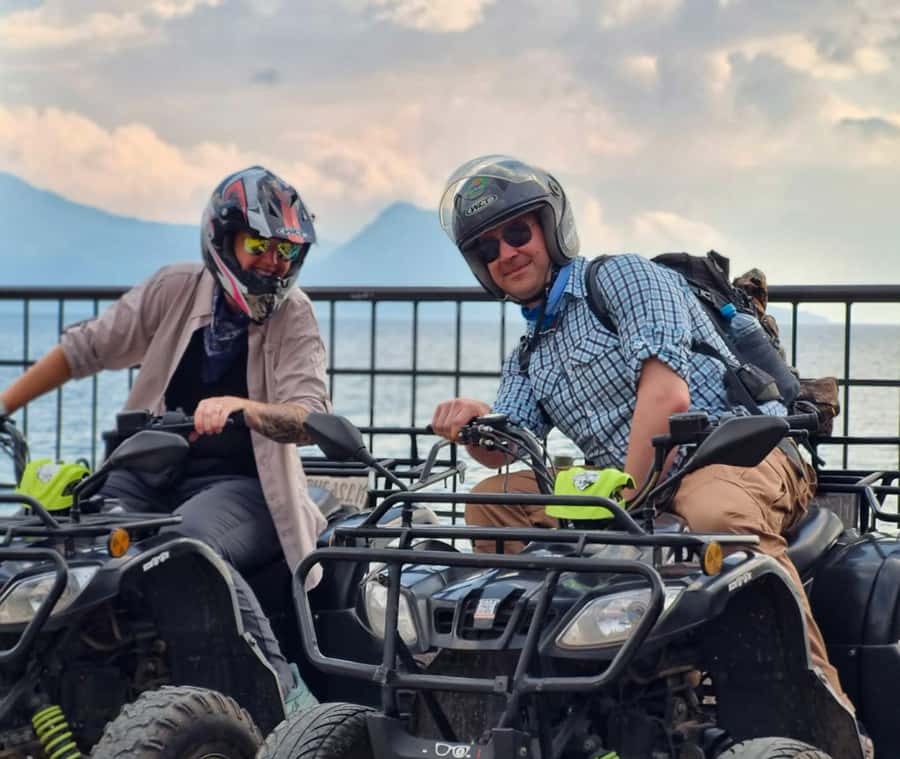
At $57 per person for a 4-hour tour, you’re paying for more than the ride. The price includes:
- ATVs and helmets
- Fuel surcharge
- Parking fees
That combination matters. ATV rentals in Guatemala can be pricey when they’re separate from guide time and transport logistics. Here, the cost bundles the gear, fuel, and the practical pieces so you’re not doing extra transactions all day.
What isn’t included is also part of the value picture. Snacks, lunch, soda/pop, alcoholic beverages, and coffee/tea aren’t included. Still, you’ll have structured tasting moments—coffee and chocolate—so you’re not leaving empty-handed on flavor.
My advice: plan on budgeting for your own food and drinks outside those tastings. Think of this tour as an experience with samples, not a full meal day.
What to Bring and Who Can Drive the ATV
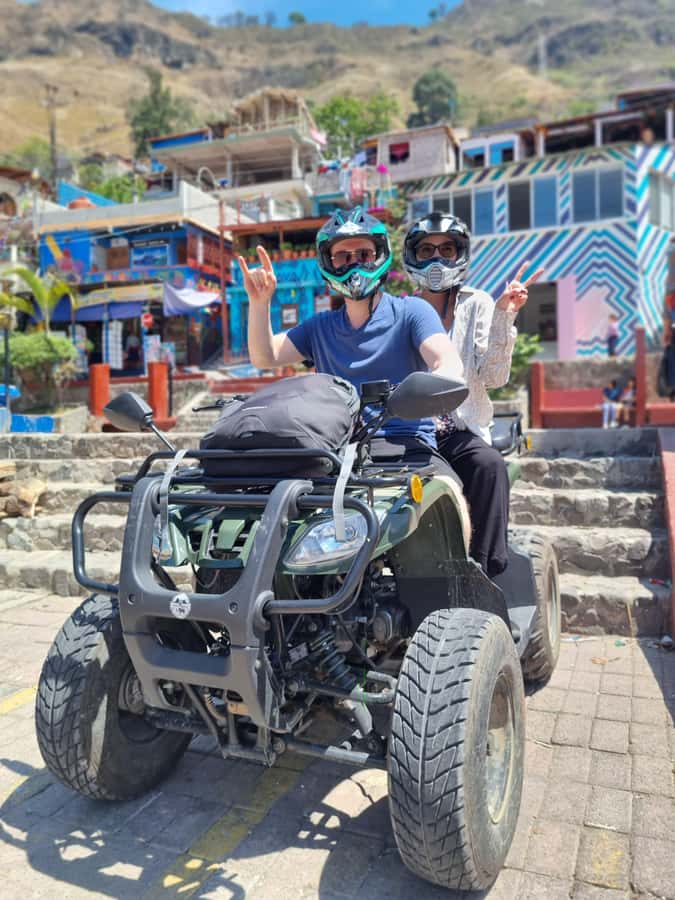
This is where you can save yourself stress. The tour asks you to bring a driver’s license. That’s the key document for getting behind the wheel.
Youth with a driver’s license can drive their own ATV, but they have to book as an adult. If you’re traveling with teens, don’t wait until check-in to figure this out.
Also keep in mind:
- The tour happens rain or shine.
- It’s not suitable for wheelchair users.
- The guide language options are English and Spanish.
If you tend to get cold or wet easily, bring a light rain layer and wear shoes you don’t mind getting dusty.
Rain or Shine on Lake Atitlán: How to Stay Comfortable
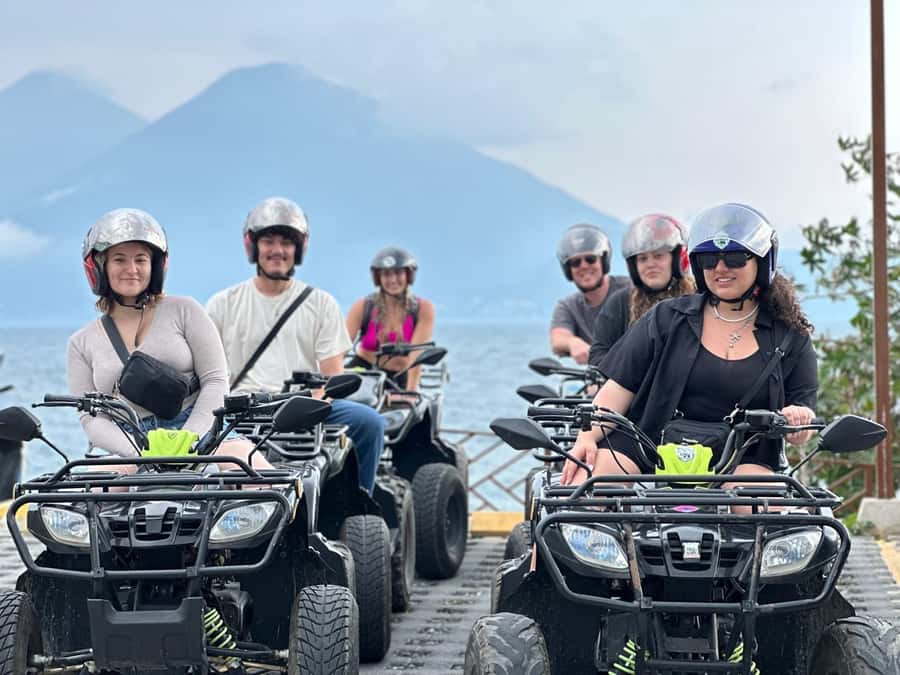
Guatemala weather changes fast around Lake Atitlán, and this tour is explicitly rain or shine. That means you should dress as if you’ll be outside and on uneven ground at least part of the time.
You’ll want practical footwear. The stops involve walking between areas (pier to factory, village areas around the plaza). Even if the ride itself is the highlight, comfort on the walk parts is what keeps the day fun.
If it rains hard, expect conditions to be more slippery. The good news is that the tour is guided, and the focus on instructions should help you handle the ride safely.
Who This ATV Tour Is Best For (and Who Should Skip It)
This tour fits best if you like mixing adventure with culture. It’s ideal for:
- People who want a guided ATV day without scrambling for directions
- Food-nerds who like coffee and chocolate processes
- Shoppers who enjoy crafts (weavings, ceramics), especially when you can see the making
Skip it if:
- You want a pure driving-only itinerary with minimal workshops
- You need wheelchair accessibility
- You’re not comfortable with rain-or-shine plans
Should You Book This Panajachel ATV Tour?
I’d book it if your trip has room for both motion and small learning moments. The standout value is the way the day connects riding with real village stops—coffee you grind, ceramics you can see made, and chocolate you taste after the cacao process.
If you’re the type who checks out mentally inside factories, consider whether your ideal 4 hours is more time on the road and less time in workshops. But for most people, this balance feels like the sweet spot.
FAQ
How long is the Panajachel Lake Atitlán Villages ATV Tour?
The tour lasts 4 hours.
Where does the tour start?
It departs from the tour office in Panajachel.
Do I need a driver’s license?
Yes. You should bring a driver’s license. Youth with a driver’s license can drive their own ATV, but they must book as an adult.
Will the tour run in bad weather?
Yes. The tour will take place rain or shine.
What’s included in the price?
Included are ATVs and helmets, fuel surcharge, and parking fees.
Is this tour wheelchair accessible?
No, it is not suitable for wheelchair users.