REVIEW · MARRAKESH
Marrakech/Fez: 3-Day Merzouga Desert Trip, Luxury ATV Option
Book on GetYourGuide →Operated by marrakech city travel · Bookable on GetYourGuide
Morocco’s sand starts with an Atlas climb. This 3-day route takes you from Marrakech through the High Atlas over Tizi n’Tichka Pass (2,260m), past kasbahs and palm valleys, then into the Merzouga dunes for sunset and sunrise. I especially like the big-window mountain views on the way down, and the way the Merzouga night is built around real desert moments. The only drawback to plan for: you’ll spend long hours on the road, and the comfort level of desert basics can vary.
You also get a proper cultural anchor at Ait Ben Haddou. The UNESCO-listed ksar visit includes a walking tour with a local guide (tip not included), plus time to soak up the film-location vibe and take photos. One practical catch: lunches and drinks are not included, so you’ll want cash and a plan for midday meals.
Finally, the Merzouga fun includes an ATV/quad-bike and jeep option alongside the classic desert camp experience. That said, timing matters—some people have run into delays around transfers—so I’d keep your expectations flexible and treat sunset as a live event, not a guaranteed clock-in time.
In This Review
- Key Points at a Glance
- Leaving Marrakech Early: Tizi n’Tichka Pass to Ait Ben Haddou
- Ait Ben Haddou: UNESCO Ksar and the Movie-Set Feel
- Ouarzazate and Rose Valley: Quick Flavor Stops Before Dades
- Dades to Todra: Canyon Walls and Palm-Backed Photos
- Erfoud Fossils: A Desert Town Detour Worth Considering
- Into Merzouga: Luggage by 4×4, Camel Ride Into Sunset
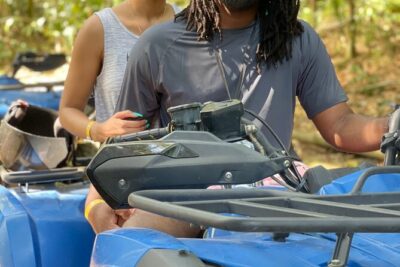
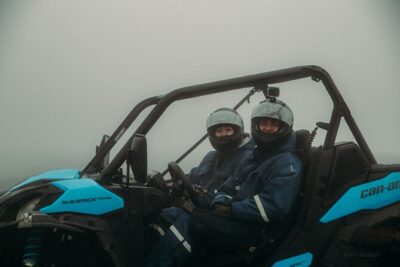
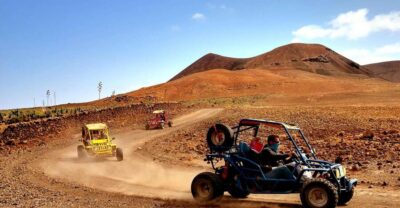
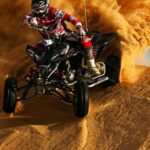
- The Luxury ATV/Quad Option: Fun Added to the Desert Core
- Night Under the Stars: Camps, Comfort, and What to Expect
- Great Dune Sunrise: Early Wake-Up, Big Reward
- Back to Marrakech or On to Fez: Long Driving Day and Air-Conditioning Reality
- Price and Logistics: What $90 Covers (and What It Doesn’t)
- Who Should Book This Merzouga Trip—and Who Should Skip It
- Should You Book This Marrakech/Fez Merzouga 3-Day Desert Trip?
- FAQ
- What time is pickup in Marrakech?
- How long is the trip and where does it go?
- Is a camel ride included?
- Are meals included?
- Is there sunrise and sunset time at the dunes?
- What languages are available for the tour?
- Can I reserve now and cancel later?
Key Points at a Glance
- Tizi n’Tichka Pass (2,260m): big elevation drama with Berber villages and snow-capped peaks on clear days.
- UNESCO Ait Ben Haddou walking tour: a local guide helps you read the ksar instead of just snapping photos.
- Ouarzazate stops + Rose Valley cooperative: quick hits on Morocco’s kasbah architecture and rose-water crafts (optional add-ons).
- Todra Gorges + palm-lined river walk: dramatic canyon walls and easy photo opportunities without a long hike.
- Merzouga sunset and sunrise on the Great Dune: camel time, a night with Berber music, and early-morning dune magic.
- Finish in Marrakech or continue to Fez: same desert core, different endgame for your route.
Leaving Marrakech Early: Tizi n’Tichka Pass to Ait Ben Haddou
Your day starts with pickup from your Marrakech hotel between 7:00 and 7:50 AM. Then the ride turns south fast, aiming for the High Atlas before the heat and traffic build. You’ll have a couple of breaks along the way, including a breakfast stop (included) and a photo stop for mountain scenery.
The star here is the crossing of Tizi n’Tichka Pass, the highest road pass in North Africa at 2,260 meters. From the road, you get terraced hills, scattered Berber villages, and the sense that the country is climbing toward bigger things. If you run cold easily in vehicles, bring a layer—mornings can feel crisp at elevation.
This driving day can feel long, but it’s part of the value. You’re paying for time in motion and big viewing stops, not for a relaxed, slow-paced stroll.
Ait Ben Haddou: UNESCO Ksar and the Movie-Set Feel
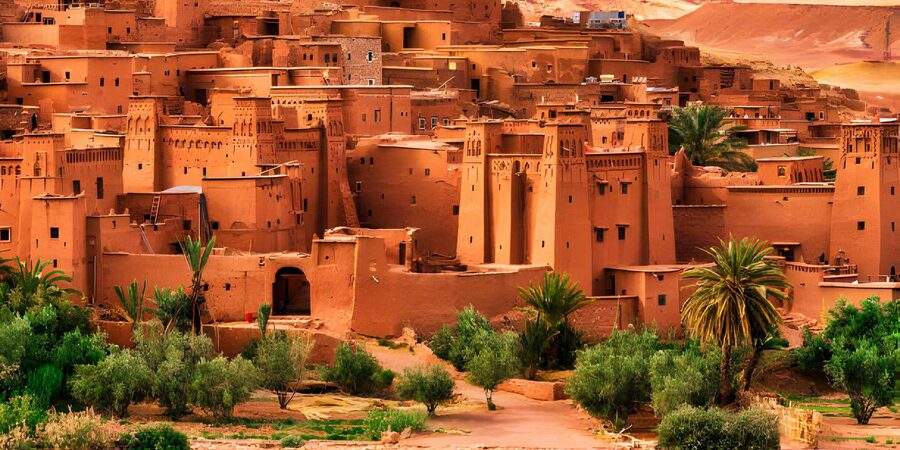
Ait Ben Haddou is one of those places where the setting does half the work. You arrive, then do a guided walking tour with a local guide (their tip is not included), moving through the ancient ksar and learning what you’re actually looking at.
I like how the visit is structured around understanding. Instead of treating it like a backdrop, the local guide turns it into a living explanation—how the place works, why it looks the way it does, and why filmmakers keep coming back. You’ll also have time for photos right after the guided walk.
Lunch is on you here (not included), but it’s a natural moment to eat while the kasbah is still in your brain. Budget for it mentally, because you’ll be tempted to linger.
Ouarzazate and Rose Valley: Quick Flavor Stops Before Dades
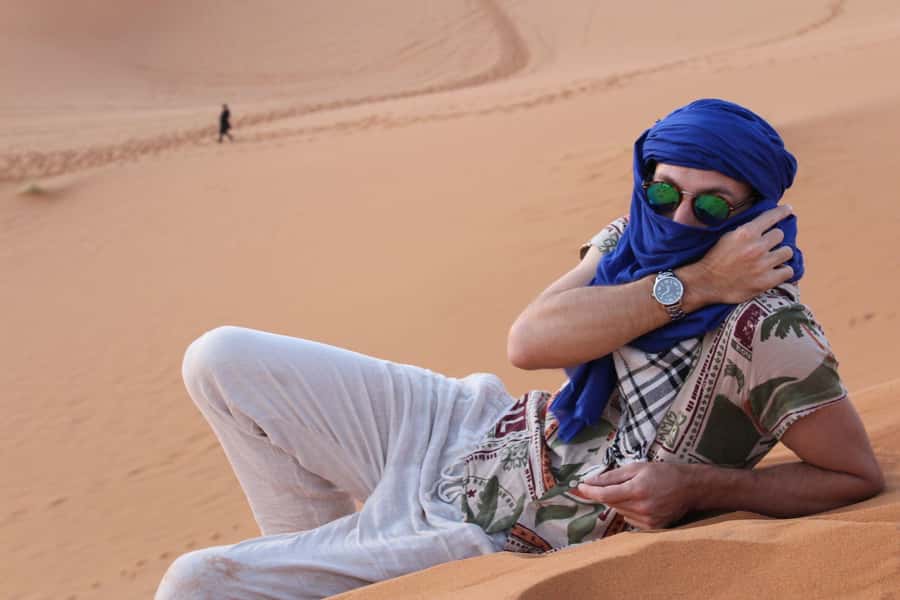
After Ait Ben Haddou, the route touches Ouarzazate, often called the Hollywood of Africa. You make a brief stop at Kasbah Taourirt, which is known for bold architectural shapes and the kind of visual density that makes every corner look crafted.
Next comes the Rose Valley area. You can visit a local cooperative that produces rose water and natural cosmetics—this is optional. If you’re into practical shopping tied to something real, this is the kind of stop that feels more meaningful than a random store stop.
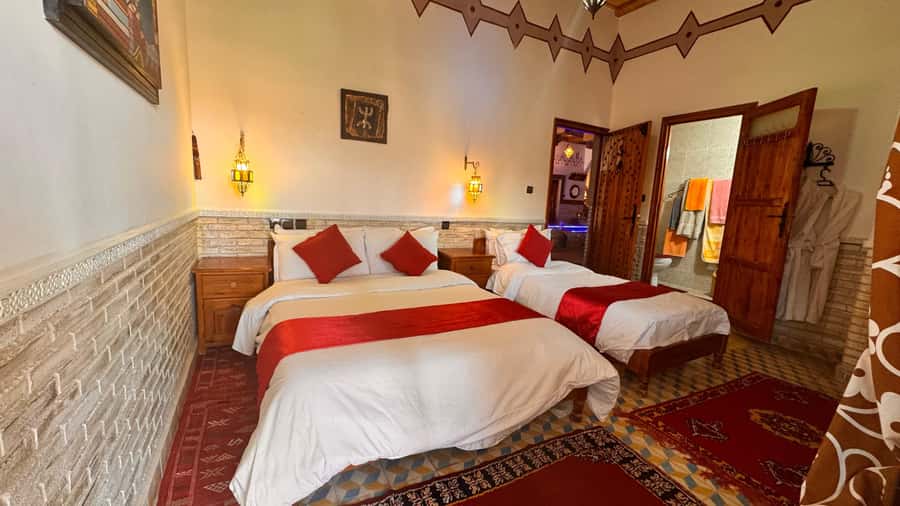
By evening, you check in to your first night hotel in the Dades/Boumalne Dades area. Depending on the option you chose, you might stay in a mid-level property (like New Puplie in Boumalne Dades or Hotel Ksar Kaissar in Kelaat M’Gouna) or a luxury property (such as Dar Essyaha or Dar Ahlam in Boumalne Dades). Dinner is included at the hotel/riad, but drinks are not.
One reason I appreciate this night: it’s usually the most comfortable part of the journey. People tend to remember the desert camp as the rough edge, while the first hotel night feels like a reset before the sand.
Dades to Todra: Canyon Walls and Palm-Backed Photos
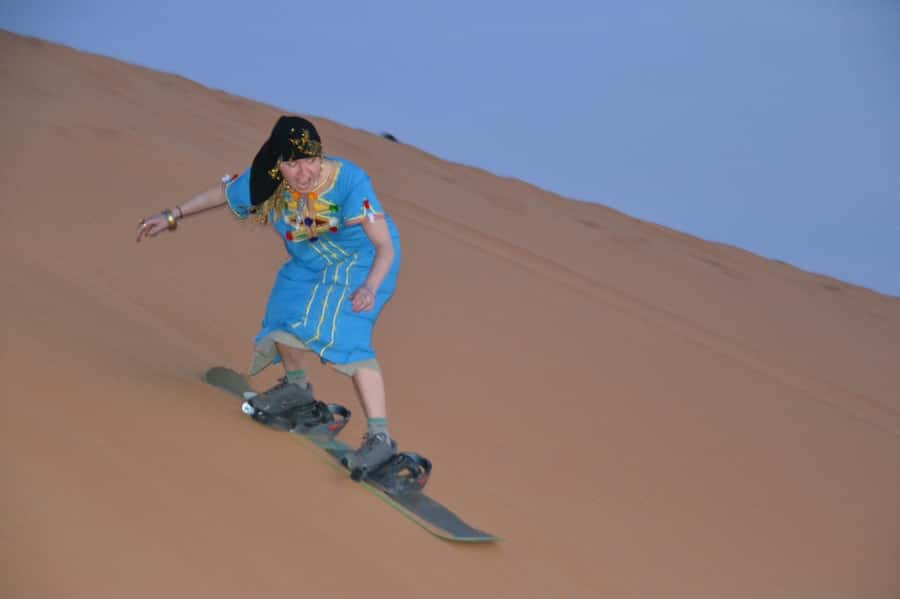
Day 2 starts after breakfast, then you drive toward Todora Gorges—a place famous for towering canyon walls and a palm-lined riverbed. The driving time is around 3 to 4 hours with stops, which matters because it keeps the day from feeling like one long, straight grind.
You’ll take a short walk in the rocky area. This isn’t about conquering trails; it’s about standing where the rock feels close enough to touch and getting photos without a major effort. If you like climbing-style visuals or just want dramatic vertical texture for your camera, this is a great moment.
Lunch is nearby but not included. You’ll keep moving after that, so treat lunch as a fueling stop, not a sit-down feast.
Erfoud Fossils: A Desert Town Detour Worth Considering
As you head toward the Merzouga dunes, you pass through Erfoud, a desert town known for fossils and black marble. If there’s time, you stop at a local workshop to see fossil crafts. That’s optional, but it’s one of the more interesting “why is this here?” side trips on the route.
Even if you don’t buy anything, it helps to see how the region turns stone and fossil stories into objects people use and sell. It makes the journey feel less like you’re only traveling through scenery.
Then you’re back on the main track: arrival in Merzouga and the camp setup begins.
Into Merzouga: Luggage by 4×4, Camel Ride Into Sunset
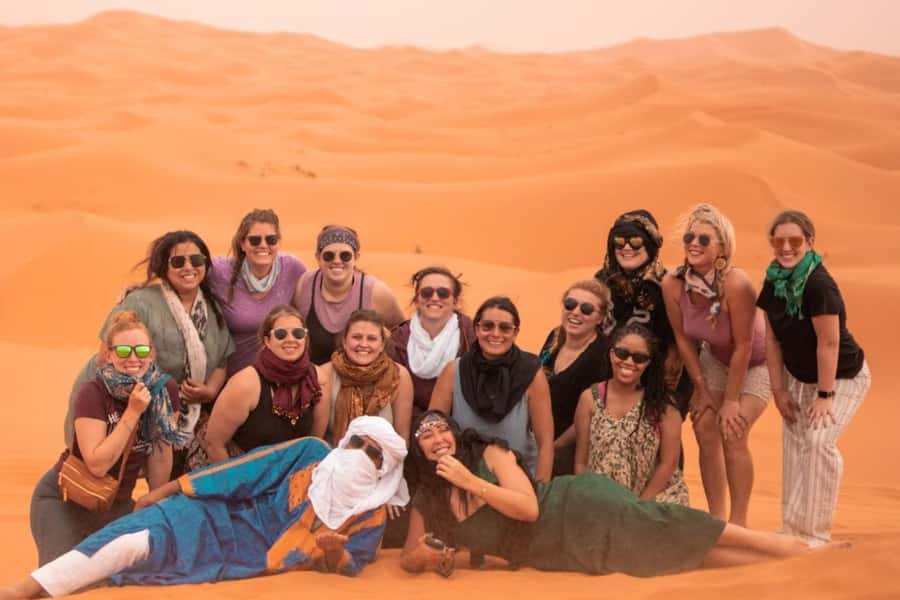
When you reach Merzouga, the routine gets smart and efficient. You remove your luggage and belongings from the van, then it’s loaded into 4×4 vehicles directly to the camp. You travel with less weight and more focus on the moment.
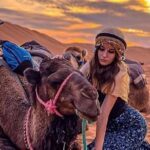
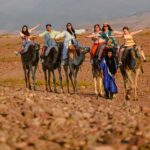
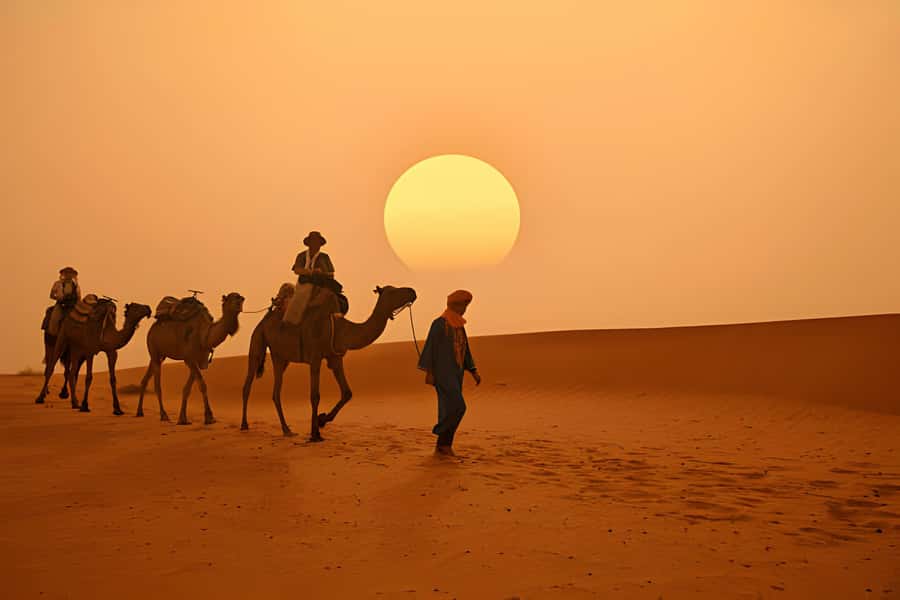
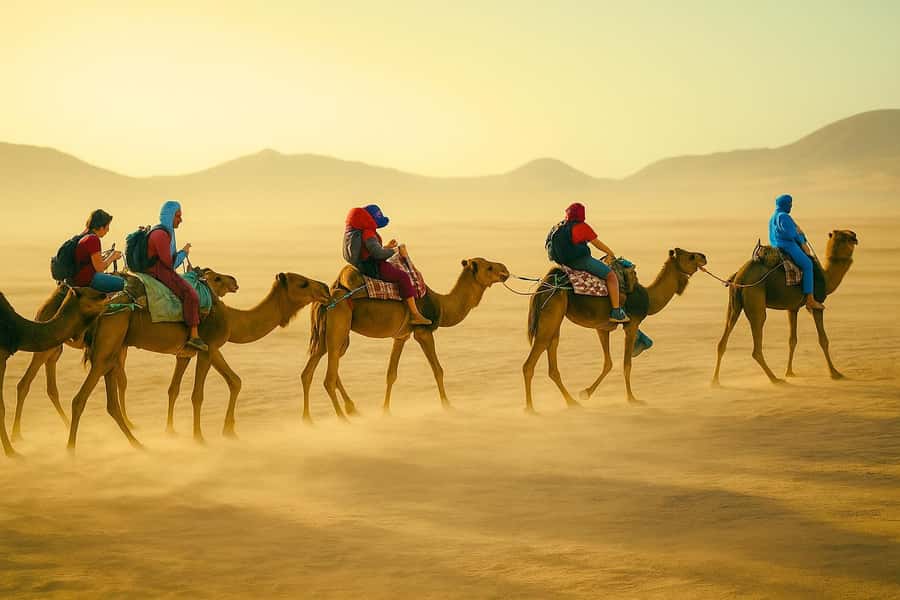
Next comes the classic camel ride into the desert, aimed at sunset. This is where the trip’s story locks in: you’re not just driving to the dunes; you’re arriving slowly, step by step. The goal is to watch sunset from the dunes and capture that orange light before the temperatures drop.
At the camp, you collect your luggage again and get your tent number from staff. Then you relax before dinner. Dinner is included twice overall, and it’s typically eaten together at the camp restaurant.
In the evening, you can expect traditional Berber music and dance around the fire (drinks excluded). This is the part that many people remember most—not because it’s fancy, but because it turns the camp into a shared experience.
One caution from real-world pacing: transfers can be a little chaotic. Some people have described waiting for jeep transfer to the camp and coming close to missing sunset. If sunset is a top priority, keep a flexible attitude and don’t assume every handoff will happen instantly.
The Luxury ATV/Quad Option: Fun Added to the Desert Core
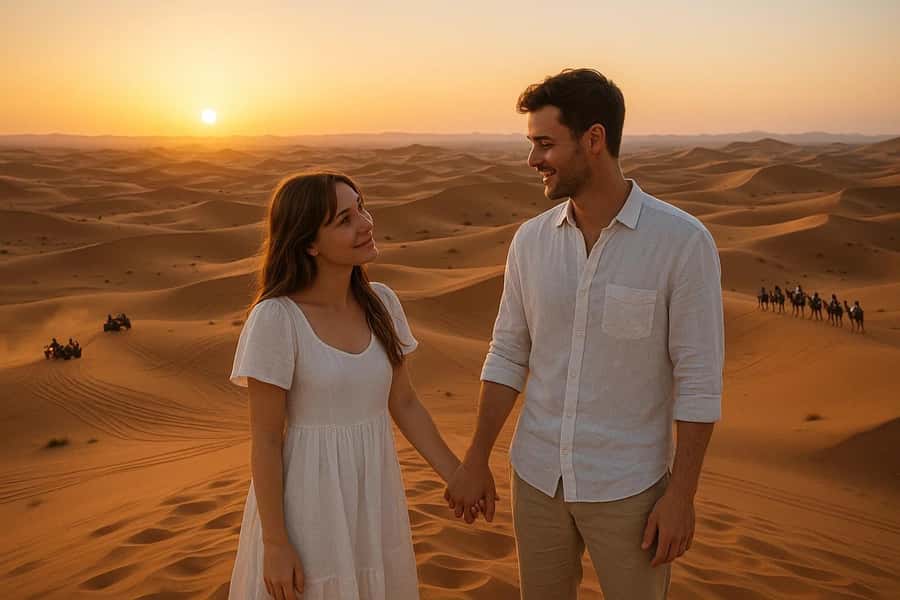
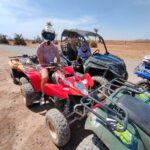
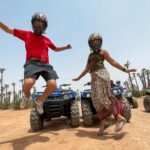
This package is labeled as a Luxury ATV option, and the Merzouga highlights mention quad bikes plus a jeep option. In practical terms, this usually means you’re getting more than just camel and camp time—there’s a chance to add a faster, louder desert thrill.
That said, the exact timing can matter more than you’d think. If there’s any delay with transfers, you can lose daylight fast. I’d treat the ATV/quad segment like a bonus that’s worth doing, but not something to build your entire emotional timeline around.
If you really care about it, ask what time you’re expected to be ready at the camp area. You’ll get a lot more peace of mind if you know when the quad ride fits into your sunset/sunrise rhythm.
Night Under the Stars: Camps, Comfort, and What to Expect
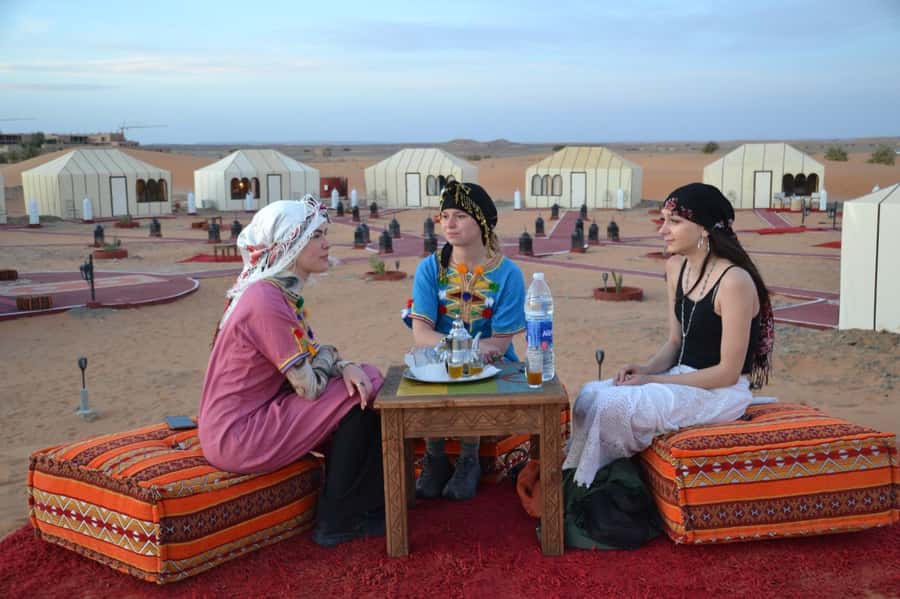
After dinner, the camp night is about atmosphere. You’re in the desert, the sky has room to breathe, and there’s often music and movement that makes the evening feel alive. Breakfast and dinner are included, but drinks are not, so plan on staying hydrated with what you bring or purchase on-site.
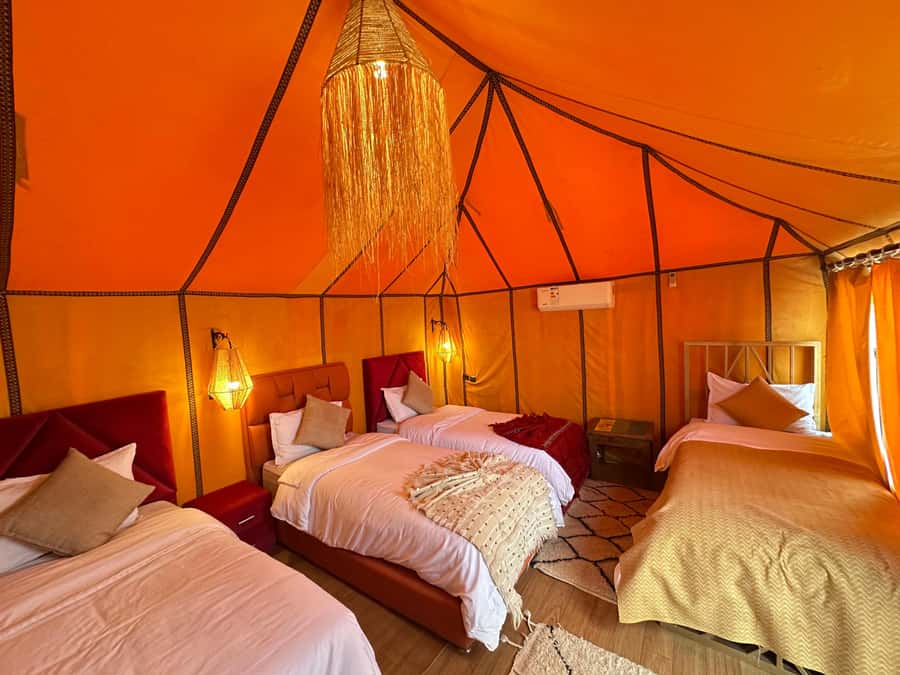
Comfort can be a mixed bag. Some people report the tent as hot and basic, with toilets that aren’t great. Others are fine with the tradeoff because the desert experience is the point. The honest takeaway: bring the mindset of camping-lite, not hotel life.
If you’re sensitive to hygiene or heat, pack accordingly. A small headlamp helps, and a light layer for sleeping can make a big difference once temperatures shift at night.
Great Dune Sunrise: Early Wake-Up, Big Reward
The next morning is early, because sunrise in the desert doesn’t negotiate. You wake for the dune sunrise, watch the light shift over the sand, then have breakfast.
After breakfast, you ride camels back to where your driver meets you. Your luggage is transferred by 4×4 again, so you don’t have to carry everything on the ride back. It’s a tidy close to the Merzouga portion.
This is the part I’d keep as your top priority if you only remember one thing. Sunset is gorgeous, but sunrise has that quiet feeling—less show, more sky.
Back to Marrakech or On to Fez: Long Driving Day and Air-Conditioning Reality
Day 3 sends you back depending on your choice: either return to Marrakech or continue to Fez with another driver. People should plan for a long drive. One common note is that the last day can take about seven hours by car.
One logistics detail worth paying attention to: air conditioning is not something to assume fully. While the trip includes an air-conditioned minivan or minibus, some experiences have included discomfort on the return leg when AC wasn’t present as expected.
There’s also the human factor. A few people reported confusion with the final destination showing correctly for the driver, leading to delays and switching to a local taxi without air conditioning. It’s not something you can fully control, but you can reduce stress by being clear about your finish city and staying calm if there’s a handoff.
If your driver happens to be someone who shares history and keeps you engaged—names that came up include Hakim, Abdul, and Aimad—you’ll likely feel the long drive a lot less like wasted time.
Price and Logistics: What $90 Covers (and What It Doesn’t)
At $90 per person, this trip can be a strong value for the core experience: pickup, transport, 2 nights of accommodation, camel ride, dinner twice, and breakfast twice. It also covers the big driving blocks between Marrakech, the Atlas region, and the dunes.
What’s not included is important:
- Lunches (both travel days)
- Drinks (at camp and with dinners)
- Guides (you do join local guidance at Ait Ben Haddou, but tips are excluded)
- Any extra upgrades beyond what your option states
So the cost is mostly paying for transportation and the “big moments” infrastructure. If you want convenience and comfort at every step, you’ll likely spend extra on lunches, water, and potentially better accommodation upgrades.
The other “hidden” cost is attention and patience. The route includes stops for scenery and points of interest, plus you might encounter shop stops. That’s not automatically bad—it’s part of how the journey flows—but you’ll want to stay mentally flexible.
Who Should Book This Merzouga Trip—and Who Should Skip It
This is a good fit if you:
- Want a classic Morocco route with a UNESCO stop and a real desert night
- Like sunrise and sunset experiences enough to be up early and ready to move
- Are okay with long car days in exchange for seeing multiple regions
- Can handle basic desert camp conditions without expecting hotel-level comfort
You might skip (or consider a different setup) if you:
- Need guaranteed comfort and want AC to be perfect on every leg
- Are very sensitive to tent heat, basic toilets, or hygiene concerns
- Hate uncertainty around timing—especially around transfers close to sunset
Should You Book This Marrakech/Fez Merzouga 3-Day Desert Trip?
I’d book it if your priority is the Morocco-to-desert story arc: High Atlas views, Ait Ben Haddou’s real structure, canyon time at Todra, then the dunes at Merzouga with camel rides and that sunrise payoff. The price makes sense for what’s included, as long as you plan for lunches/drinks and keep your expectations aligned with desert-camp reality.
I would hesitate if you’re booking for guaranteed luxury comfort or if ATV timing and smooth transfers are non-negotiable for you. In that case, spend a little extra time confirming what your ATV/quad option includes and when you’ll be expected to meet for it.
FAQ
What time is pickup in Marrakech?
Pickup is between 7:00 and 7:50 AM from your Marrakech hotel.
How long is the trip and where does it go?
It’s a 3-day trip through the High Atlas region to Merzouga in the Drâa-Tafilalet area. You can finish back in Marrakech or continue on to Fez.
Is a camel ride included?
Yes. A camel ride is included as part of the Merzouga desert experience.
Are meals included?
Breakfast is included twice and dinner is included twice. Lunches are not included, and drinks are not included.
Is there sunrise and sunset time at the dunes?
Yes. You’ll watch Sahara sunset and sunrise on top of the Great Dune.
What languages are available for the tour?
The tour is offered in Arabic, English, and French.
Can I reserve now and cancel later?
Yes. You can reserve and pay later, and you can cancel up to 24 hours in advance for a full refund.