REVIEW · MARRAKESH
Marrakech: Ait Benhaddou, Ouarzazate, Guided Day Trip
Book on GetYourGuide →Operated by Morocco Tour Experience SARL · Bookable on GetYourGuide
One long day. Two UNESCO sights in spirit. Morocco’s big Atlas road trip is why this works. I love the drive over the Tizi n’Tichka Pass and the guided walk through Ait Benhaddou, and I appreciate that pickup and drop-off make the day feel low-stress. The one catch to plan for: you’ll be walking on uneven ground, and lunch costs can be on you at the restaurant.
This is the kind of tour that fits when you want dramatic mountain views and movie-location vibes, but you don’t want to manage a car, tickets, and timing. You’ll spend a lot of the day in a comfortable van with frequent short stops, so the pacing stays friendly. If your idea of “relaxing” is fewer stops and more lounging, this may feel a bit busy—but it’s built for seeing a lot without rushing.
In This Review
- Key points before you go
- Atlas Mountains to Ait Benhaddou: why this day trip is such a smart use of time
- Marrakech pickup (7:00–8:00 AM) and the comfort factor that makes a long day work
- Ait Barka summit near Toufliht: where you get the Atlas feeling early
- Crossing Tizi n’Tichka Pass: the viewpoint stop you’ll actually remember
- Ouarzazate: Hollywood of Morocco, but with a real local base
- Ait Benhaddou UNESCO ksar: earthen alleys, guided context, and time to wander
- Lunch and snacks: what’s included, what’s not, and how much cash to carry
- Timing on the road: why the day feels full but not frantic
- Guides and drivers: the difference between seeing a place and understanding it
- What to bring (and what to skip) for Atlas heat and kasbah walking
- Who this tour suits best (and who should reconsider)
- Should you book this Marrakech to Ait Benhaddou day trip?
- FAQ
- What time is pickup in Marrakech?
- How long is the tour?
- Where does the tour stop besides Marrakech?
- Is there a guided visit at Ait Benhaddou?
- Is the Atlas Film Studios entry fee included?
- Do I get lunch on the trip?
- What language will the guide speak?
- What should I bring with me?
- Is this tour suitable for mobility impairments?
Key points before you go
- Tizi n’Tichka Pass photo breaks at viewpoints that actually make the drive worth it
- UNESCO Ait Benhaddou with a guided visit, including time for wandering and quick local snacks
- Ouarzazate + Atlas Film Studios, including a guided walk and photos from the famous film-world sets
- Ait Barka summit stop near Toufliht for views, local life glimpses, and a short coffee break
- Hotel/riad pickup and drop-off from accessible points, with help if your riad is hard to reach
- Studio entry fee not included, so decide ahead if you want to pay extra for indoor set access
Atlas Mountains to Ait Benhaddou: why this day trip is such a smart use of time
If you’re spending limited days in Marrakech, this route is one of the most efficient ways to see the Atlas Mountains and then drop straight into one of Morocco’s most cinematic places. You start early, you cross high country with classic mountain vistas, and you finish with a return drive that brings you back to Marrakech the same day.
I like that the experience is built around moments, not just transportation. You get a high pass viewpoint, an Ouarzazate stop that scratches the film-fan itch, and then a Kasbah visit that’s more than taking photos on the edge of the site. Ait Benhaddou is the kind of place where walking the alleys helps you understand why this UNESCO-listed ksar has stayed standing.
The value for the price is in the structure: air-conditioned round-trip transport, a guide (not just a driver), and built-in stops. At about $19 per person, you’re basically paying for a full day’s logistics and a guided highlight. The main thing you’re responsible for is budgeting for personal spending (and likely your lunch), plus bringing sun protection and solid shoes.
Marrakech pickup (7:00–8:00 AM) and the comfort factor that makes a long day work
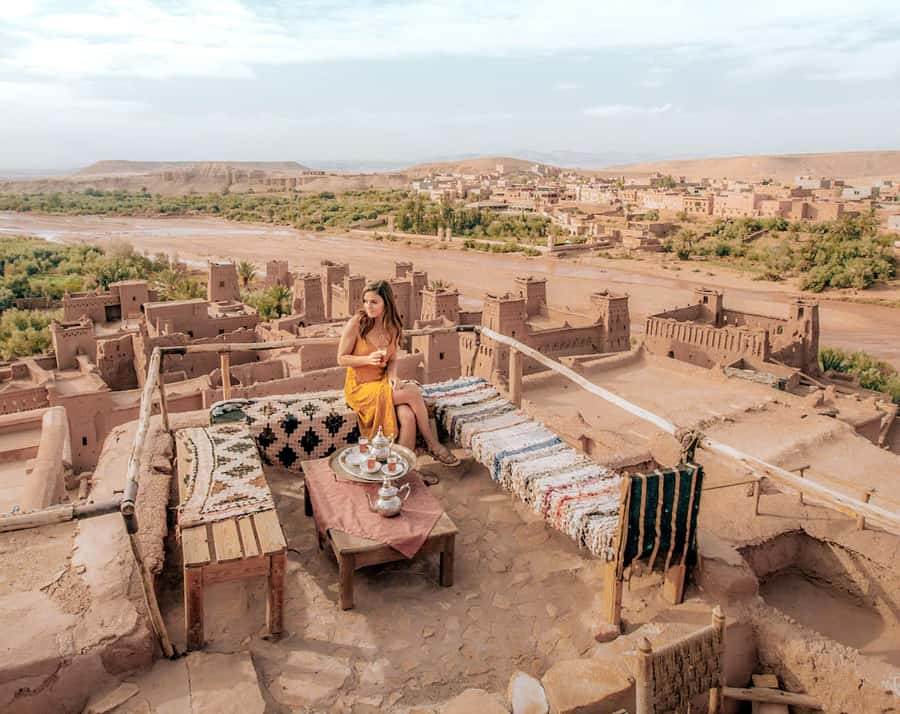
Your day begins with pickup from select hotels and riads in Marrakech, between 7:00 and 8:00 AM. Your exact pickup time is confirmed by 7:00 PM the day before, sent via WhatsApp and email. That matters because the day is timed for driving conditions through the mountains, so you’ll want to be ready when they message.
The transport is a comfortable, air-conditioned vehicle, and the tour includes a professional driver. This isn’t just a “we’ll see you on the road” situation. It’s organized enough that you can focus on the views and stops instead of planning route turns and parking.
One practical note: if your riad isn’t accessible by car (common in parts of the medina), the pickup may be from the nearest reachable point. So before pickup day, double-check the meeting point they confirm with you.
Ait Barka summit near Toufliht: where you get the Atlas feeling early
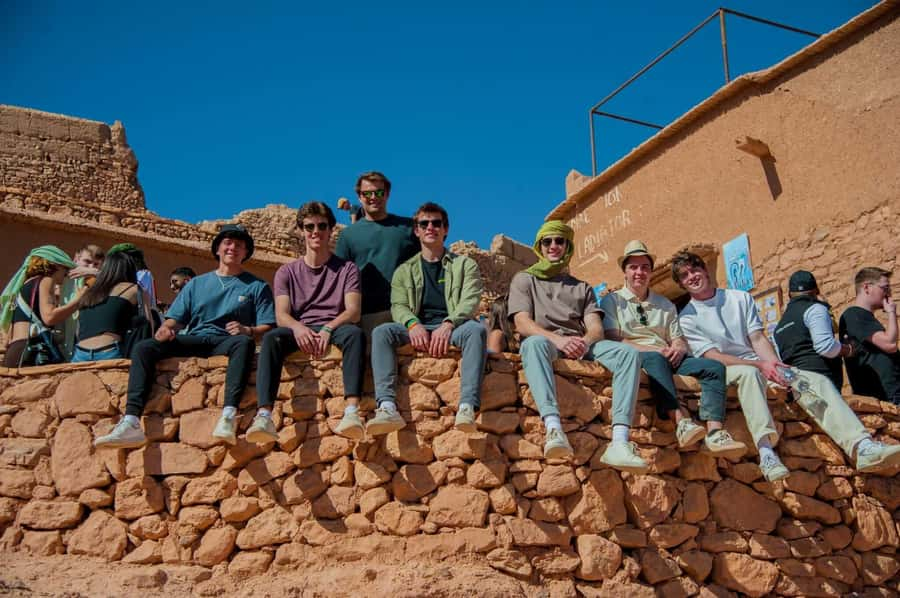
After leaving Marrakech, you’ll start getting those mountain views right away. Early in the drive, there’s a stop near the Ait Barka mountain peak by Toufliht village. This is timed as a break/photo/coffee moment—short, but meaningful.
Here’s why this stop is more than a quick pit stop:
- You’re high enough to get a real sense of the Atlas scale.
- You can step out, stretch, and reset before the longer viewpoint run.
- You may see everyday mountain life up close, which helps Ait Benhaddou later feel less like a movie set and more like a living region.
The tour also includes a stop at the summit area with a short coffee break (and time to grab a photo). I like this kind of break because it prevents that “constant driving fatigue” that can make the later stops feel less enjoyable.
Crossing Tizi n’Tichka Pass: the viewpoint stop you’ll actually remember
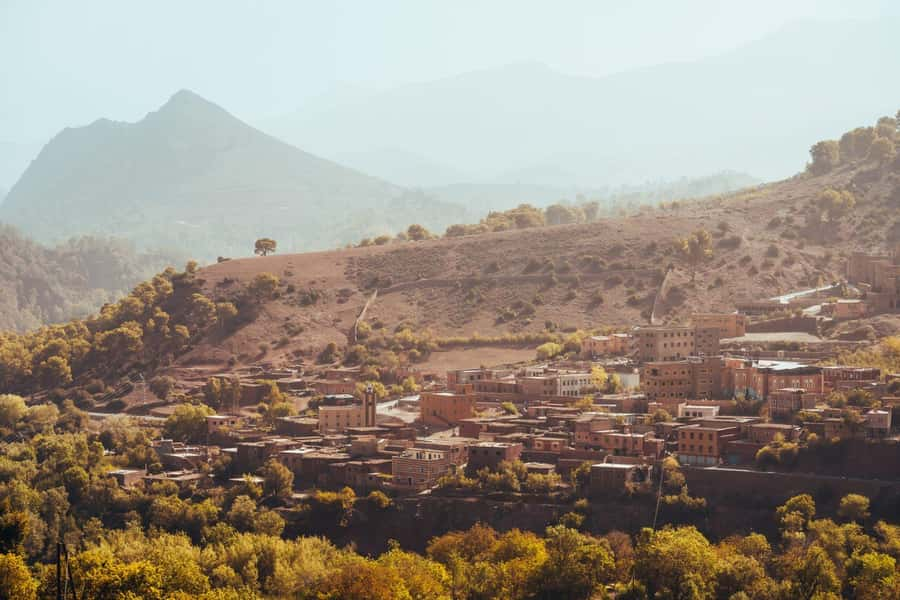
Then comes the famous part: the drive through Tizi n’Tichka Pass. The tour calls out reaching about 2,260 meters (7,415 feet), and you’ll get multiple short breaks for photos.
Two things make Tizi n’Tichka worth it on a day trip:
- You’re crossing the mountains in the most dramatic way, not skirting the edges.
- The stops are built into the schedule, so you’re not hunting for viewpoints on your own.
There are photo stops timed into the pass itself, and additional scenic driving. These short windows are perfect for capturing the views without losing your whole day waiting around. Bring your sunglasses and a camera you’re comfortable taking out quickly.
Ouarzazate: Hollywood of Morocco, but with a real local base
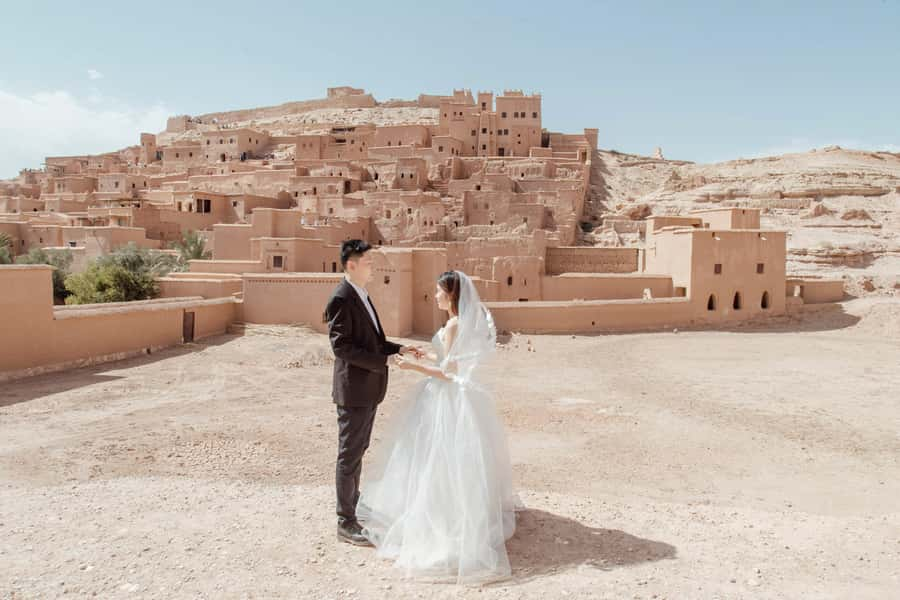
Once you reach Ouarzazate, you get the shift from mountain road to the kind of town that people associate with film. You’ll hear it called the Hollywood of Morocco, and that reputation isn’t random: the area’s cinematic look has attracted big productions.
The tour includes a visit to the Atlas Film Studios. You’ll have:
- a photo stop
- a guided tour
- and time to walk around the area
The info you’re given includes major films shot here, like Game of Thrones, Gladiator, and Lawrence of Arabia. Even if you’re not a hardcore movie buff, it helps to connect “I’ve seen this look on screen” to the actual place it was built. It’s the difference between watching and understanding the geography behind the set.
A key practical detail: studio entry fee is not included. So during your planning, decide whether you want to spend extra for indoor set access (if offered on the day) or keep it to the guided viewing and outdoor areas. Either way, budget some extra cash in case you want photos, snacks, or add-on entry.
Ait Benhaddou UNESCO ksar: earthen alleys, guided context, and time to wander
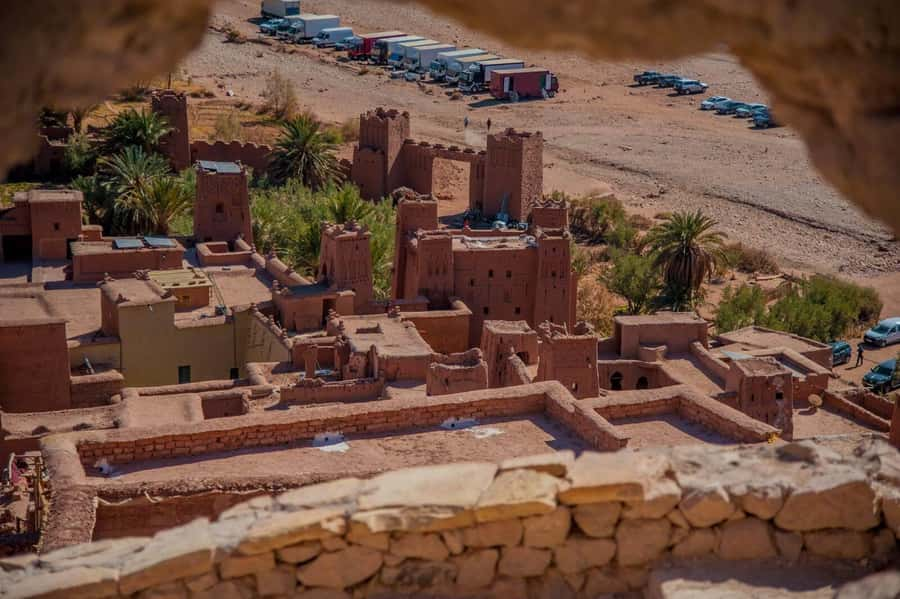
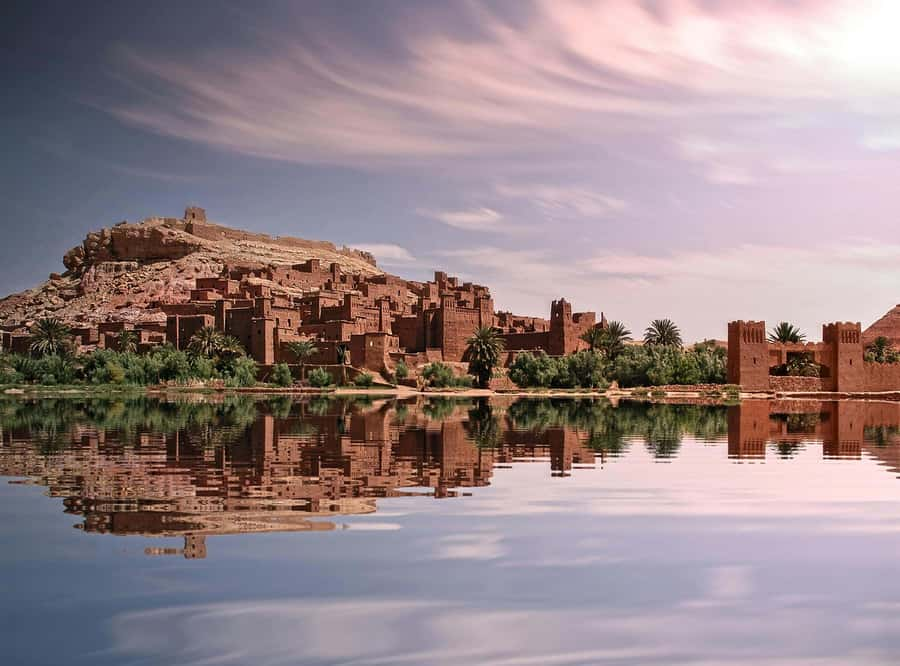
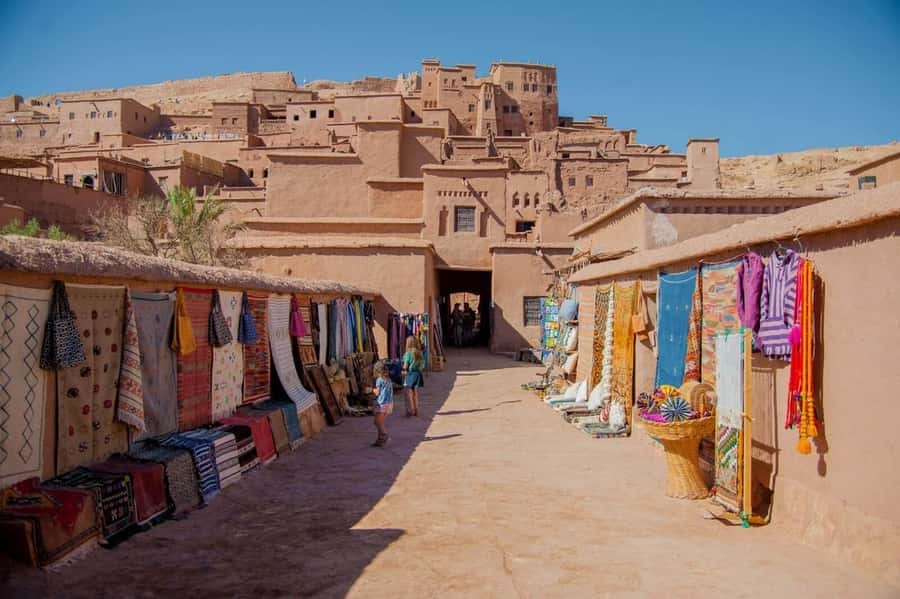
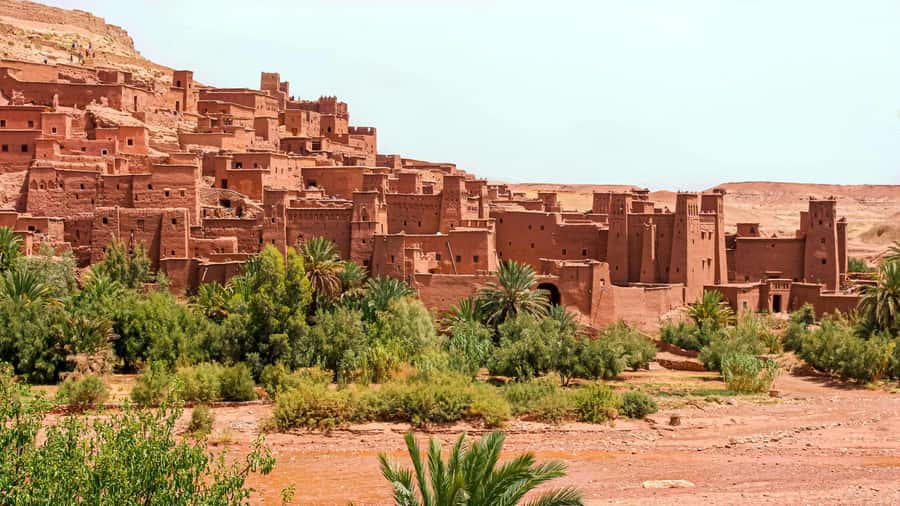
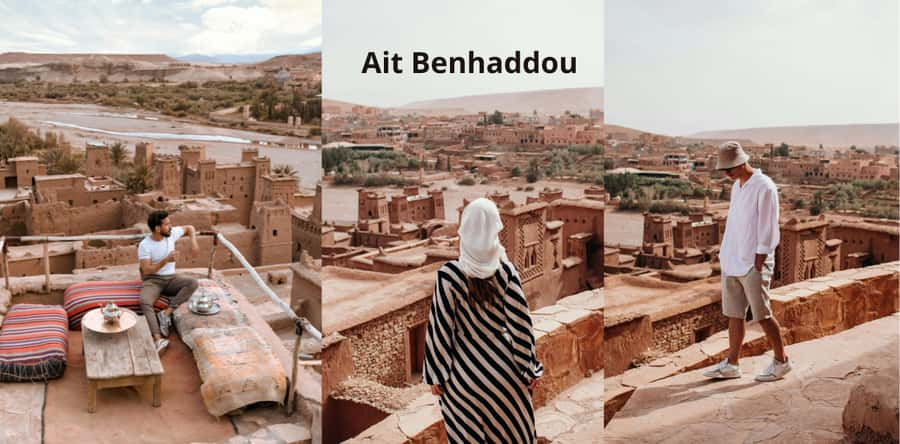
Now you’re at the star. Kasbah Ait Benhaddou is a UNESCO World Heritage Site and one of the best-preserved ksars in Morocco. Expect earthen architecture, ancient alleyways, and a setting where desert scenery frames the buildings.
The tour provides a guided visit, plus free time. That mix matters. A guide helps you read the site—why it’s built the way it is, how the earthen structures work, and how the kasbah functioned historically. Then the free time is where you turn that information into your own experience: you can slow down, look up, and take photos without feeling like you’re on a strict checklist.
Plan for walking on uneven surfaces. This isn’t a flat museum floor. The guidance says it’s not suitable for people with mobility impairments, and it’s easy to see why once you’re inside the kasbah lanes.
Also, remember that this visit isn’t just about one “main street” view. The best moments often come when you step a little off the obvious path and notice how the buildings layer on the hillside.
Lunch and snacks: what’s included, what’s not, and how much cash to carry
The schedule includes a local lunch stop during the Ait Benhaddou portion, and there are also mentions of local snacks. That’s good because it keeps you from needing to search for food after a long drive.
But here’s the real-world budget tip: lunch may not be included in the price. One guide-reviewed account specifically mentions a buffet cost (120 MAD per person). So even if the tour includes a lunch stop, I recommend treating lunch as a pay-at-the-restaurant expense.
How to handle it smoothly:
- Bring some cash for your meal and small purchases.
- Don’t assume you’ll be able to pay by card in every spot.
- If you’re picky about lunch, you can arrive hungry and let the guide point you toward the most practical option in the area.
This is also why packing sunglasses, a hat, and water helps. Heat plus walking plus waiting for lunch can turn “a nice day out” into “why am I thirsty right now.” Keep it simple.
Timing on the road: why the day feels full but not frantic
The itinerary is basically a rhythm:
- morning pickup
- short breaks for photos/coffee
- scenic driving segments
- Ouarzazate/Atlas Film Studios time
- Ait Benhaddou visit and lunch
- afternoon return to Marrakech
You’ll have multiple short stop windows (photo stops and breaks) rather than long transfers with no stops. That design helps because it gives your brain a few “reset moments” during the long drive. The day is about seeing key points, so don’t expect a slow, beach-vacation pace.
Still, the schedule is long enough that you’ll want to dress for comfort. Comfortable clothes matter because you’ll be in the van, then out walking in hot sun, then back in the car. Your clothes and shoes need to switch modes quickly.
Guides and drivers: the difference between seeing a place and understanding it
A lot of tours can move you from A to B. What makes this one better is that it includes an English-speaking local guide (also offered in French and Arabic). That guided context is where the “why this matters” part happens.
In the feedback for this kind of trip, certain guide names come up for being attentive and informative—Achraf, Anas, Mohamed, Ali, and Abdul are mentioned as examples. The common theme is that the guide doesn’t just point at buildings; they share background, including Berber origins and explanations that help you connect what you’re seeing to how people live and built these places.
If you’re the type who likes asking small questions—How old is this? What’s the function of this alley?—you’ll likely get more out of the day. And if you’re more quiet, that same guidance helps you move through the kasbah without getting “lost in the cool stones.”
What to bring (and what to skip) for Atlas heat and kasbah walking
This day trip is straightforward, but it’s physical in small ways. The tour suggests:
- Comfortable shoes (important for uneven kasbah ground)
- Sunglasses and a sun hat
- Camera
- Comfortable clothes
- Cash (for lunch/personal costs)
I’d add one practical thought: pack water if you run through it fast. The schedule includes breaks and a coffee stop, but walking under sun plus driving time can leave you thirsty before you remember you packed it.
Who this tour suits best (and who should reconsider)
This day trip is a good fit if you:
- want big scenery plus a historic/UNESCO highlight in one day
- like film locations and want to see where movies got their visual look
- prefer guided visits over self-driving stress
- have limited time in Marrakech
It may not be the best choice if you:
- have mobility impairments or struggle with walking on uneven surfaces
- hate long driving days or want minimal stops
- aren’t comfortable paying extra for possible add-ons like studio entry or your lunch meal
Given the pace and walking, it’s best seen as an active day trip, not a sit-and-sun outing.
Should you book this Marrakech to Ait Benhaddou day trip?
I’d book it if you want one day that covers the Atlas Mountains, Ouarzazate, and Ait Benhaddou without needing a rental car. The combination of guided context, classic mountain viewpoints, and a UNESCO ksar makes the route feel complete for first-timers.
I’d think twice if you’re sensitive to uneven ground or you expect lunch to be fully covered with no extra budget. Bring cash, wear shoes you trust, and plan for walking time inside the kasbah.
If you match that, this is a strong value day: lots of Morocco in 11 hours, with logistics handled and the best photo stops built right into the plan.
FAQ
What time is pickup in Marrakech?
Pickup is usually between 7:00 and 8:00 AM. The exact pickup time is confirmed by 7:00 PM the day before your tour via WhatsApp and email.
How long is the tour?
The total duration is about 11 hours.
Where does the tour stop besides Marrakech?
You’ll pass through the Atlas Mountains, stop at viewpoints along the way, visit Ouarzazate (including Atlas Film Studios), and explore Kasbah Ait Benhaddou.
Is there a guided visit at Ait Benhaddou?
Yes. The tour includes a guided visit to Kasbah Ait Benhaddou.
Is the Atlas Film Studios entry fee included?
No. The studio entry fee is not included.
Do I get lunch on the trip?
The schedule includes a lunch stop during the Ait Benhaddou portion. The tour details do not list lunch as included in the exclusions, so you should budget for lunch at the restaurant and bring cash.
What language will the guide speak?
The live tour guide is available in English, French, and Arabic.
What should I bring with me?
Bring comfortable shoes, sunglasses, a sun hat, a camera, comfortable clothes, and cash. Walking is involved, and there are uneven surfaces at Ait Benhaddou.
Is this tour suitable for mobility impairments?
No. It is not suitable for people with mobility impairments due to walking on uneven surfaces.