REVIEW · CAIRO
Giza Pyramids & The Sphinx with ATV Quads, Shopping and Camels
Book on Viator →Operated by CGT Egypt Tours · Bookable on Viator
Pyramids up close beat any postcard. This private, door-to-door tour pairs an Egyptologist guide with major sites across Cairo, plus fun extras like quad bikes and a camel ride. I love the efficiency of the plan and the way the guide helps you connect the dots between Saqqara and Giza; a packed day does mean some stops are short, and entrance fees are extra.
You’ll be moving fast through world-famous monuments, but it’s not chaotic. With an air-conditioned vehicle, bottled water, and pickup/drop-off for just your group, the day feels built for travelers who want the highlights without constant logistics.
In This Review
- Key Things I’d Prioritize Before You Go
- A Private Giza Day That Actually Feels Organized
- Memphis and Saqqara: The Pyramid Story Before Giza
- Giza Plateau Timing: From Cheops to the Sphinx Guarding the Land
- Quick Pyramid Stops That Still Let You Go Inside
- The Great Sphinx: Best Value Comes From the Story
- Quad Bike Trips Around Giza and a 30-Minute Camel Detour
- Nile River Photo Pass: A Nice Breather Between Monument Stops
- Shopping Tours: The Part to Do With a Plan
- Price and Value: What $10 Means When Entrance Fees Are Extra
- Small Details That Make the Difference on a Fast Day
- Should You Book This Giza Pyramids & Sphinx Tour With ATV Quads?
- Quick rule of thumb
- FAQ
- Is pickup from my hotel included?
- How long is the tour?
- Are entrance fees included?
- What activities are included besides the pyramids?
- Do I get a guide?
- Is this a private tour or shared?
- When should I book?
- Can I cancel for free?
Key Things I’d Prioritize Before You Go

- Door-to-door private transfers: you’re not stuck waiting on other groups or rerouting the day.
- Giza, Sphinx, plus pyramid “origin story”: you don’t just see monuments, you see how the design evolved.
- Time on the Giza Plateau for aligned photos: that wide view takes planning, and this tour schedules it.
- Quad bike session around Giza: it adds energy to an otherwise stone-and-sun kind of day.
- Camel ride option (30 minutes): you get the classic photo moment without turning it into the whole trip.
- Shopping time included: you can browse Egyptian crafts with guidance instead of wandering hungry and lost.
A Private Giza Day That Actually Feels Organized

Cairo can be loud, busy, and full of traffic surprises. The big win here is simple: you get a private tour with 2-way hotel transfers, so you’re not building your day around random pickup windows or shared van detours. The tour runs about 6 to 7 hours, which is enough time to cover the major pyramid stops while still leaving room for a bit of variety.
Another thing I like is the guide setup. This isn’t a drive-by “look at that” kind of outing. You’ll have a live, Egyptologist-style guide who’s there to explain what you’re seeing and help make the site make sense, especially the shift from earlier pyramid ideas to the famous Giza masterpieces.
The main drawback is that the day is full. Even when the guide gets you in and out quickly, you still need to handle heat, lines, and short walking segments. Add in that entrance fees and tipping are not included, and you’ll want to budget for those before you go.
Memphis and Saqqara: The Pyramid Story Before Giza
If Giza is the big finale, Memphis and Saqqara are the setup. The tour is built to take you from earlier pyramid achievements to the “peak” pyramid era at Giza, so you can understand why these monuments look the way they do.
Memphis is described as the city where the pharaohs ruled, now presented as an open-air museum. Even if you only get a limited window, it’s a helpful start because it frames pyramids as part of a larger ancient world, not just isolated stone mountains in the desert.
Then comes Saqqara, tied to King Djoser and his step pyramid. That step design matters because it’s a key step in how pyramid building developed. On a day like this, context is everything: without it, you can end up comparing pyramids only by size. With it, you notice how ideas changed over time, and you understand what builders were experimenting with.
This is also where I’d watch your timing mindset. Saqqara can be a favorite stop for many people because it’s where the story feels less obvious. If your schedule feels rushed later, remind yourself: the point of the early stops is to make Giza more meaningful.
Giza Plateau Timing: From Cheops to the Sphinx Guarding the Land

Your Giza day begins at the Giza Plateau, the setting for the three main pyramids and the landscape around them. This tour gives you about 2 hours at the plateau area, though admission specifics can vary by site section. The key practical benefit is that it isn’t just a quick photo at the gate—you get time to settle in, look around, and take pictures with the monuments dominating the frame.
You’ll focus on the three pyramids—Cheops (Khufu), Chephren (Khafre), and Mycrenos (Menkaure)—and then the Sphinx, described as carved from solid limestone and tied to King Khafre. The Sphinx isn’t just a landmark; it’s a giant “marker” showing how power, mythology, and royal identity were projected into the landscape.
One thing to plan for: the plateau is exposed. Even if the vehicle gets you to the site smoothly, you’re walking in open sun. So think practical—hat, water (you’ll have bottled water during the tour), and sunscreen. If you tend to overheat easily, pace yourself early so you don’t burn your energy before the Sphinx.
Quick Pyramid Stops That Still Let You Go Inside

After your initial Giza Plateau time, the tour keeps the pace moving with short, targeted stops at the pyramids. The schedule highlights multiple brief visits:
- The Great Pyramid of Cheops (Khufu) stop is about 20 minutes.
- Khafre’s Pyramid is listed at about 10 minutes.
- Menkaure’s Pyramid is about 30 minutes, with a chance to go inside the smaller pyramid.
A smart way to think about this: these are “focus stops.” You’re not meant to linger for hours inside multiple structures. Instead, you get a taste of the interior experience where it’s offered, and then you’re back outside for views and photography.
The schedule notes some admission items as free, and other parts as not included. I’d treat that as a clue that some entrances may be covered and others may not, depending on the exact site access rules on the day. Practically, plan to pay something extra even if parts are marked free, because you may still run into small ticket requirements depending on the monument area.
If you’re the type who likes to read every sign and take slow steps, this itinerary might feel brisk. But if you want the key pyramid “checkpoints” without losing half your day, the short structure is a benefit.
The Great Sphinx: Best Value Comes From the Story

The Sphinx stop is around 15 minutes, and that’s enough time if your guide is doing the heavy lifting. The tour framing focuses on the Sphinx’s significance and the story behind it—exactly what you want when time is tight.
Here’s what I think makes this work: the Sphinx is visually iconic, but it can feel oddly confusing if you only know it as a photo spot. With explanation in front of you, you start noticing details and understanding why it sits where it does, and what it represented to the people who built and maintained it.
Also, the Sphinx is the kind of place where your best photos often come from timing and positioning more than from “perfect camera settings.” If you arrive with your “shot plan” in mind—wide view first, then tighter angles once you know where you stand—you’ll get more than one decent picture in the short window.
Quad Bike Trips Around Giza and a 30-Minute Camel Detour

This is where the day turns from sightseeing to lived experience.
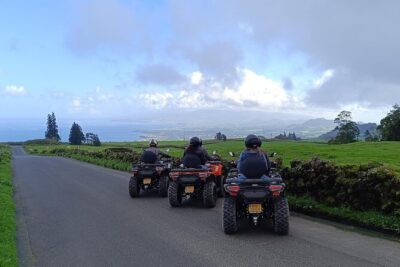
The tour includes quad bike trips around Giza pyramids for about 1 hour (listed as an included activity). That’s not just for fun—this part is a nice mental reset after standing and walking among stone giants. You get a change of pace, plus different views of the complex from moving around the area.
Then there’s the camel ride for 30 minutes (shown as Option A). Even if you’re not a “camel person,” it’s a compact way to do the classic Egypt moment without turning the day into a long slow ride. It’s also the kind of activity that usually gives you pictures you’ll remember, even if you don’t love being on animals.
Practical considerations:
- Wear closed-toe shoes, not sandals.
- Plan for dust. Light clothing helps, but don’t wear something you mind getting scuffed.
- If you have balance or comfort concerns, tell your guide before the rides start so they can advise on how to handle the short sessions safely.
Nile River Photo Pass: A Nice Breather Between Monument Stops

Near the end of the planned day, you may pass by the Nile River and take a photo opportunity. It’s listed for about 2 hours, but the way it’s described sounds more like a scenic pause than a structured river activity.
I like including a break like this because it shifts you out of the “everything is ancient and stone” bubble. Seeing the Nile—even briefly—reminds you that these civilizations didn’t build in a vacuum. The river is part of the engine behind settlement and agriculture, and a quick pause helps your brain stop treating the day as one long monument sprint.
If you’re someone who enjoys atmosphere, even a photo stop can feel like a reset.
Shopping Tours: The Part to Do With a Plan

Shopping is included, which is great—if you go in with the right mindset. The tour is set up with a curated selection of bazaars, so you’re not left to guess where to walk first.
My practical advice: shop with a clock in mind. If you wait until you’re tired or hungry, shopping becomes bargaining stress instead of a fun browse. Also, bring a shopping list. Think gifts you can carry, small crafts, and items that feel like Cairo rather than generic tourist souvenirs.
One of the best pieces of guidance from past experiences with this kind of tour is help dealing with salesmen and shopkeepers. It’s not about being rude. It’s about knowing how to respond calmly and keep control of your time. A good guide will often coach you on what to expect so you don’t get pulled into a long negotiation you didn’t plan.
Price and Value: What $10 Means When Entrance Fees Are Extra
The listed price is $10.00 per person, which sounds almost too good to be true. The catch is also clearly stated: entrance fees and tipping are not included.
So what’s the value, really?
You’re paying for:
- A live guide
- An air-conditioned vehicle
- Private transportation and 2-way hotel transfers for just your group
- Bottled water
- Included activities like the quad bike session and a camel ride (Option A)
- Shopping tours
That mix matters. Entrance fees alone can add up, but you’re also buying the time-saving element. Without private door-to-door transfers, you’d lose hours navigating traffic and waiting around. Here, you’re getting the structure built in.
If you’re on a strict budget, this tour can still make sense because many people are willing to pay a bit extra for a guide who keeps the day efficient and helps with site flow. But if you want a fully all-in price with no added ticket costs, you’ll need to plan ahead and confirm what entrances you’ll personally pay versus what’s covered.
Also note the pickup pricing: the listed price is for downtown Cairo and Giza hotels only. If you’re staying in areas like New Cairo, the New Administrative Capital, airport road hotels, or 6th October city, there’s an extra charge.
Small Details That Make the Difference on a Fast Day
When a tour is this packed, the “extras” can make or break it.
From past experiences with this operator style, the standout pattern is that the guide and driver show up ready to run a smooth day—on time, friendly, and focused on safety. Guides like Mustafa (spelled in a few ways by different guests) are often called out for clear English and for taking the time to answer questions. That matters at the pyramids, because people often have the same curiosity: Why this design? How did they build it? What should I actually notice?
Another helpful detail is photo support. At crowded monuments, it’s easy to end up taking awkward selfies with the wrong angle. A guide who understands where to position you can save you from wasting the best lighting moments.
Finally, this is explicitly not a “grab a car and hope” situation. It’s a tour service, not Uber or a taxi. That means you should expect the day to follow its plan, with pickup and drop-off handled as part of the service.
Should You Book This Giza Pyramids & Sphinx Tour With ATV Quads?
Book it if you want the biggest Cairo sites in one go—Giza, the Sphinx, plus Memphis and Saqqara—and you like your tour day structured. The private transfers help a lot, and the quad bike + camel ride combo gives you a break from the museum mode.
Skip it (or at least reconsider) if you hate fast pacing or you want a slow, deep, sign-by-sign experience. Also think twice if you’re the kind of traveler who prefers rolling your own plans. This one is built for travelers who want someone to manage the day.
Quick rule of thumb
If your priority is seeing the right things efficiently and adding a little adrenaline, this fits. If your priority is unlimited time at monuments, you’ll probably wish the stops were longer.
FAQ
Is pickup from my hotel included?
Pickup is included for downtown Cairo and Giza hotels only. New Cairo (5th Settlement), New administrative Capital, airport road hotels, and 6th October city hotels have an extra charge.
How long is the tour?
It runs about 6 to 7 hours.
Are entrance fees included?
Entrance fees are not included, and tipping is also not included. Some pyramid sections are listed as admission free, but you should still budget for possible entrance-related costs.
What activities are included besides the pyramids?
The tour includes bottled water, shopping tours, a camel ride for 30 minutes (Option A), and an ATV quad bike for 1 hour (Option A). There’s also time to pass by the Nile for a photo.
Do I get a guide?
Yes. The tour includes a live guide and private transportation in an air-conditioned vehicle.
Is this a private tour or shared?
This is a private tour/activity. Only your group will participate.
When should I book?
On average, this tour is booked about 5 days in advance.
Can I cancel for free?
Yes. You can cancel up to 24 hours in advance for a full refund.