REVIEW · FES
From Fes To Marrakech: 3-Day Sahara Desert Tour & Camel Trek
Book on GetYourGuide →Operated by Marrakech City Life SARL · Bookable on GetYourGuide
Three days, and Morocco flips a switch. From Fes to Merzouga and on to Marrakech, you’ll cross the Atlas Mountains, ride into the Erg Chebbi dunes, and sleep under desert stars with a real rhythm to the day.
I especially love the sunset camel trek followed by sandboarding on the dunes, because it feels like you’re doing the Sahara instead of just looking at it. I also love the Todra Gorge stop, with that quick walk along the river where the canyon walls rise fast and high.
One possible drawback: it’s a lot of driving packed into 3 days, and lunch isn’t included, so you’ll want snacks and patience for the road.
In This Review
- Key points before you go
- Why This Fes to Marrakech Route Works in 3 Days
- Day 1: From Fez Through Ifrane, Azrou, and Midelt to Merzouga Dunes
- Sunset camel trek and camp dinner
- Desert Camp at Erg Chebbi: Sunrise, Sandboarding, and Optional Quad Thrills
- What you get beyond the bed
- The starry night factor
- Day 2: Road of a Thousand Kasbahs, Rissani Stops, and Todra Gorge on Foot
- Todra Gorge: where the canyon walls steal the show
- Dades Valley vibes and the overnight in Ouarzazate area
- Day 3: Ait Ben Haddou UNESCO, High Atlas Tizi n’Tichka, and Landing in Marrakech
- Cross the High Atlas via Tizi n’Tichka Pass
- Price and Logistics: What $182 Covers, What Costs Extra, and Why It Still Makes Sense
- Packing and Comfort Tips for Desert Temperature Swings
- How the Guide Makes or Breaks the Experience (and Which Names to Watch For)
- Should You Book This Fes to Marrakech Sahara Tour?
- FAQ
- How long is the Fes to Marrakech Sahara desert tour?
- What is the pickup situation from Fez?
- Where are the available pickup locations?
- Is transportation air-conditioned and is WiFi included?
- What language will the guide speak?
- What meals are included?
- Is lunch included?
- Are sandboarding and camel rides included?
- Is quad biking included?
- Is Atlas Studios included?
- What should I pack for the desert temperature changes?
Key points before you go
- Erg Chebbi camel trek + sandboarding: classic Sahara moments, built into the schedule.
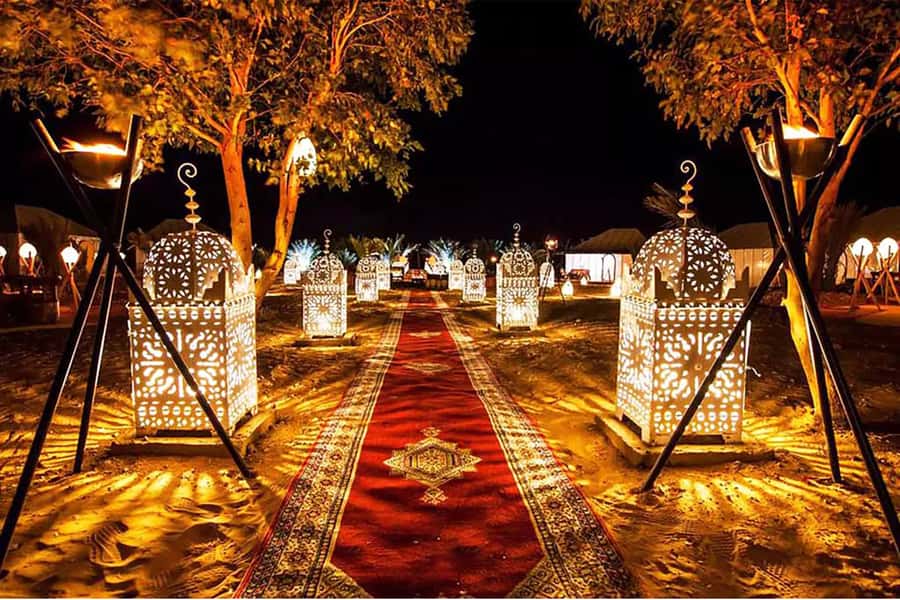
- Desert camp with dinner and live Berber music: you get the night atmosphere without planning anything.
- Todra Gorge canyon walk: time to stretch your legs in a dramatic river-cut gorge.
- Road of a Thousand Kasbahs + major viewpoints: lots of “this is Morocco” scenery between stops.
- Ait Ben Haddou UNESCO in daylight: easier to appreciate the mud-brick architecture than at night.
- Onboard WiFi and AC: helps when the distances between sights start to feel long.
Why This Fes to Marrakech Route Works in 3 Days
This is one of those rare tours that connects two big-name cities while still giving you the real star of Morocco: the Sahara. The secret sauce is pacing. You’re not stuck in a single place all day, and you’re not hopping so fast that you lose the meaning of each stop.
You’ll start in the Fez area, swing through the Middle Atlas and desert edge towns, then land at Merzouga for dune time. After that, you turn toward the south-central cinematic zone around Ouarzazate, hit Ait Ben Haddou, and cross the High Atlas into Marrakech. It’s efficient, but it still has breaks built in—so you’re not just bouncing down a highway nonstop.
Value-wise, you’re paying for two nights of included stays: one hotel/riad night plus one desert camp night. Add in AC transport, an English-speaking local guide, onboard WiFi, and multiple guided stops, and the price starts to feel more like a bundled road trip than a sightseeing ticket.
Day 1: From Fez Through Ifrane, Azrou, and Midelt to Merzouga Dunes
The day begins with pickup from select riads and hotels around Fez, with options also tied to nearby pickup points like Ifrane, Midelt, or even Merzouga depending on how the route is arranged. If your riad is deep in the medina and cars can’t reach it, you’ll be told to meet at the nearest car-accessible spot.
First big stop: Ifrane. You’ll see a town with an alpine look—cleaner streets, European-style architecture, and a general “cool mountain air” feel. It’s a great reset after Fez, and it gives you a first taste of how the weather will change as you climb.
Then: Azrou and the cedar forest. This is where you have a real shot at seeing Barbary monkeys. Expect a short pause for photos and walking time. Keep an eye on the ground and respect distance—monkeys are curious, and you don’t need trouble when you’re trying to enjoy the scenery.
Next: Midelt for lunch and a longer break. Midelt is a lunch stop that makes sense. You’re crossing rugged country, and this pause helps you avoid the kind of fatigue that makes desert arrival feel less magical.
Finally you descend toward Merzouga, with palm oases and viewpoints along the way. When you reach the dunes area, you’re welcomed with mint tea near a kasbah close to Erg Chebbi. That first warm drink matters. It’s an emotional cue: you’re not “on the way” anymore.
Sunset camel trek and camp dinner
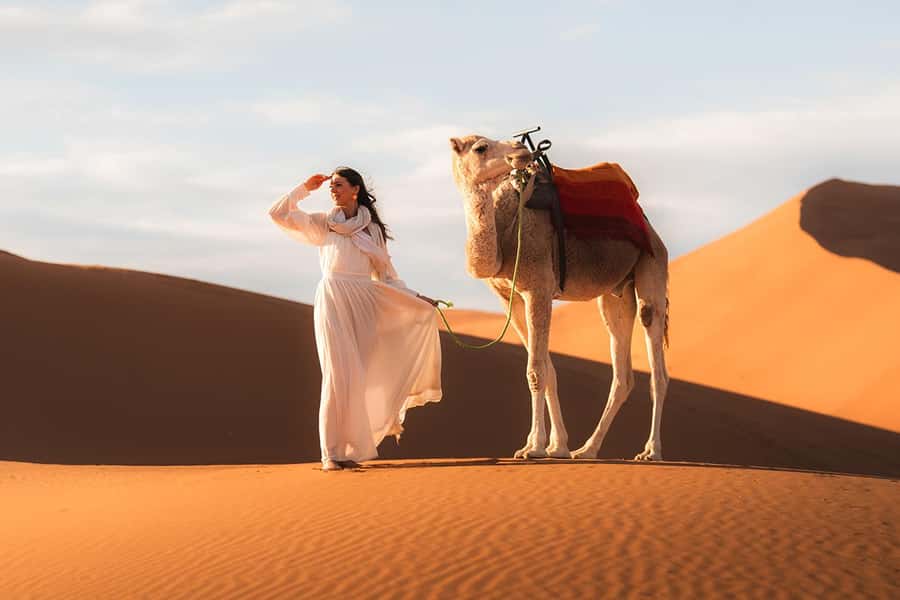
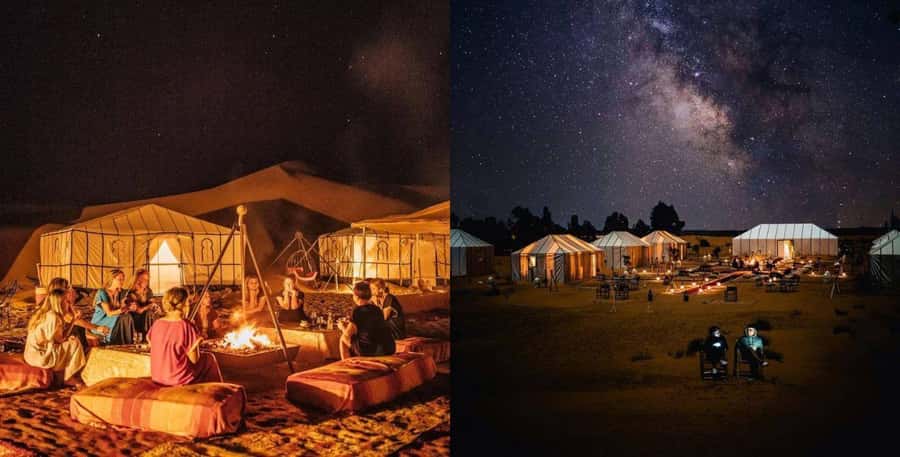
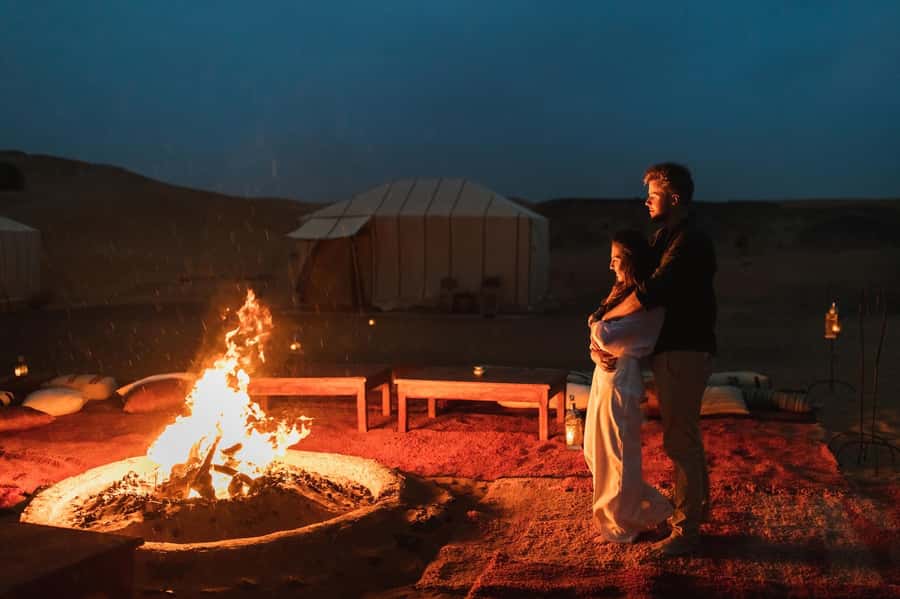
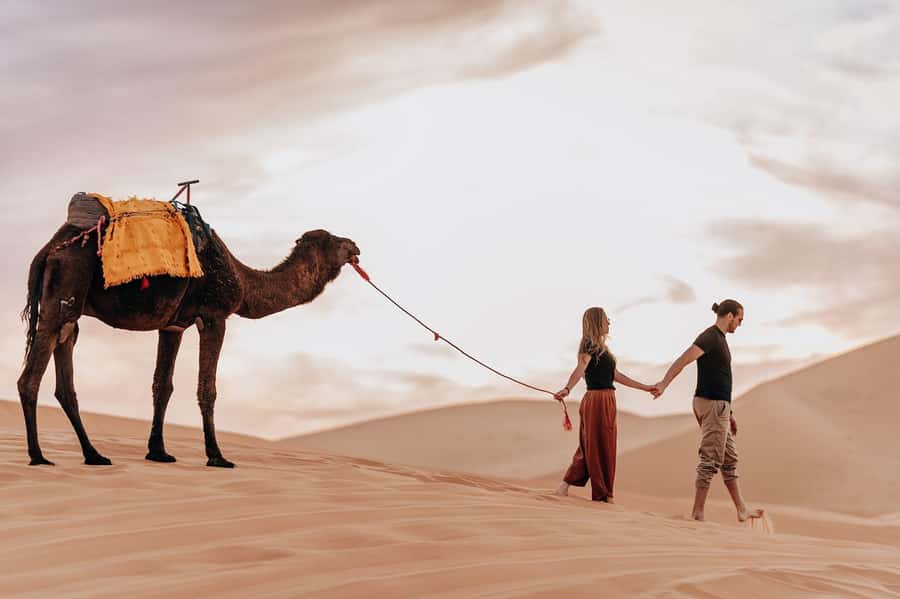
Your day’s peak comes after the light starts shifting. You’ll ride camels for a sunset trek across the dunes and then reach the desert camp. There’s time for camp activities, dinner around the camp setup, and live Berber music.
A small but useful detail: the camel ride may not always be mandatory. Some departures include the option to walk parts of the route instead of riding. If you’re thinking about animal welfare, or you just prefer your own pace, it’s worth asking your guide what walking options are available for your group.
Night in the desert isn’t just a photo moment. The camp setup is designed for comfort: in some bookings, people reported warm blankets and even tent comfort upgrades like private bathroom access, hot water, and heaters. Your exact setup can vary, but the expectation is clear—this is meant to feel like a real night, not a quick pit stop.
Desert Camp at Erg Chebbi: Sunrise, Sandboarding, and Optional Quad Thrills
Erg Chebbi is famous for a reason: the dunes change color fast, especially when you’re walking close to them. If you want the best photos, you need to be outside at the edges of daylight. That’s why sunrise and sunset are both built into the experience.
What you get beyond the bed
In Merzouga, you’ll also have built-in adventure time:
- Sandboarding on the dunes (included)
- A camel ride component (included as part of the desert experience)
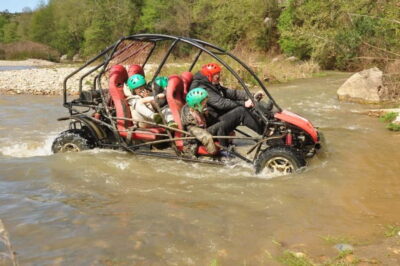
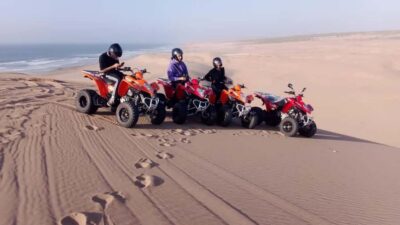
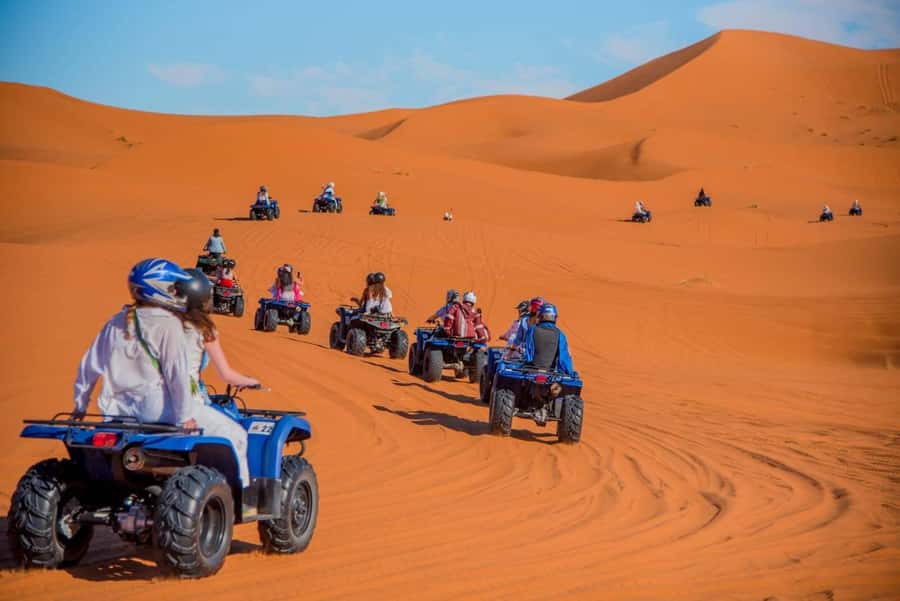
- And a quad bike ride option
That last part comes with a catch: quad bikes are listed as available to rent, not included in the base package. In practice, many people treat it as a pay-for-the-adrenaline add-on. It’s worth considering if you’re comfortable riding and you like fast, bumpy fun. If you’re more into slow desert walking and photos, you can skip it and enjoy the dunes at a calmer pace.
The starry night factor
This tour puts a lot of effort into your night sky time. Dinner is part of it, but the real win is what happens afterward: the quiet between activities. If the stars are a priority for you, this is the part of Morocco that can’t really be faked with a single viewpoint stop.
Weather matters here. You’re told to bring warm clothing, because desert nights can cool down even when daytime feels hot.
Day 2: Road of a Thousand Kasbahs, Rissani Stops, and Todra Gorge on Foot
After breakfast, you leave Merzouga and point toward Todra Gorge. On the way, you’ll pass through the kinds of roadside scenes that make Morocco feel cinematic: kasbahs, palm pockets, and long stretches where the road curves around rock.
A key stop: Rissani. This is a photo-and-quick-explore moment with time for a visit and shopping. It’s short by design, so don’t plan on turning it into a full market day. Treat it as a chance to see the area’s everyday vibe and pick up small souvenirs if you want.
Then comes the big drive: the Road of a Thousand Kasbahs. You’re traveling through mud-brick architecture lines and dramatic roadside fortresses. Even when you’re sitting in the vehicle, you’ll feel the geography shift—flatter, then rockier again, with villages appearing and disappearing like a recurring theme.
Todra Gorge: where the canyon walls steal the show
Todra Gorge is where your legs finally matter again. You’ll get time at Todra River with a guided tour component and free time for walking.
This is the kind of place where canyon walls rise dramatically above the riverbed. The most enjoyable part is the simple walk along the stream area. You don’t need to do anything extreme. You just need a little time to move at your own pace and let the scale hit you.
Dades Valley vibes and the overnight in Ouarzazate area
From Todra, you continue through the Dades Valley area—known for dramatic rock formations and that rocky stretch feeling you associate with the south. You’ll also have photo stops and short breaks.
Your second night is in the Ouarzazate area on the route plan, where dinner at your hotel/riad is included. Reviews often mention comfortable, well-organized hotel stays here, and it’s a good reset before you hit the UNESCO site and the High Atlas the next day.
Day 3: Ait Ben Haddou UNESCO, High Atlas Tizi n’Tichka, and Landing in Marrakech
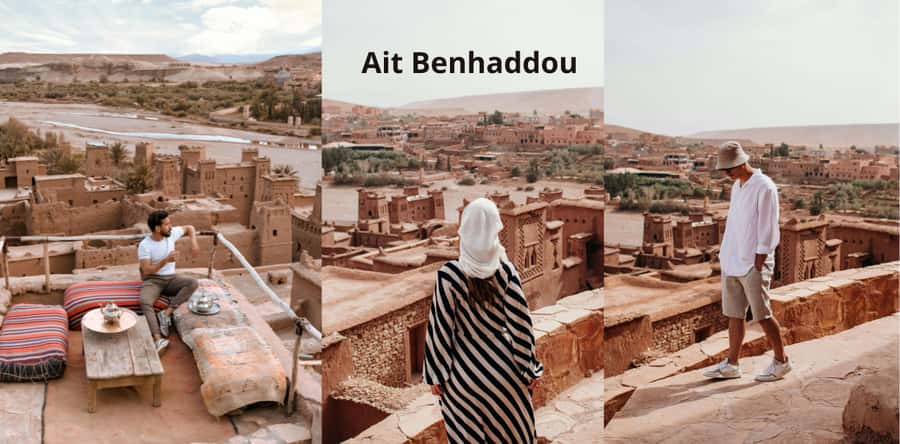
Day 3 runs on momentum. You start with breakfast, then head toward the Ait Ben Haddou area. Before that, there’s a stop option connected to Atlas Studios. Visit to Atlas Studios isn’t included in the standard price, so think of it as an optional add if you’re into film locations and studio-style tourism.
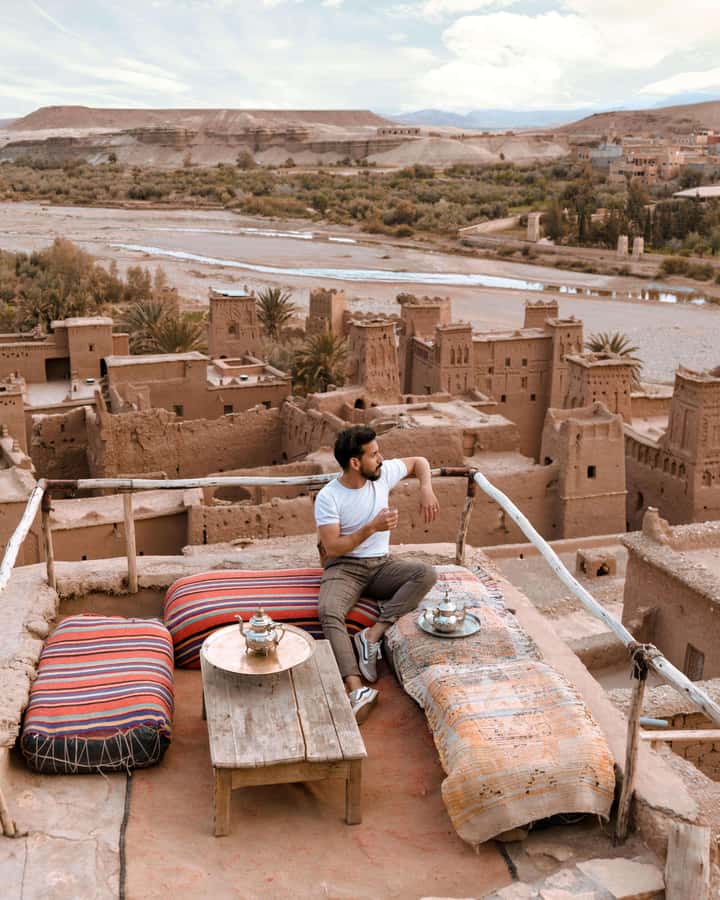
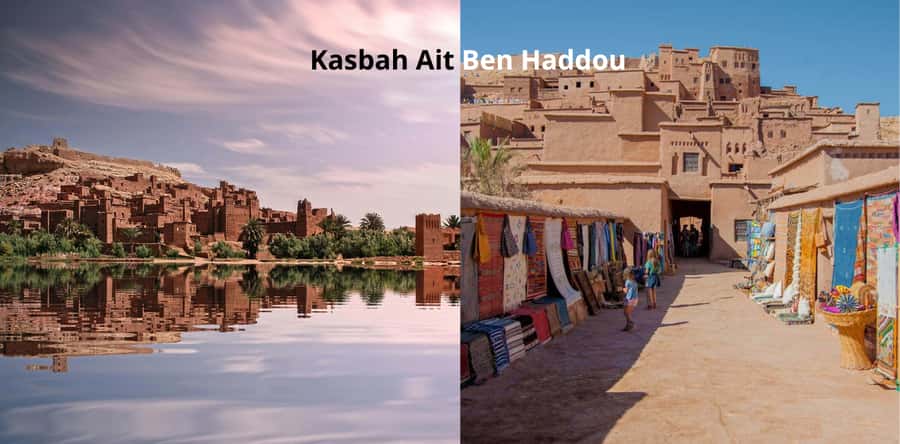
Then: Ait Ben Haddou. This UNESCO site hits different in daylight. The mud-brick architecture is easier to appreciate when you can walk the edges, notice layers, and see how the fortress shape controls the views.
You’ll typically have time for photos, a guided tour component, and free time. This is one of those places where you can connect the dots between real geography and movie magic. The site has appeared in films like Gladiator, Babel, and Lawrence of Arabia, and you’ll see why once you’re there.
Cross the High Atlas via Tizi n’Tichka Pass
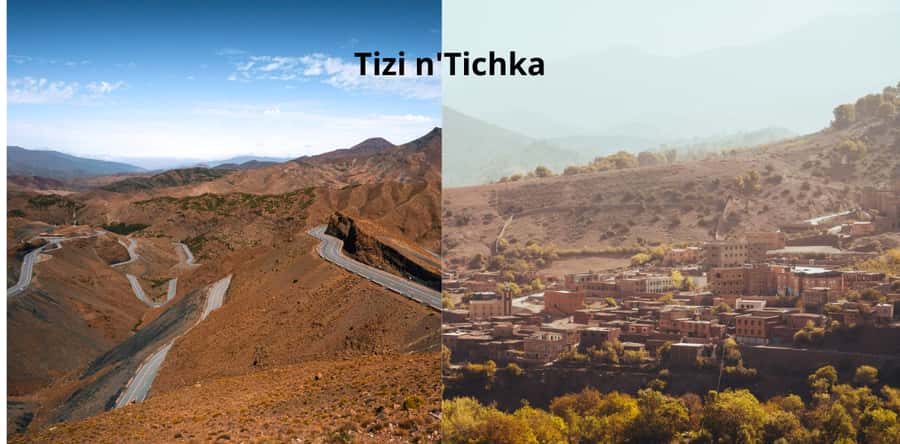
The final major driving moment is the Tizi n’Tichka Pass, described as the highest mountain road in North Africa. Even if you’re not a pass-and-view person, the road creates a strong sense of scale: villages dot the slopes, and the air feels different as you go higher.
You’ll get brief photo/sightseeing moments during the crossing. Then you continue down toward Marrakech, arriving in the evening with drop-off at your accommodation.
After 3 days of big scenery and big distances, Marrakech can feel like a reset. Don’t try to cram a complicated evening plan right away. Give yourself time to shower, recharge, and do a simple stroll.
Price and Logistics: What $182 Covers, What Costs Extra, and Why It Still Makes Sense
For $182 per person, you’re mostly paying for transportation, guides, and the included overnights. The list of included items matters because it reduces friction:
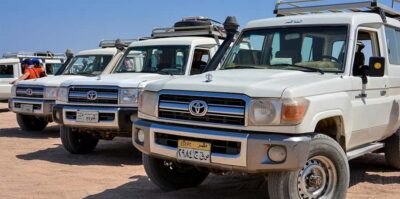
- Air-conditioned transportation and a professional driver
- Onboard WiFi
- English-speaking local guide
- 1 night in a hotel/riad
- 1 night in a desert camp under the stars
- 2 breakfasts
- 1 dinner in your hotel/riad
- 1 desert dinner with live Berber music
- Sunset camel ride and sandboarding
- Chance to try traditional Berber clothing
- Drop-off in Marrakech
Costs not included:
- Lunch (so bring snacks)
- Atlas Studios (not included)
- ATV quad and buggy (available to rent)
- A local guide in Ait Ben Haddou (available for €2 per person)
This is a fair setup if you want the Sahara plus major “wow” stops without the stress of organizing transport and lodging yourself. If you’re the type who hates set schedules and long drives, then any shared tour will feel like work. But if you want a structured route that still includes meaningful stops, this price-to-experience ratio is hard to beat.
Packing and Comfort Tips for Desert Temperature Swings
This tour is built for changing conditions. You’re specifically warned that days can be hot and nights cool in the desert, so pack like you’re dressing in layers.
Bring:
- Warm clothing for night and early morning
- Sunglasses and a sun hat
- Comfortable shoes (for Todra walking)
- A jacket even if you expect sun
- Sunscreen
- Sandals (handy at camp and breaks)
- Camera
One extra practical move: grab a few snacks before pickup. Lunch isn’t included, and break spacing can vary depending on the day. People also mention that the route is long, so having your own snacks helps you stay cheerful when the vehicle ride stretches.
How the Guide Makes or Breaks the Experience (and Which Names to Watch For)
On a trip like this, your guide is more than a narrator. The best ones keep you on time, handle weather changes, and make the stops feel organized instead of chaotic.
Names that show up with strong praise include Omar Faiz, Hesham, Mehdi, Fouad, Douzi, and Simo and Moha. You’ll see the same themes again and again: clear communication, safety-minded driving, and helpful problem-solving. One guide even coordinated solutions when someone in the group wasn’t feeling well, and that kind of attention really changes the trip feeling.
You can also learn a lot from how your guide talks about local life and avoids the tourist traps. One common tip: at souvenir stops, don’t let friendly sales energy bully you. Take your time, compare options, and be selective.
Should You Book This Fes to Marrakech Sahara Tour?
Book it if you want:
- A 3-day way to connect Fes and Marrakech with real Sahara time
- Included desert comfort, dinner, and music rather than a DIY camp hunt
- A route that hits Merzouga/Erg Chebbi, Todra Gorge, and Ait Ben Haddou without you coordinating transport
Skip it or consider a different style if:
- You hate long road days and want a slower pace
- You only want the desert and would rather spend more nights there with less driving
- You’re hoping for a fully free, unscheduled trip (this one is structured, and that’s the point)
If your dream is camel sunset, dune activities, and finishing in Marrakech feeling like you truly crossed Morocco—not just drove through—this is a strong bet for the price.
FAQ
How long is the Fes to Marrakech Sahara desert tour?
The duration is 3 days.
What is the pickup situation from Fez?
Pickup is included from select hotels and riads in Fez. If your riad is inside the Medina and cars can’t reach it, you’ll be picked up from the nearest car-accessible location.
Where are the available pickup locations?
Pickup options include Merzouga, Midelt, Fes, and Ifran.
Is transportation air-conditioned and is WiFi included?
Yes. You get air-conditioned transportation, plus onboard WiFi.
What language will the guide speak?
The guide is available in English, French, Spanish, and Arabic.
What meals are included?
You get 2 hearty breakfasts. You also get 1 authentic dinner in your hotel or riad, and 1 authentic dinner in the desert camp with live Berber music.
Is lunch included?
No. Lunch is not included.
Are sandboarding and camel rides included?
Yes. Sunset camel riding is included, and sandboarding is included.
Is quad biking included?
ATV quad and buggy rides are not included; they’re available to rent as an add-on.
Is Atlas Studios included?
No. Atlas Studios is listed as not included. A visit may still appear on the route plan, but you should expect it to require extra payment if you want to go.
What should I pack for the desert temperature changes?
Bring warm clothing, a jacket, sunglasses, a sun hat, comfortable shoes, sunscreen, and a camera. Desert days can be hot and nights can be cool.