REVIEW · MARRAKESH
3D Deluxe Experience: Marrakech to Merzouga w/ Quad Option
Book on GetYourGuide →Operated by Discover Sahara Tours LLC · Bookable on GetYourGuide
Golden dunes start 300 km from chaos. This 3-day run from Marrakech to Merzouga strings together High Atlas mountain drama, a UNESCO set piece at Ait Ben Haddou, and an overnight stay by the dunes with camel rides at sunset and sunrise.
I especially like how the timing fits together: you get big sights during the day, then shift into quiet desert mode at night. I also like the mix of culture and adventure, from the Todra area walk (with traditional craft stops) to the Berber camp experience, where guides like Omar, Addi, Said, and Younes have been praised for keeping the ride fun and the explanations clear.
One heads-up: if you choose the shared desert camp, expect a busier camp setup. Some travelers note basic, shared shower/toilet facilities and that the tents won’t have AC, which is normal for the setting but worth planning for.
In This Review
- Key highlights that make this tour feel worth it
- Marrakech to Merzouga in three days: how the pace really feels
- High Atlas pass and Ait Ben Haddou: why this UNESCO stop lands
- Skoura and Rose Valley stops: small pauses with real character
- Todra Gorge and the canyon walk: where the day feels slow in the best way
- Erfoud fossils and the desert approach: the road to Merzouga
- Erg Chebbi camel rides and the Berber camp night: the real reason to go
- Included meals, WiFi, and comfort upgrades that actually matter
- Quad option in the dunes: when it’s worth paying extra
- Price and value at about $125 per person
- Who this tour suits best (and who should reconsider)
- Should you book Discover Sahara Tours LLC’s 3D Deluxe Marrakech to Merzouga?
- FAQ
- What is included in the price?
- Are lunches included?
- Is there a quad/ATV option?
- What kind of accommodation do I get on the desert night?
- Is Ait Ben Haddou guided on shared bookings?
- What should I bring?
- Can I cancel or pay later?
Key highlights that make this tour feel worth it
- Sunrise and sunset camel rides across Erg Chebbi sand, not just one quick photo stop
- Ait Ben Haddou UNESCO stop built into the High Atlas drive (and often the most film-famous moment)
- Todra Gorge on foot, plus time to see canyon views without rushing through
- Merzouga desert camp night with Berber music and chances to try henna and traditional clothing
- Sandboarding and luggage service, so you don’t have to haul gear across the sand
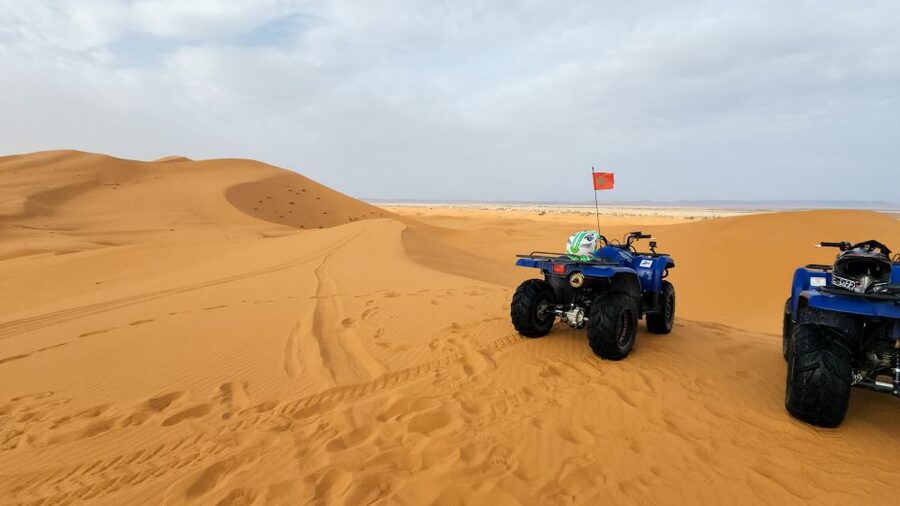
- Quad add-on in the dunes if you want a louder kind of adventure
Marrakech to Merzouga in three days: how the pace really feels
This is a “see a lot, sleep in the desert” kind of route. You’ll move on most of the days, but you’re not doing uncomfortable, nonstop driving. The trip uses air-conditioned transportation and includes hotel or riad pickup and drop-off, which matters in Morocco when taxis and schedules can get messy fast.
On the first travel stretch, the ride over the High Atlas comes with a proper viewing rhythm—enough stops to stretch your legs, photograph, and take in mountain villages and kasbah country. You’ll finish that day with dinner and a night in the Dades/Tinghir area. The second day is a longer day of canyon and desert approach: Todra Gorge, Erfoud, then onward to Merzouga before sunset so you can hit the dunes at the right time. The final day starts early enough for morning camel riding back toward Merzouga, then it’s a long drive back to Marrakech for an evening arrival.
If you dislike early mornings, this tour may still work, but mentally prepare for wake-up calls before you’d normally choose to. The payoff is that you get the key light moments—golden hour on the sand and morning on the way out.
High Atlas pass and Ait Ben Haddou: why this UNESCO stop lands
Ait Ben Haddou is the kind of place you recognize even before you understand it. You drive into the area after crossing the High Atlas and Tizi n Tichka Pass, then you get time to see the kasbah and surrounding scenery. Even if you’re not into architecture, it’s one of those spots where you can feel why filmmakers keep returning.
In practice, this stop is valuable for two reasons. First, it breaks up the driving with a major cultural landmark. Second, it puts the whole route into context: Morocco here isn’t just desert. It’s kasbahs, caravan-era history, and mountain trade routes—and Ait Ben Haddou is one of the clearest “book covers” for that story.
A possible snag: the Ait Ben Haddou experience can feel a bit rushed because time is limited for the broader itinerary. If you want extra time there, consider joining a local guide option if you’re on a shared booking (a group guide is available for around €2 per person). On private tours, a licensed guide in Ait Ben Haddou is included, which usually helps if you prefer a slower, more detailed visit.
Also note the tour languages: you may get explanations in Spanish, English, or French, depending on your group.
Skoura and Rose Valley stops: small pauses with real character
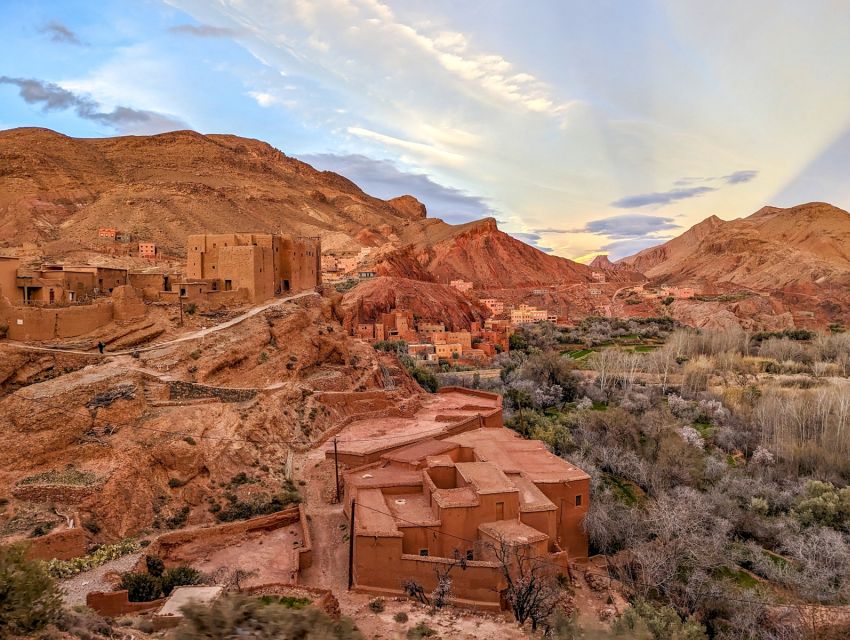
Between Marrakech and the canyon/valley region, the route includes stops that are easy to overlook if you’re only chasing “big ticket” moments. You pass through Skoura palm grove and then up toward Rose Valley—timing matters here. In mid spring, roses are in bloom, and that seasonal detail changes the mood of the drive.
Why I like these smaller stops: they give your eyes a break from “endless road scenery.” You see cultivated spaces and kasbahs framed by groves and valley edges, which makes the next days’ desert feel more dramatic by comparison. This also helps you understand the geography Morocco uses to build its life—water, palms, and human-made shelter in an otherwise harsh environment.
If you’re the type who enjoys wandering for 10–20 minutes instead of sprinting from one viewpoint to the next, these are the moments you’ll appreciate more than you expect.
Todra Gorge and the canyon walk: where the day feels slow in the best way
The Todra Gorge day is one of the most satisfying parts of the whole trip. You get canyon views that look like they were engineered by time and water—steep rock walls, narrow passages, and a sense of depth that photographs well but still feels bigger in person.
The tour includes a walking segment through the Todra area. It’s not only about staring at cliffs. You’ll also see natural scenery and traditional handmade crafts (including handmade carpets). That’s useful because it gives you a reason to stop beyond taking pictures. You can watch how craft traditions connect to daily life, not just to souvenir sales.
There are two practical notes to keep in mind. Wear comfortable shoes. The walking portion is not described as a marathon, but canyon areas usually mean uneven ground. Also, expect a “scenery first, shopping optional” vibe. If you want to skip carpet browsing, you can. Just don’t assume the pace will turn into a long free-form hike—this is still a structured tour.
Erfoud fossils and the desert approach: the road to Merzouga
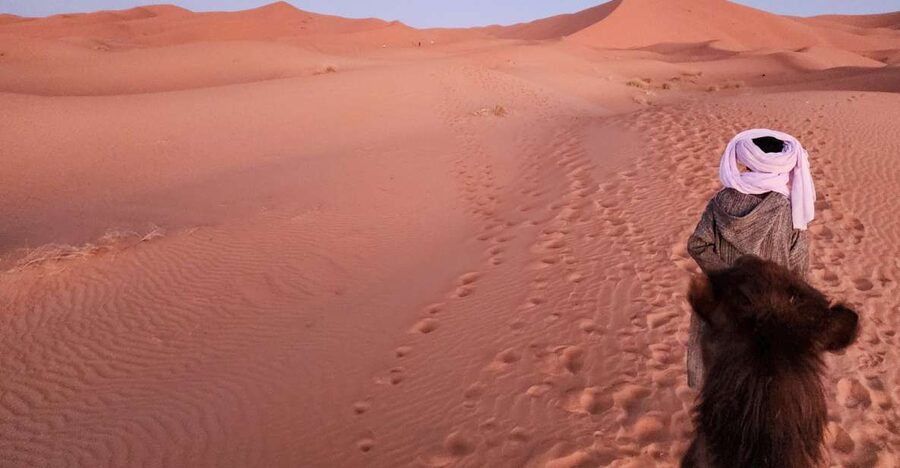
On the way to Merzouga, the route passes through places that add texture. Erfoud is specifically known for fossils, so the day includes a stop in that area before you push deeper toward the Erg Chebbi dunes. Even if you don’t do a long museum-style visit, knowing the region has a fossil identity helps you look at the desert differently. It’s not only sand and silence; it’s also geology and time.
You’ll also pass through Tinjdad on the way toward the dunes. The practical impact is that your day becomes “driving with occasional moments,” not one long stretch of staring out the window. The goal is to arrive in Merzouga in time for sunset, so you can keep the camel ride experience tied to the light.
This is also when you’ll feel the temperature shift. Before you know it, the air changes from valley heat to desert dry warmth. Pack for that: sunscreen matters more than you think, even if the morning started cool.
Erg Chebbi camel rides and the Berber camp night: the real reason to go
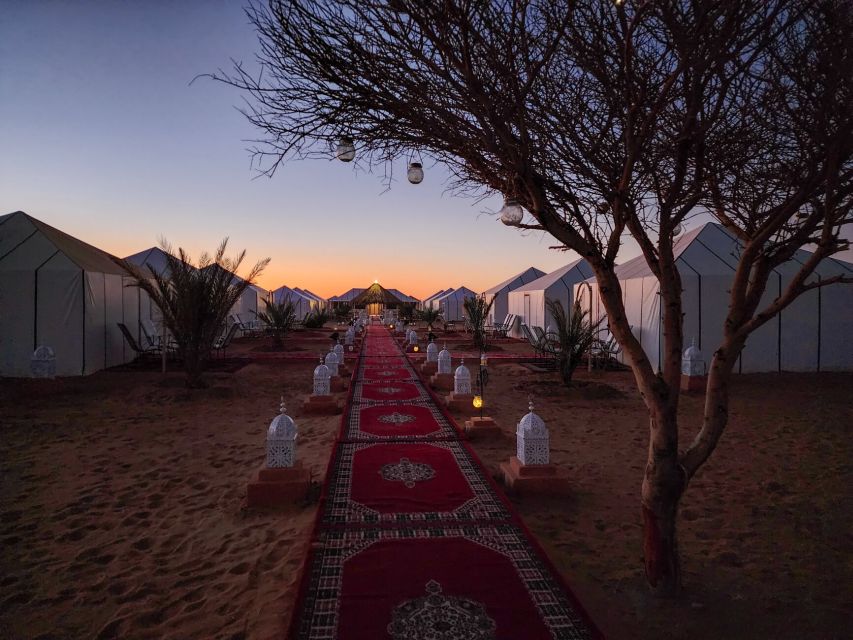
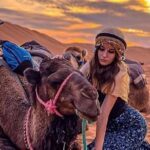
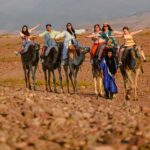
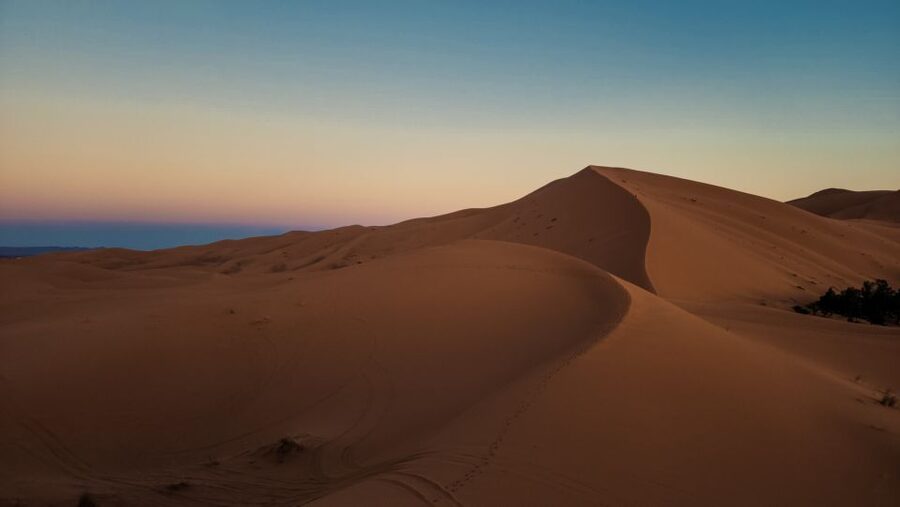
Erg Chebbi is the heart of this whole trip, and the tour builds around that with sunset and sunrise camel rides. Most packages give you one ride. This one schedules two, which means you see the dunes at two different moods: golden and dramatic at sunset, calmer and softer at sunrise.
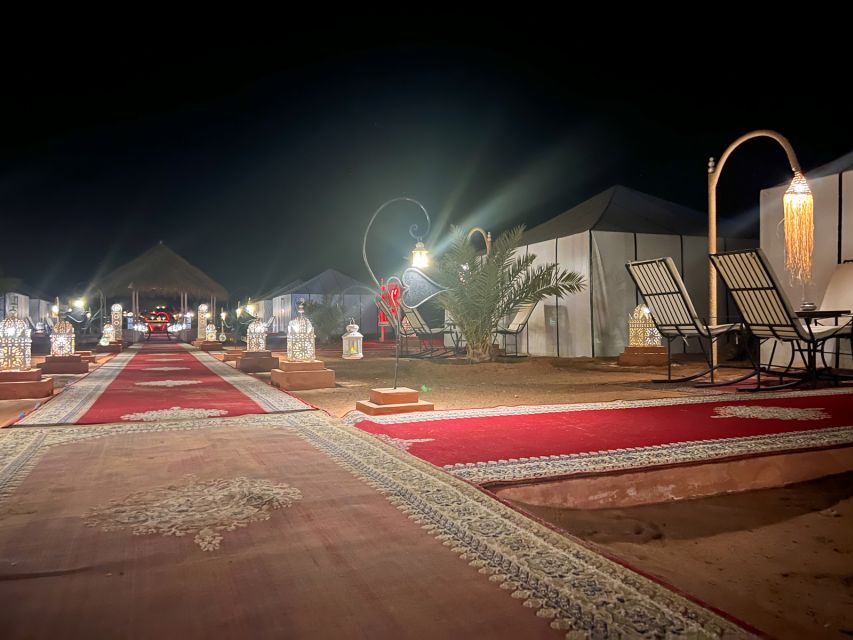
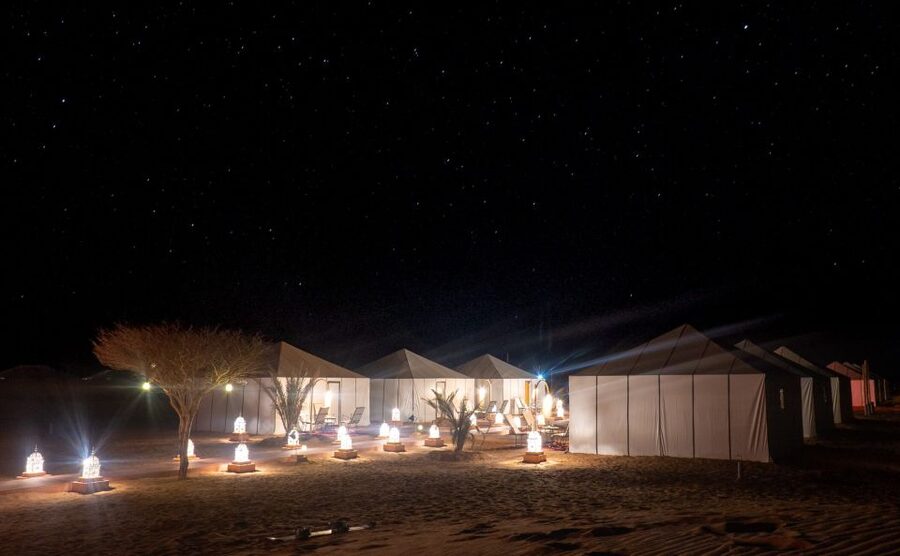
At camp, you stay overnight at a desert camp in Erg Chebbi. You choose between a standard camp option (Global Desert Camp or similar) and a luxury camp option. The material difference you’ll feel most is comfort level, and how “organized” the camp feels when it’s hosting multiple groups.
The included camp experience is more than a bed in the sand. You get sandboarding, a Berber music show at night, plus opportunities to try on traditional Berber clothing and apply henna. That’s a nice balance: you get action during the day and a cultural evening moment afterward.
Two practical comfort realities:
- Shared camp facilities can be basic. Some travelers describe mixed shared showers/toilets as a bit chaotic, especially in shared setups. They also note they were kept clean, just not glamorous.
- The desert tents won’t feel like a hotel room. If you’re expecting AC, you’ll be disappointed. The best move is to dress in layers and plan around cooler nighttime temps.
If you’re the type who loves stargazing, you’ll likely remember the night sky more than any single photo. After dinner and music, it’s easy to step outside and just watch the dunes hold the darkness.
Included meals, WiFi, and comfort upgrades that actually matter
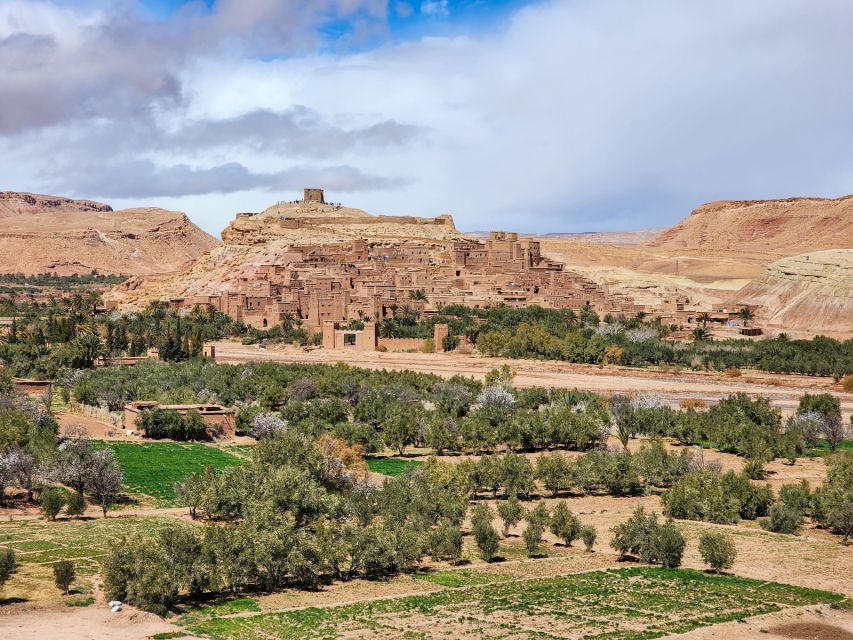
This tour includes 2 breakfasts and 2 dinners, and it includes hotel/riad pickup and drop-off. You also get WiFi, which is a small perk that can make the long travel days feel more manageable. There’s also a swimming pool at the first-night accommodation, which is a comfort upgrade after driving and mountain stops.
Meals are generally handled for you, but lunches are not included, and drinks are not included either. One traveler noted lunch stops with buffet options around 120MAD, so if you like eating away from set places—or you have a tight budget—plan on adding lunch cost.
What you can do: carry some cash for lunches and water, especially because desert days turn dehydration into a bigger issue faster than you expect. Sunscreen is also not optional. The sun can feel relentless, even when you think the day will be mild.
On shared camp nights, showers and toilets are shared. On the first night, you’re in an air-conditioned room/suite with a private bathroom. That split is useful. It lets you be comfortable before the desert, then “embrace the basic” once you get to the dunes.
Quad option in the dunes: when it’s worth paying extra
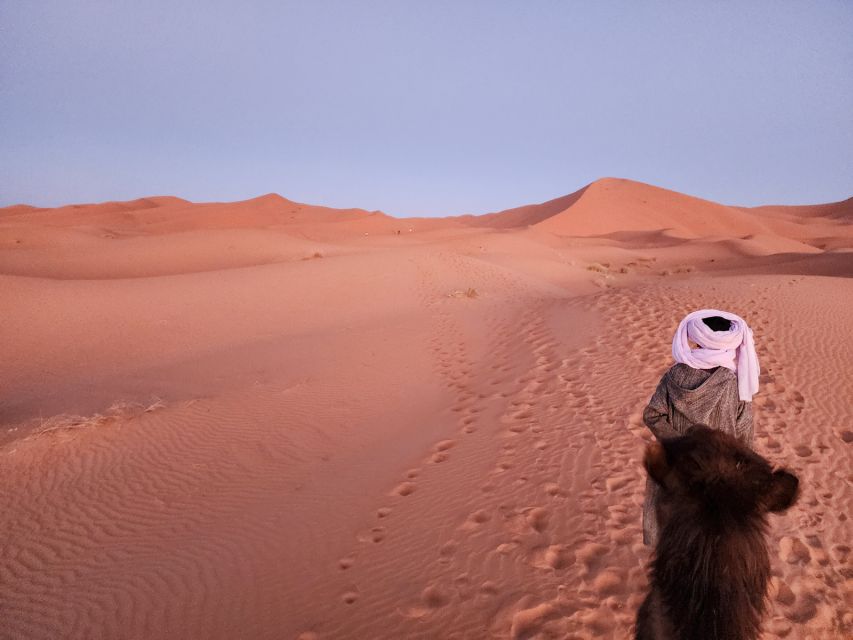
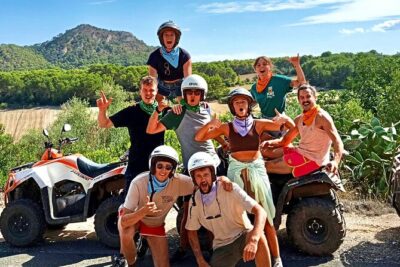
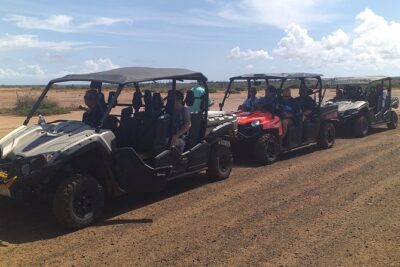
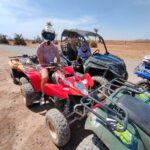
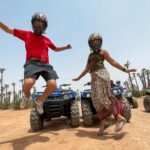
If you want an adrenaline boost beyond camel rides and sandboarding, the camp offers an ATV quad option. The rental is listed as €50 for a single rider and €60 for a double rider for one hour driving in the Sahara dunes.
So is it worth it? Here’s my practical take. If you already feel satisfied by camel ride + sunset + sandboarding, you can skip it and spend that money on extra drinks or a better lunch. But if you know you’ll want one big “wilder” moment, the quad hour can add variety without replacing the main experience.
There’s also mention of an option to return the next morning by ATVs for an extra cost. That can appeal if you don’t love camel rides twice. Just remember: camel riding is part of why the desert feels different. Swapping it fully changes the vibe from slow and ceremonial to fast and noisy.
Price and value at about $125 per person
At $125 per person, the value comes from what’s bundled, not just the price tag. You’re paying for:
- Air-conditioned transportation plus a driver-guide
- Pickup/drop-off from your Marrakech lodging
- One night in an air-conditioned room with private bathroom
- One night at a desert camp in Erg Chebbi
- Camel rides at sunset and sunrise (and the sandboarding)
- 2 dinners and 2 breakfasts
- Luggage service via 4×4 to and from camp (so you don’t carry everything across sand)
- Berber music show plus henna/clothing experiences
That’s a lot of logistics handled for you. If you tried to piece this trip together on your own, you’d spend time negotiating transport, timing, and camp coordination—and you’d still likely end up paying similarly once you add camel rides and overnight logistics.
One thing to factor: the shared tour model. Shared means you might be with several groups at the camp, which can create more noise and more shared-bathroom moments. Private options exist, with added inclusions like a licensed guide at Ait Ben Haddou and lunch each day, plus vegetarian options. If that sounds better, it’s worth considering for your own comfort and pacing preferences.
Who this tour suits best (and who should reconsider)
This tour fits best if you want a classic Morocco “big sweep” with minimal planning. You get mountains, kasbah culture, canyon scenery, desert dunes, camel rides, and a camp night, all in one package.
You’ll enjoy it most if:
- You’re okay with a busy schedule and early starts
- You want organized comfort on the travel legs (AC transport, meals handled)
- You like a mix of culture and outdoor time
- You’re open to shared camp facilities in exchange for the unique desert overnight
Consider a different style of trip if you strongly prefer private camp setup, you hate basic shared bathrooms, or you want a slower visit at Ait Ben Haddou. Also, if you’re very budget-sensitive, remember lunches and drinks are not included.
Finally, if you might extend your trip beyond Marrakech: there’s an option to end in Fes rather than Marrakech for an extra €40 cash, which can help if you’re linking the Sahara with more time in northern Morocco.
Should you book Discover Sahara Tours LLC’s 3D Deluxe Marrakech to Merzouga?
If your goal is to check off the true desert experience—Erg Chebbi dunes, camel rides at sunset and sunrise, and one full night in a Berber camp—this tour is a solid match. The best part is that it’s not just “a ride to the sand.” You get the surrounding Morocco context too: High Atlas passes, Ait Ben Haddou, Todra Gorge, and the way the road funnels you toward Merzouga.
I’d book it when you want value and you can tolerate a shared camp setup. I would think twice if you’re expecting hotel-level camp comfort or you need long, unhurried time inside Ait Ben Haddou. In that case, a private variation may suit you better.
FAQ
What is included in the price?
The tour includes hotel or riad pickup and drop-off, air-conditioned transportation, a driver-guide, WiFi, one night in an air-conditioned room with a private bathroom, and one night at an Erg Chebbi desert camp. It also includes 2 breakfasts and 2 dinners, walking in the Todra valley area, camel rides at sunrise and sunset, sandboarding, luggage service by 4×4 to and from the camp, a Berber music show, and chances to try Berber clothing and henna.
Are lunches included?
No. Lunches are not included. Drinks or beverages are also not included.
Is there a quad/ATV option?
Yes. ATV quad rental is available at the camp for €50 for a single rider and €60 for a double rider, for one hour of driving in the dunes.
What kind of accommodation do I get on the desert night?
You stay one night at an Erg Chebbi desert camp. The tour offers standard and luxury camp options, depending on what you select.
Is Ait Ben Haddou guided on shared bookings?
For shared bookings, the guide in Ait Ben Haddou is not included. You can join a group tour on your own for around €2 per person.
What should I bring?
Bring comfortable shoes, sunscreen, and comfortable clothes.
Can I cancel or pay later?
You can reserve and pay later. Cancellation is free up to 24 hours in advance for a full refund.